
Table Of Content
- The Outside of a Book: All the Physical Parts Explained
- Front Matter: What Comes Before the Main Story
- Book Body Structure & Chapter Organization
- Back Matter: What Comes After the Story Ends
- Fiction vs. Non-Fiction: How Book Parts Change by Genre
- Why Every Part of a Book Matters (And What It Tells Your Reader)
- Frequently Asked Questions About Book Parts
- Final Thoughts: From Cover to Completion
Introduction
Ever picked up a book and wondered what all those extra pages are for? From the shiny cover to the final “About the Author” section, every part of a book serves a purpose and knowing what they are can completely change how you write, read, or even judge a book by its cover.
Whether you’re a curious reader, a first-time writer, or just someone who googled “what are the parts of a book?” this guide is for you.
We’ll break down all the book parts of, from the physical elements you can touch to the hidden gems inside like the dedication, preface, epilogue, and that mysterious ISBN number. You’ll learn what they mean, where they belong, and why each part plays a crucial role in the overall reading (or writing) experience.
Let’s open the cover and dive in, here’s everything you need to know about the parts of a book.
The Outside of a Book: All the Physical Parts Explained
Before a single page is read, a book is already making an impression. Its physical parts, from the bold front cover to the quiet barcode tucked in the back, all play a role in shaping your expectations. Whether you’re a writer designing your book or a reader browsing a shelf, knowing the outside elements of a book helps you understand how presentation affects perception.
The colors, layout, textures, and wording all tell a story before the actual story even begins. And in the publishing world, first impressions aren’t just important, they’re everything.
So, let’s start with the exterior anatomy of a book, broken down part by part. You’ll learn what each feature does, why it matters, and how it contributes to the overall design and experience.
1. Front Cover
The front cover is your book’s handshake. It features the title, subtitle, and author’s name, all styled in a way that reflects the book’s genre and mood. A compelling cover draws readers in within seconds, making them curious enough to flip it over or open it up. Whether minimalist or highly detailed, the front cover is a silent invitation: “This is what you’re about to step into.”
2. Title and Subtitle
Your title is the hook, the name that sparks curiosity, emotion, or urgency. The subtitle (if used) adds context or clarity, especially in non-fiction. Together, they help readers instantly understand what the book is about and for whom. A good combo is short, punchy, and clear. Think: “Atomic Habits: An Easy & Proven Way to Build Good Habits & Break Bad Ones.”
3. Author Name
The author’s name is a key visual element, often placed prominently at the top or bottom of the front cover and along the spine. It offers recognition, builds connection, and gives credit where it’s due. For returning readers, it’s a familiar face; for new ones, it signals ownership and identity. A well-placed name adds balance to the design and strengthens your author brand.
4. Book Spine
The spine is what readers see first on a shelf, especially in bookstores and libraries. It usually features the title, author name, and sometimes a publisher logo, all stacked vertically. A clear, readable spine helps your book stand out when sandwiched between others. It also contributes to the book’s overall balance and durability, especially in print. Think of it as the silent ambassador of your book.
5. ISBN and Barcode
It might not be the sexiest part of the book, but the ISBN is what makes your book official. It’s your book’s fingerprint, a unique number that lets bookstores, libraries, and online retailers find and track it. Right beside it, the barcode turns that number into a quick scan. Small in size, huge in importance, no legit book hits the shelves without it.
6. Back Cover Summary (Blurb)
This is your book’s second chance to win the reader over and it matters. The back cover blurb gives a short, punchy peek into what’s inside. Think of it like a movie trailer in words. It teases the plot, the tone, or the promise of what’s to come. Whether dramatic, witty, or mysterious, a strong blurb says: “Trust me, you want to open this.”
7. Author Photo & Bio
This is where readers meet you. The author bio gives a face and a voice to the name on the cover. Usually placed on the back or inside flap, it’s short and personal, a few lines about your background, passions, or what inspired the book. Paired with a professional photo, it builds connection and trust. Readers don’t just read books, they follow people.
8. Publisher Logo
If your book is published through a traditional or hybrid press, you’ll usually find the publisher’s logo on the spine or back cover. It’s a small but mighty symbol, representing the team behind the scenes who brought your book to life. For readers, it can signal quality or credibility. For indie authors, this spot might feature your own brand or imprint instead.
9. Dust Jacket (Optional)
Found on most hardcovers, the dust jacket is a removable cover that wraps around the book like a stylish coat. It holds the front and back designs, plus inner flaps that often include the blurb, author bio, or early praise. While not essential, it adds polish and shelf appeal and gives the book an extra layer of protection and personality.

Front Matter: What Comes Before the Main Story
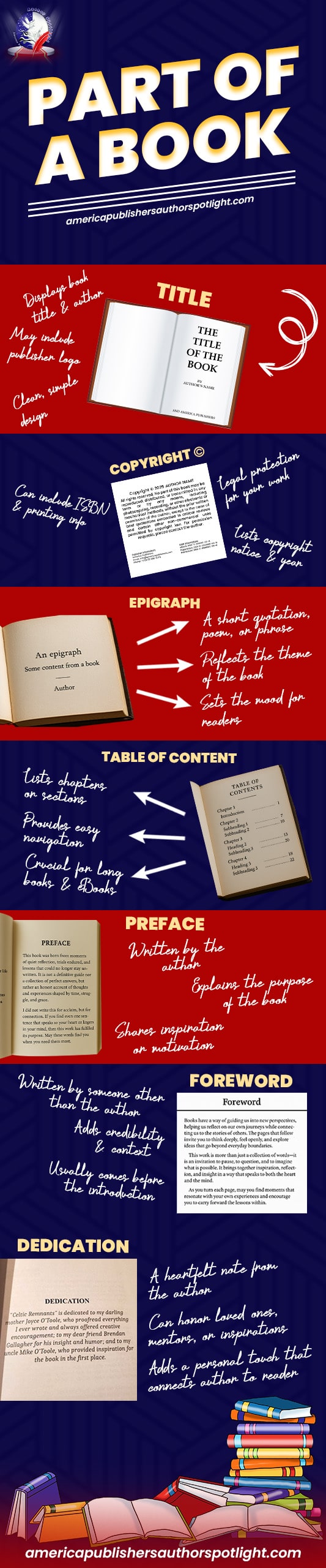
Before the first chapter even whispers a word, the front matter sets the tone. These are the first pages inside a book, the ones that tell you who wrote it, why it exists, and how it’s structured. You might not notice them at first glance, but for writers and editors, this is the blueprint of professionalism. For readers? It’s the invitation, the vibe, the heartbeat that leads you in.
Whether you’re writing fiction or nonfiction, this section holds space for formal pages like the title, copyright, and table of contents, along with more personal touches like a dedication or epigraph. It’s the book quietly saying: “Let me properly introduce myself.”
Let’s break down each part and for the major ones, we’ll even show you examples of how they look.
1. Title Page
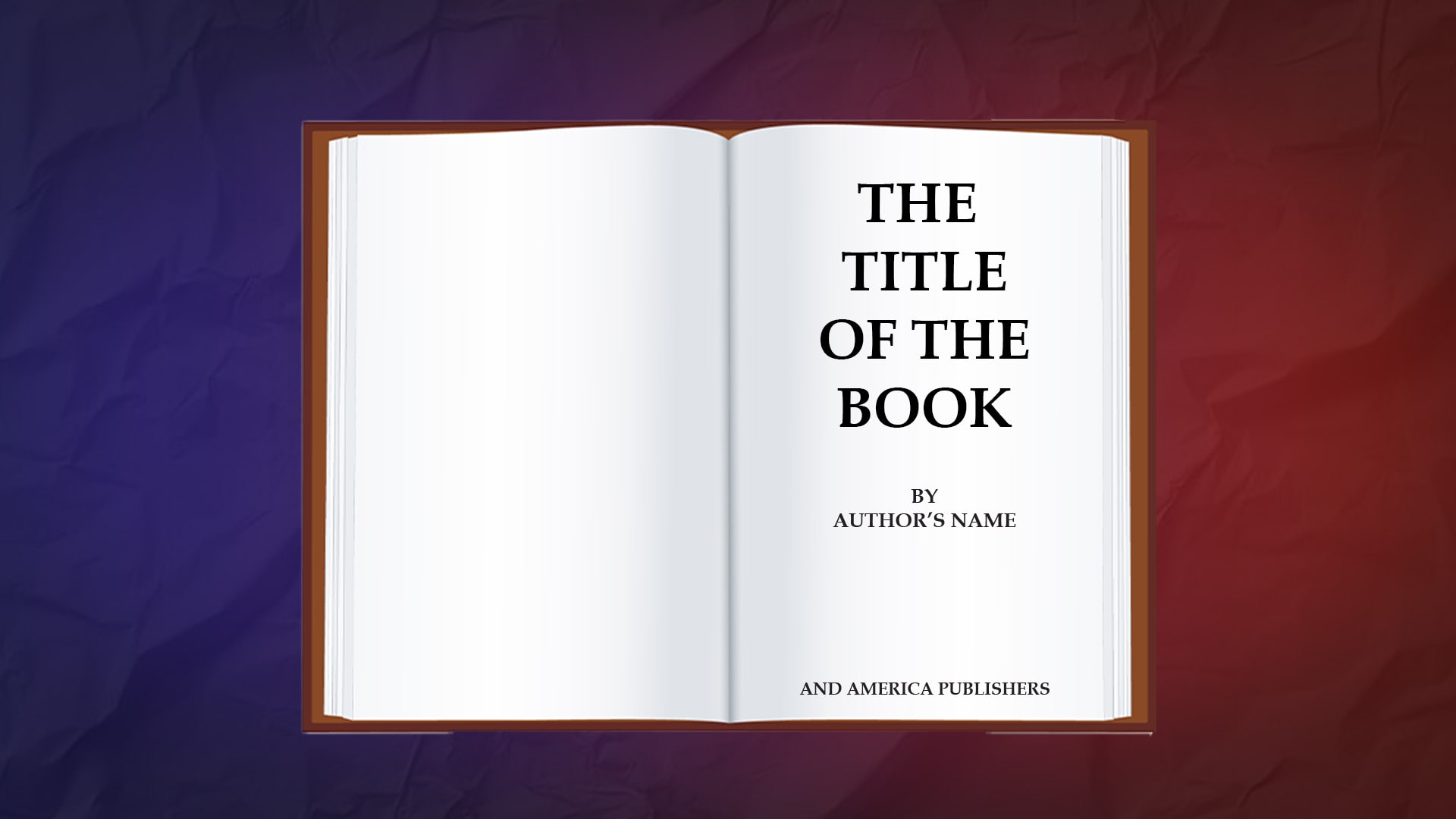
Simple but essential, the title page is usually the first printed page you see. It includes the book title, subtitle (if there is one), author’s name, and sometimes the publisher’s name or logo. Think of it as the book’s formal introduction, clean, centered, and uncluttered. No blurbs, no extras, just your book saying, “Hi, I’m ready to begin.”

2. Copyright Page
This quiet little page does all the heavy lifting behind the scenes. The copyright page includes the year of publication, the author’s name (as copyright holder), the ISBN, edition info, and often a short legal disclaimer. It might also list design credits or printing location. For indie authors, it’s your official claim of ownership because your words deserve protection.
3. Dedication Page
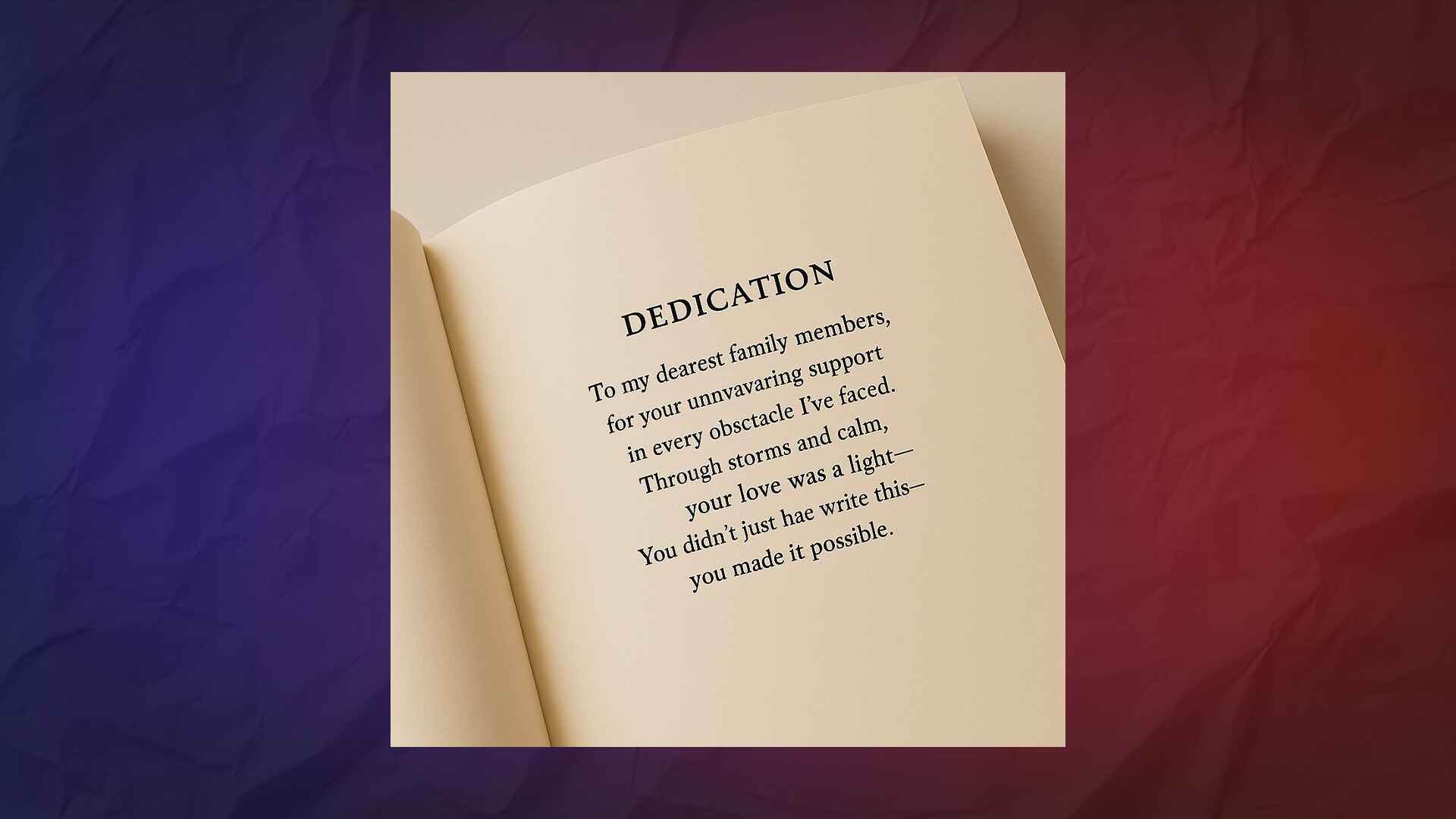
Short, sweet, and straight from the heart, the dedication page is where authors honor someone meaningful. It’s often just one line or a short paragraph, placed on a page by itself. Whether it’s “To my mother, who never let me quit,” or simply “For You,” it sets a quiet emotional tone. This isn’t about story, it’s about soul.
4. Epigraph
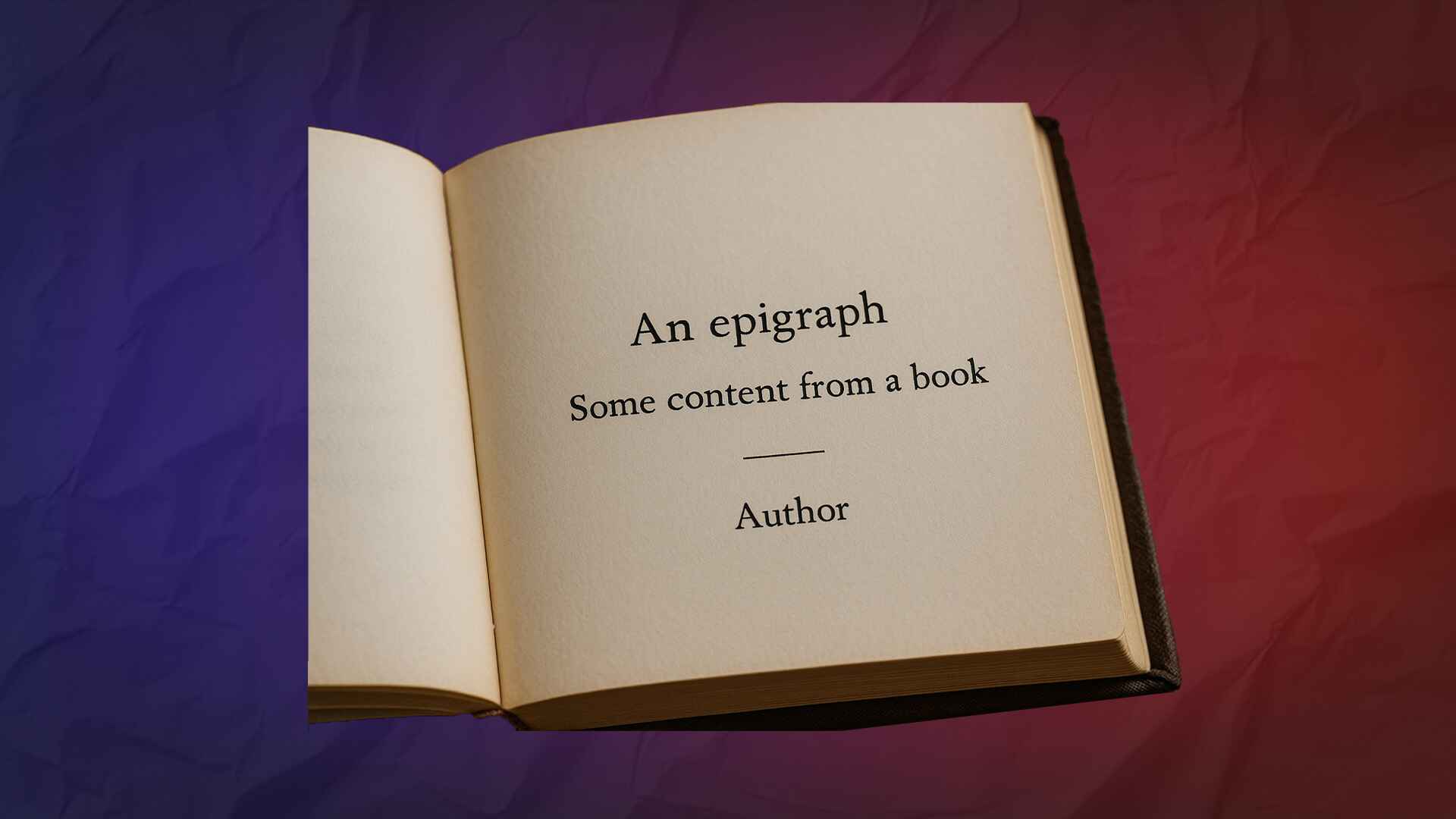
The epigraph is a short quote, poem, or excerpt placed near the start of the book, usually on its own page. It isn’t required, but when used well, it sets the mood, hints at the theme, or foreshadows what’s to come. Fiction and memoirs often use epigraphs to make readers pause and feel something before the story begins.
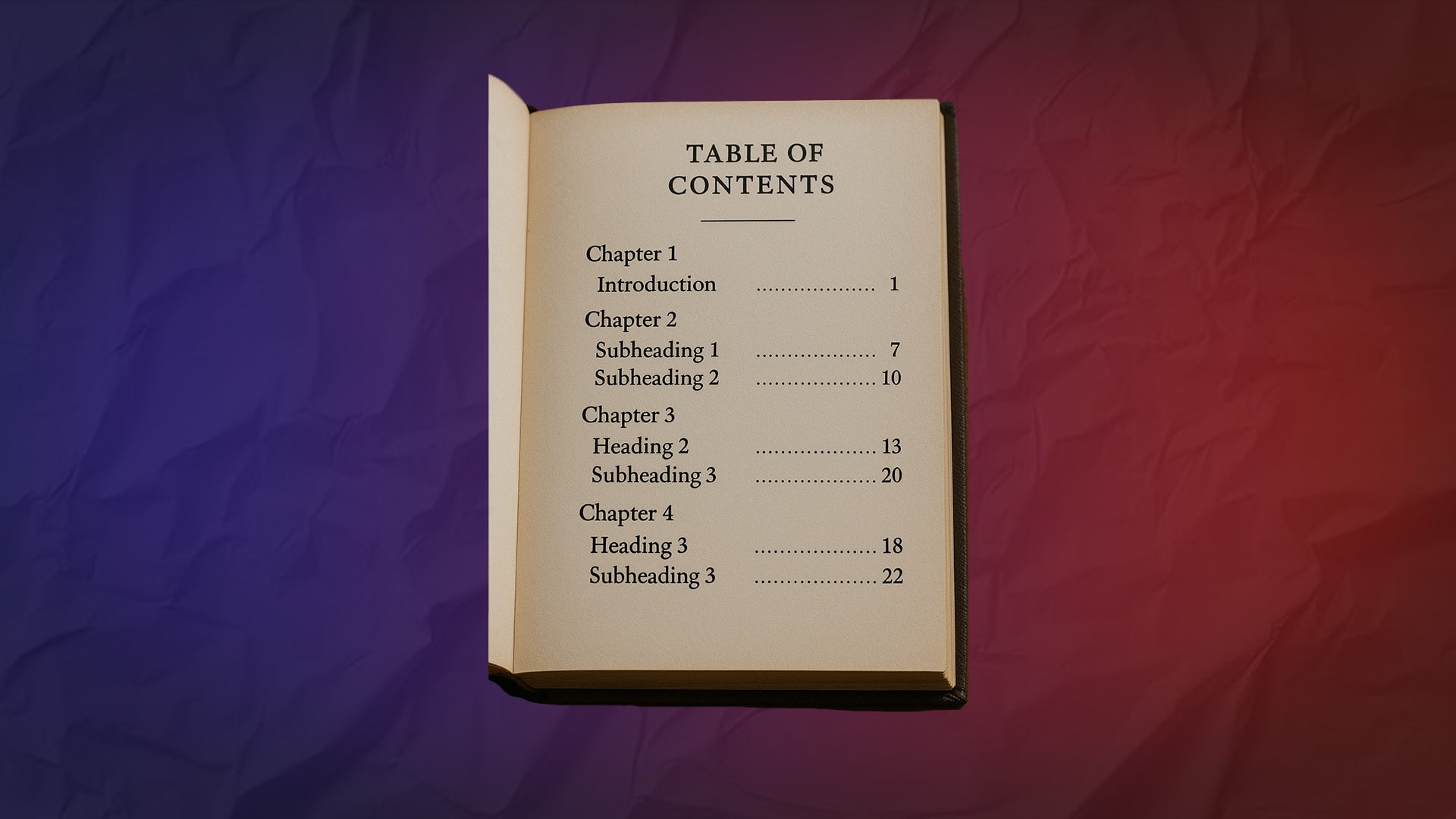
5. Table of Contents
The Table of Contents is your roadmap. It lists all the major sections or chapters in the book, usually in order of appearance with page numbers. It’s most common in nonfiction, anthologies, and textbooks but fiction books sometimes include one too. For readers, it’s a preview of the journey. For writers, it’s proof that every part has a place.
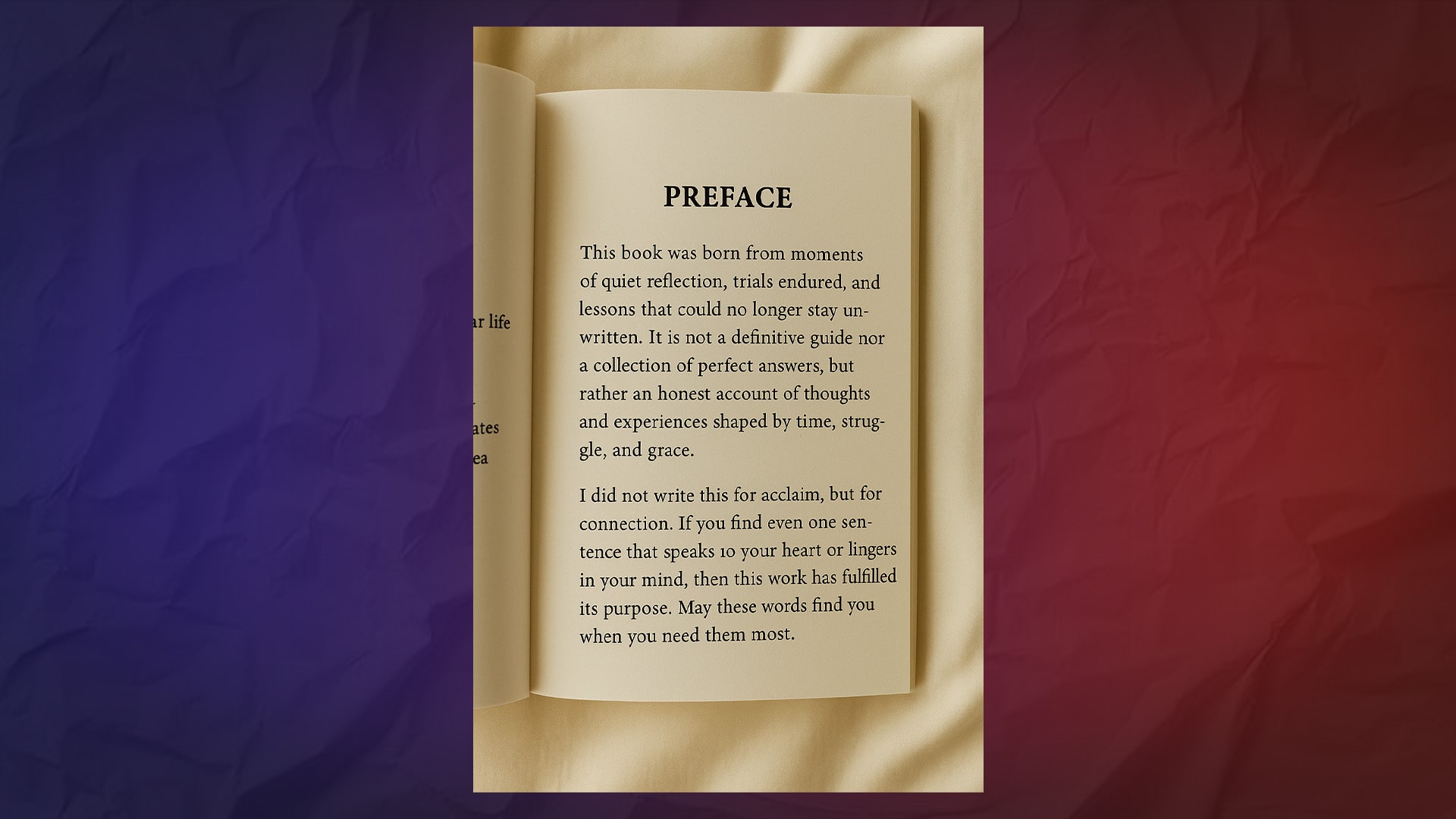
6. Preface
The preface is where the author steps in before the story does. It’s a space to explain why the book was written, how it came to be, or what the reader might gain. It’s usually written in the author’s own voice, sometimes sharing personal stories or behind-the-scenes moments. Think of it as a warm “hey, here’s how we got here.”
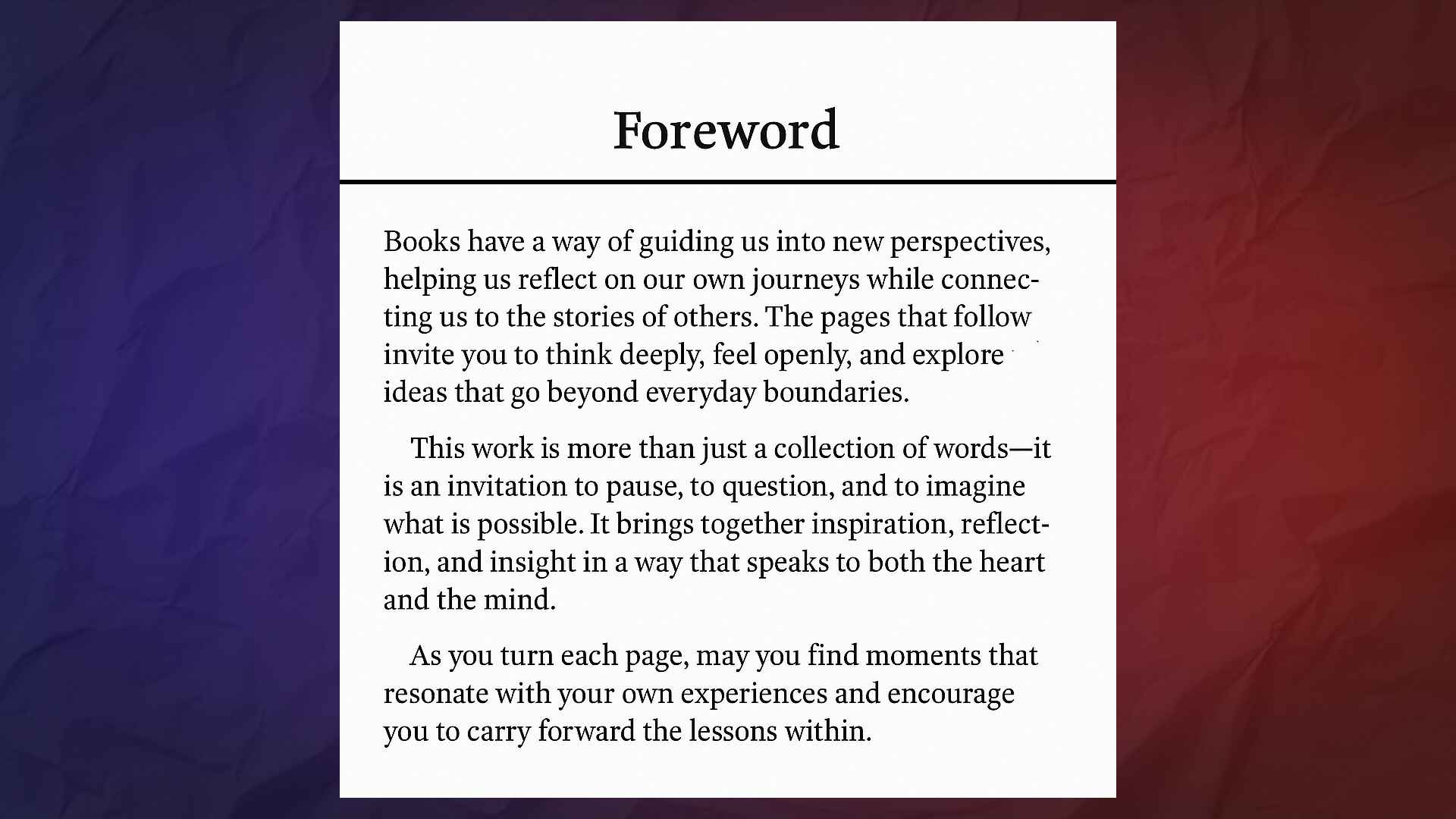
7. Foreword
The foreword is written by someone other than the author, often an expert, mentor, or notable figure who introduces the book and vouches for its value. It’s like a seal of approval, offering context or credibility. The foreword can share how the writer knows the author or why the book matters. It usually ends with a signature and date from the contributor.
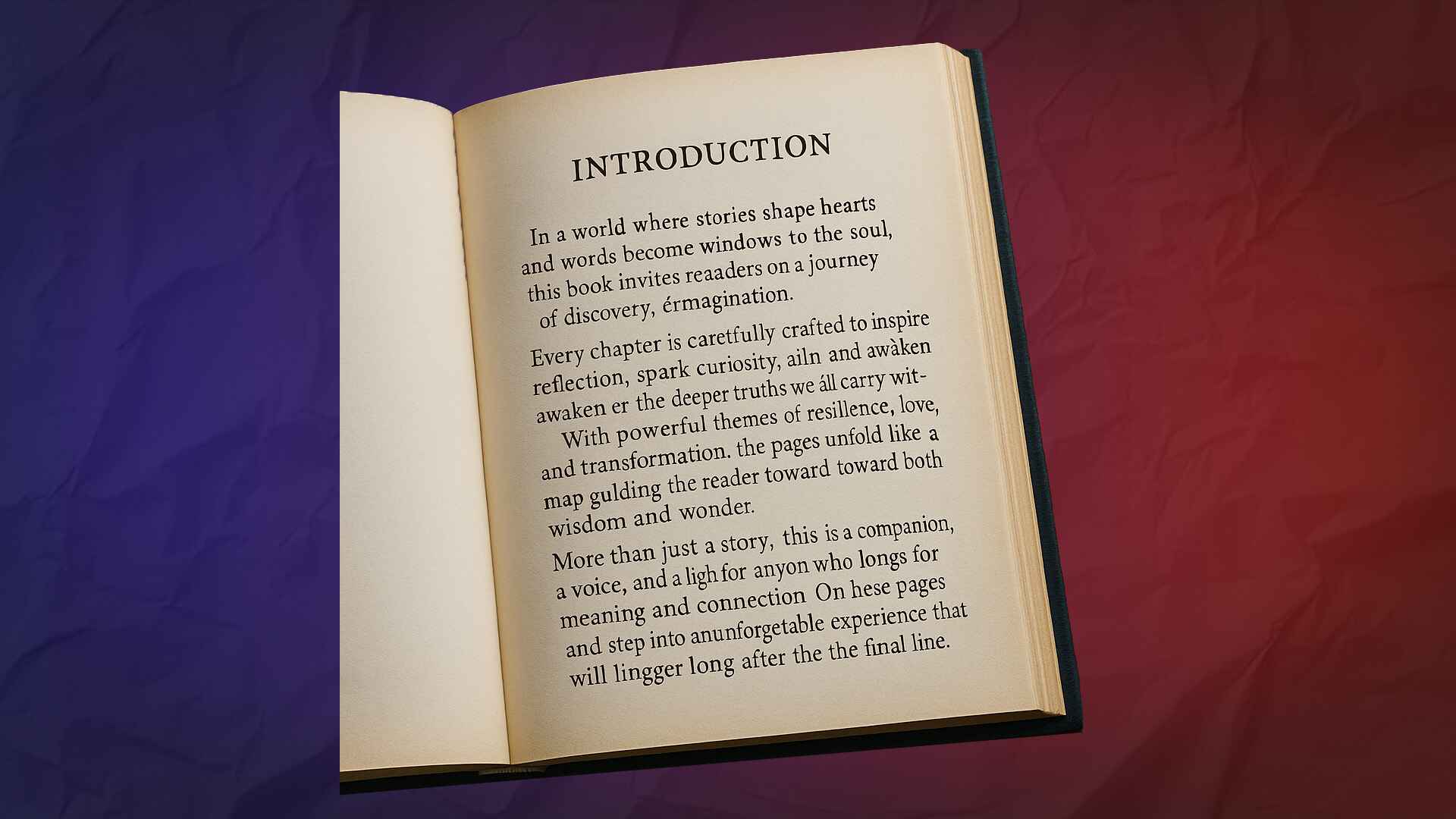
8. Introduction
The introduction sets the stage for what’s inside. Different from the preface, this is where the author starts to unpack the actual topic, outlining what the book will cover and why it matters. It’s especially common in nonfiction, giving readers a sense of direction. A strong intro hooks the reader, highlights key ideas, and builds trust before chapter one even begins.
9. Acknowledgments
This is the love letter to everyone who made the book possible. The acknowledgments page gives the author space to thank editors, friends, family, mentors, publishers, anyone who offered support, guidance, or inspiration along the way. It’s often personal and emotional, and for many readers, it’s a quiet reminder that no book is written alone.
Book Body Structure & Chapter Organization
Alright, now we’re in it. This is where the real story lives, the main content of the book. Everything before this was just the opening act. Now it’s time for the plot, the point, the reason the reader came in the first place.
This is where chapters unfold, ideas deepen, characters grow (or fall apart), and the message finally finds its rhythm. Whether it’s fiction or nonfiction, this part has a job to do: hold the reader’s attention and make every page worth turning.
So how do you build something unforgettable? That’s what we’re about to unpack, starting with fiction, then moving into nonfiction. Different rules, same goal: keep them reading.
Chapters, Structure, and Flow (Fiction)
A good fiction book doesn’t just happen, it unfolds. Chapters are your pacing tool. They break the story into digestible pieces, each with its own mini purpose: building tension, deepening character, or revealing something new.
The structure could follow a classic three-act format (Beginning → Middle → End), a nonlinear twist, or something totally your own, but it should always feel like it’s going somewhere.
The flow matters too. Every chapter should make the reader want to turn the page, whether from curiosity, tension, or emotional pull. Think of it like music: rhythm, build-up, and payoff.
Story Elements: Conflict, Climax, Resolution
Every great story has a pulse and that heartbeat is built on conflict, climax, and resolution. The conflict is what stirs the plot, it’s the tension, the challenge, the thing that keeps your characters (and your readers) on edge.
Then comes the climax, the emotional high point, the big reveal, the battle, the kiss, the fall. It’s the moment everything explodes or shifts.
Finally, the resolution brings closure. It might be soft or shocking, tied up or left open but it gives your reader something to hold onto as they close the book.
Tip: These three elements don’t need to be loud, they just need to feel earned.
Narrative Types and Non-Fiction Structure
Non-fiction may be fact-based, but that doesn’t mean it should be boring. A great non-fiction book still tells a story, it just does it through structure, flow, and clarity.
Your narrative might follow a chronological path (memoir, biography), a topic-based layout (guidebook, self-help), or a case-by-case approach (business or psychology).
The key is consistency: each chapter should open with a question or idea, go deeper with stories or facts, and end with a clear takeaway. Readers should feel guided, not overwhelmed.
Tip: Use headings, bullet points, summaries, and real-world examples to keep your readers engaged and learning.
Back Matter: What Comes After the Story Ends
So the last chapter is done. Maybe you dropped a twist, healed a heart, or left your reader absolutely shattered (respectfully, of course). But just because the story ends doesn’t mean the book is finished.
The back matter is everything that comes after the main content and it still plays a big role. It gives readers a chance to breathe, reflect, connect with the author, and sometimes even peek into what’s coming next.
This is where you can say thank you, offer extras, share your journey, or invite your reader deeper into your world. Whether you’re closing with a heartfelt author’s note or teasing the next book in your series, this part still matters.
Let’s break down all the pages that might follow “The End.”
1. Epilogue
The epilogue is a quiet moment after the storm. It takes place after the story ends, often days, months, or years later and gives closure or a glimpse of what life looks like after everything. In fiction, it might tie up loose ends. In memoirs, it could share what’s changed since the last chapter. It’s not about continuing the story, it’s about letting it settle.
2. Author’s Note
The author’s note is where you drop the guard and speak directly to the reader, no character, no structure, just you. It’s often used to explain your inspiration, clarify real-life references, or reflect on what writing the book meant to you. Whether it’s tender, vulnerable, or matter-of-fact, it’s your chance to say, “This is why I wrote this.”
3. Glossary & Index
These are the behind-the-scenes heroes of nonfiction and academic books. A glossary defines key terms used throughout the book, perfect for technical, scientific, or even fantasy works. The index, on the other hand, is your search engine: an alphabetized list of topics with page numbers. Readers use it to quickly find what they need and authors use it to keep things crystal clear.
4. Bonus Chapter or Preview
Want to keep your reader hooked past the last page? A bonus chapter or a sneak peek of your next book is the way to go. It’s often placed at the very end as a little treat, a deleted scene, an alternate POV, or the first few pages of your upcoming release. It’s not required, but if you’ve got something juicy, why not share it?
5. Author Bio
The author bio is your final hello and lasting impression. It’s usually short, a paragraph or two, sharing who you are, what you’ve written, and maybe something personal (just enough to feel real). It can be serious or playful, but it should match your book’s tone. A good bio reminds readers that behind every story… is a storyteller worth remembering.
6. “The End” Page
Sometimes, two little words can hit harder than the final plot twist. A “The End” page is purely optional but when done right, it feels cinematic. It marks the close of the journey and gives the reader a second to breathe, to sit with everything. It’s a full stop, a soft goodbye, a quiet moment to let it all sink in.
Fiction vs. Non-Fiction: How Book Parts Change by Genre
Not all books are built the same and that’s the beauty of it. Fiction and non-fiction follow many of the same structural rules, but they use different parts differently. Some are optional. Some are essential. And some shift in tone depending on what you’re writing.
Let’s break it down:
In Fiction:
- Table of Contents? Usually skipped. The story unfolds page by page.
- Epigraph? A vibe-setter, often a quote or lyric that whispers the mood.
- Preface or Foreword? Rare. The story does the talking.
- Epilogue? Common, especially for character wrap-ups or time jumps.
- Author’s Note? Sometimes used to explain inspiration or background.
- Bonus Chapter? Readers love a sneak peek of the next book or a deleted scene.
In Non-Fiction:
- Table of Contents? A must-have. Helps readers navigate by topic.
- Introduction & Preface? Expected, sets up the value of the book.
- Quotes & Case Studies? Built into the main content to support claims.
- Glossary & Index? Super helpful, especially in guides, memoirs, or research-heavy books.
- Author Bio? More professional, builds trust and credibility.
- Call to Action? Often ends with next steps, resources, or links.
Bottom line?
Fiction invites you to experience. Non-fiction equips you to understand.
But in both, the parts of the book are there to guide the reader, emotionally or intellectually, from the first page to the last.
Why Every Part of a Book Matters (And What It Tells Your Reader)
A book isn’t just words on pages; it’s a whole experience. From the crisp front cover to the soft weight of the last line, every single part sends a message. The title tells us what to expect. The blurb tempts us. The chapters shape our journey. And even the closing note or that quiet dedication at the start, can linger long after we’ve put the book down.
When all the parts of a book are done right, the reader doesn’t just read, they feel something. They remember it. They recommend it. They come back for more.
So, whether you’re building a novel, crafting a memoir, or publishing your very first how-to guide, don’t skip the details. Don’t rush the structure. Every piece plays a role in the story you’re telling, even when it’s not in the story itself.
Frequently Asked Question
-
What comes first in a book?
Usually, a book begins with the title page, followed by the copyright page, dedication, or an epigraph (a short quote). The main story doesn’t usually start immediately—there’s a brief warm-up section first.
-
What are the main parts of a book?
A standard book has three main sections:
- Front Matter: Everything before the story begins, such as the title page, copyright page, and preface.
- Main Content: The actual story or core material.
- Back Matter: Epilogue, author’s note, glossary, index, and similar sections.
-
Do all books have a table of contents?
No. Non-fiction books almost always include a table of contents, but fiction books often skip it, especially when the story is meant to be read straight through.
-
Do I need to read the preface or foreword?
Not necessarily. These sections are optional reading unless you’re interested in the background, inspiration, or context behind the book.
-
What’s the page that says who published the book?
That information appears on the copyright page, usually near the beginning. It includes the publisher’s name, ISBN, and legal details.
-
Why do some books start on page 5 or 7?
Because the front matter doesn’t count as part of the main text. The story typically starts on an odd-numbered page.
-
What’s the difference between a chapter and a section?
A chapter is a major division of the book, like a new episode. A section is a smaller division within a chapter, often separated by breaks or subheadings.
-
What is the difference between a preface and a foreword?
A preface is written by the author and explains why or how the book was written. A foreword is written by someone else, usually to endorse the book or introduce the author.
-
What comes at the end of a book?
The ending may include an epilogue, author’s note, glossary, index, bonus chapter, author bio, or even a preview of the next book.
-
What’s on the back cover of a book?
The back cover usually includes a blurb, author photo, publisher logo, and the barcode or ISBN. It’s designed to attract readers.
-
Do all books have an author bio?
No, but many do—especially non-fiction books. The author bio is typically found at the end of the book or on the back cover.
-
What is the first page of a book called?
The first page is called the title page. It usually displays the book’s title, the author’s name, and sometimes the publisher’s information.
-
What is a copyright page and why do I need it?
The copyright page legally protects the book. It includes the copyright year, ISBN, legal notices, and printing information.
-
What is an epigraph and do I need one?
An epigraph is a short quote or poem placed at the beginning of a book. It’s optional, but it can set the tone or theme of the story.
-
What’s the back of the book called?
It’s commonly called the back cover. This area usually contains the blurb, author photo, ISBN, and publisher branding.
-
What is the difference between an introduction and a preface?
A preface explains how or why the book was created. An introduction prepares the reader for the book’s content. Preface is behind the scenes; introduction is stepping inside.
-
What’s the difference between an epilogue and a final chapter?
The final chapter is part of the main story. An epilogue comes after and provides closure, reflection, or a glimpse into the future.
-
What is the back-of-the-book summary called?
It’s known as the blurb, jacket copy, or book description. It’s a short pitch designed to hook readers.
-
What is a dedication page used for?
A dedication page honors someone important to the author. It usually appears early in the book and sets an emotional tone.
-
What are the physical parts of a book called?
The physical parts include the front cover, spine, back cover, pages, binding, and endpapers—each contributing to the book’s structure and feel.
Final Thoughts: From Cover to Completion
By now, you’ve seen it all, front to back, cover to cover, line to line. Every single part of a book, no matter how small, plays a role in the experience. From the quiet beauty of a dedication page to the final punch of a bonus chapter, these aren’t just sections, they’re signals. They tell the reader: This book was made with intention.
Whether you’re a writer designing your first masterpiece, a reader trying to understand the parts you always skipped, or just someone who loves books a little deeper now, you’ve got the full breakdown.
So, the next time you open a book, pause for a second. Notice the texture of the spine, the hum of the epigraph, the way the author’s note almost feels like a whisper. Because now you don’t just read books, you understand them.