
Published March 12, 2026 · The Digital Desk, America Publishers
London Book Fair 2026: Pan Macmillan CEO Warns Books Must Compete with Digital Notifications
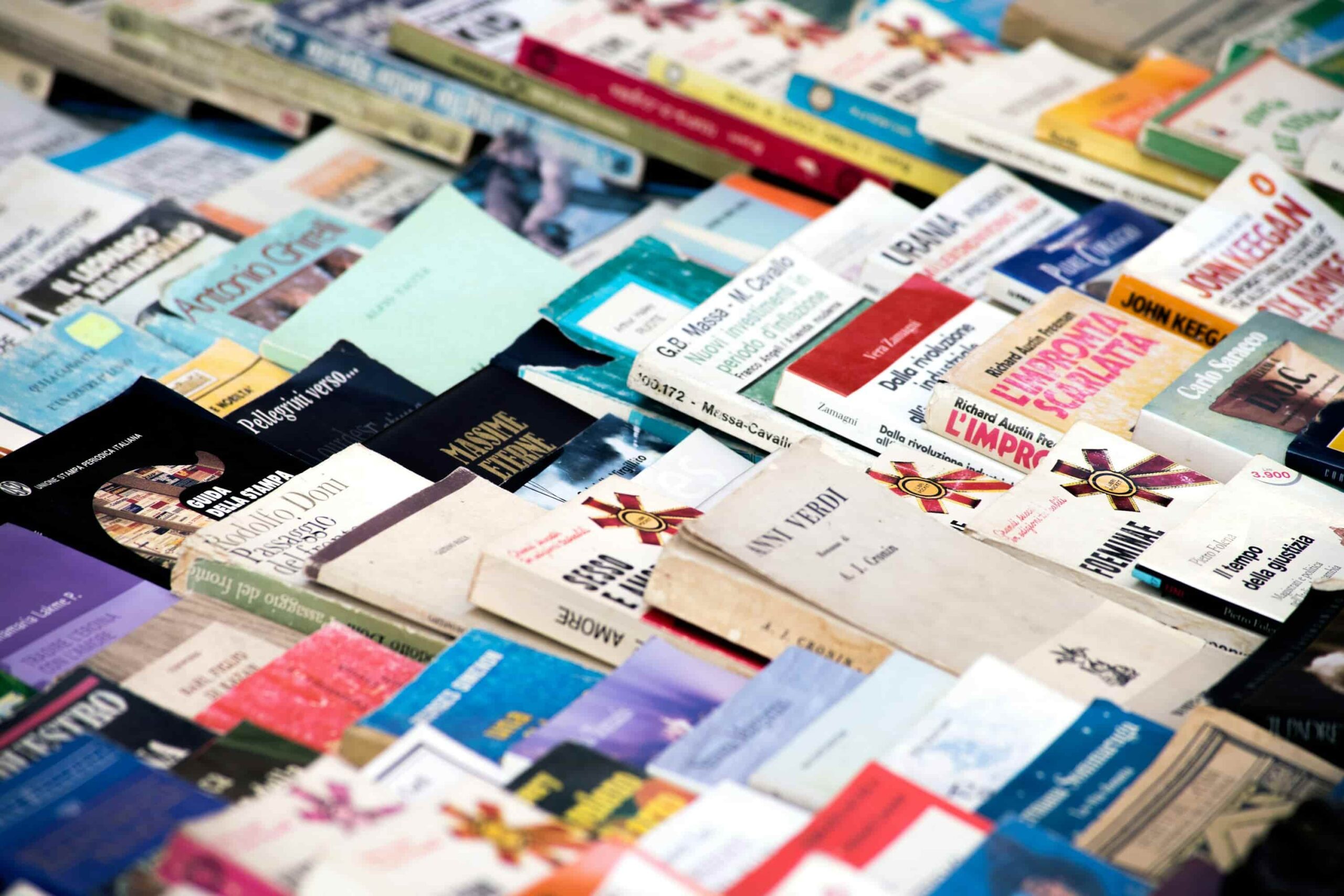
The London Book Fair 2026 delivered one of the most thought-provoking conversations of the year for the global publishing community. During a keynote that quickly became central to this year’s London Book Fair publishing news, Pan Macmillan leadership challenged the industry to rethink its priorities in an era increasingly dominated by digital distraction.
Speaking to a packed audience of publishers, editors, and literary professionals, News surrounding the Pan Macmillan CEO took center stage as the keynote addressed what many now consider one of the most urgent questions facing books today: how to keep readers engaged in an environment where attention is constantly pulled elsewhere. The discussion formed a key part of the wider LBF 2026 publishing insights emerging from the event, which remains one of the world’s most influential international publishing events and a central hub for publishing industry conference news.
Much of the keynote focused on global publishing industry trends, particularly the shifting behavior of readers in a hyper-connected digital world. The conversation highlighted serious publishing market challenges, suggesting that declining reading habits may present a greater long-term threat to the future of book publishing than technological disruption alone.
Industry observers noted that these reflections echoed broader publishing leadership insights circulating across the sector, where executives increasingly recognize that sustaining a healthy reading culture is essential for the industry’s long-term stability.
At the center of the discussion was the growing tension between books vs digital notifications, a dynamic that defines today’s publishing attention economy. Modern readers are surrounded by constant streams of updates, alerts, and social feeds, forcing books to compete directly with the immediacy of online platforms.
This shift reflects deeper changes in modern reading habits, where digital distractions and reading patterns have dramatically altered how audiences interact with long-form content. For many younger readers, the experience of sustained reading is now challenged by environments designed for rapid scrolling and quick bursts of information.
Across many sessions and panels, the London publishing conference insights emerging from the fair suggested that publishers must adapt quickly to these realities. The conversation also sparked renewed debate about books competing with social media, as industry leaders explored how storytelling formats, discoverability strategies, and digital platforms could help publishers reconnect with audiences.
For those asking what was discussed at London Book Fair 2026, the message was clear: the future of the industry may depend less on technological change and more on the ability to rebuild a global culture of reading.
One of the most striking themes raised during the keynote was the rapid transformation of global reading behaviour. As discussions continued throughout the London Book Fair industry trends sessions and panels, many speakers pointed to a clear reality shaping the future of reading culture: fewer people are engaging deeply with long-form content.
Experts speaking alongside London Book Fair speakers suggested that the challenge extends beyond simple entertainment preferences. Instead, the publishing world may be confronting a broader cultural shift in which books competing with technology must now fight for the same attention previously reserved for reading. The issue reflects a broader transformation in how audiences interact with information, creating urgent questions about encouraging reading in digital age environments.
Industry analysts noted that maintaining reader interest now requires stronger reader engagement strategies, particularly as publishers experiment with new approaches to publishing audience engagement across multiple platforms. From immersive storytelling formats to community-driven reading initiatives, the sector is increasingly exploring ways to reintroduce books into everyday digital routines.
A central idea emerging from the keynote was that publishers must rethink how they position books in the modern attention landscape. Rather than treating literature as something separate from everyday media consumption, the industry must develop publishing strategies in the digital age that place books directly within people’s daily information flow.
According to the discussion, effective publishing innovation strategies will depend on meeting readers where their interests already exist. By analysing data on popular topics and online communities, publishers can begin designing discovery pathways that gradually guide audiences toward deeper reading experiences.
This philosophy aligns closely with evolving Pan Macmillan publishing strategy, which emphasises discoverability and accessibility as key tools for audience growth. The approach also reflects a broader industry question: how publishers compete with digital distractions while still preserving the depth and meaning that books uniquely provide.
Several participants referenced reflections similar to those often heard in major industry keynotes, including commentary surrounding the Anthony Forbes Watson London Book Fair speech and wider global publishing leadership insights discussed across the fair’s networking sessions.
Despite the challenges, there were also encouraging signs discussed during various publishing networking events throughout the fair. Popular genres such as romantasy, graphic novels, and immersive audio productions demonstrate that books can still capture widespread public attention when publishers successfully align storytelling with contemporary interests.
These developments were among the most notable London Book Fair announcements, highlighting that innovation across formats can play a vital role in strengthening the future of reading and publishing industry. In this environment, industry leaders increasingly agree on one central principle: why books must compete with notifications is no longer a theoretical question but a strategic necessity.
As discussions at the fair concluded, the message echoed across the publishing community. Rebuilding a global reading culture will require collaboration, creativity, and sustained advocacy. Ultimately, the future of books may depend not only on how stories are written, but on how effectively publishers reconnect readers with the power of sustained attention.
Source: Industry reporting adapted from Publishers Weekly, March 11, 2026. Read the original report on Publishers Weekly: Click here