
Published February 13, 2026 · The Digital Desk, America Publishers
ALA Recharging Conference Highlights: How the American Library Association Conference Tackled Library Workforce Challenges in 2026
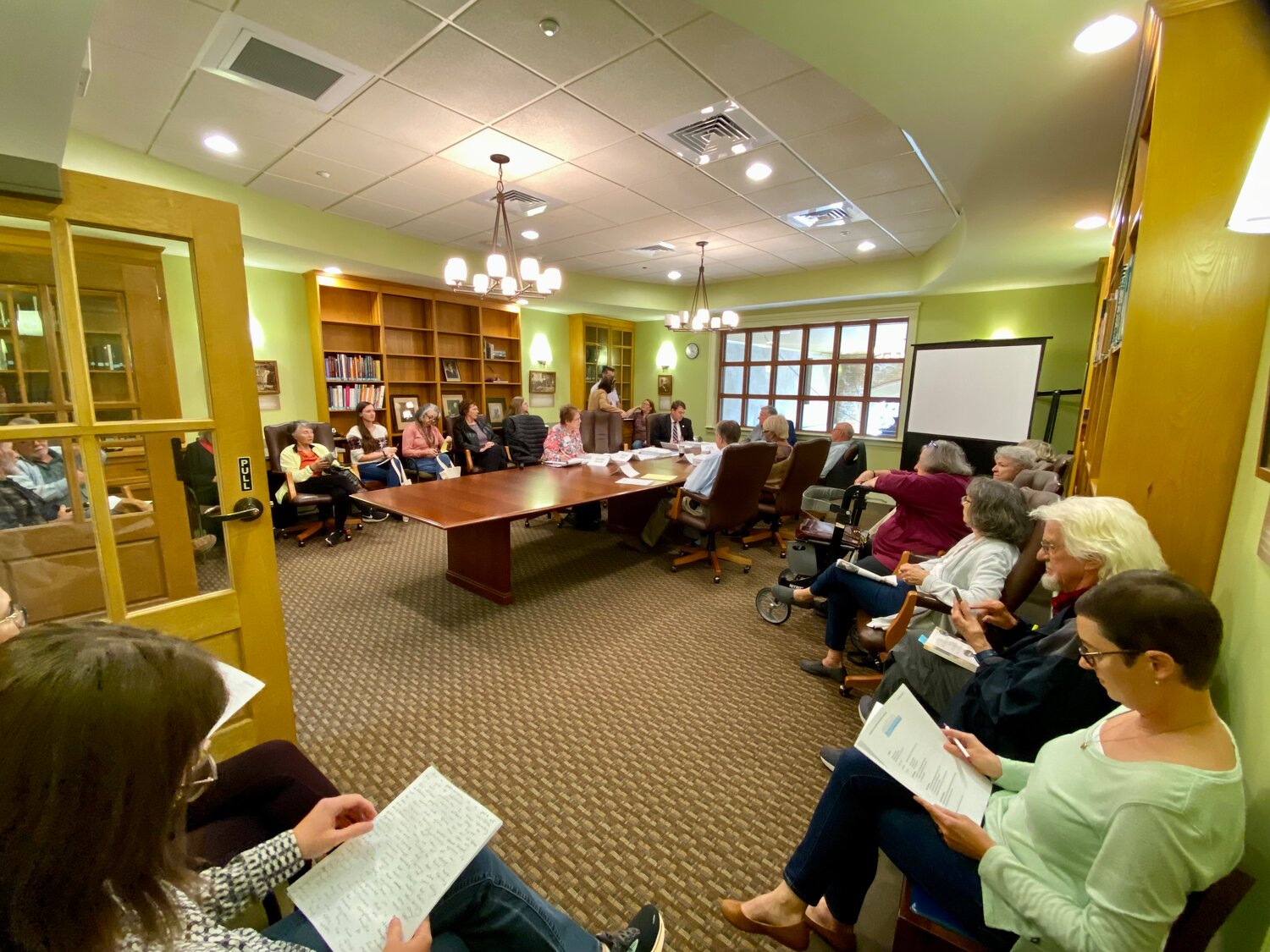
The ALA Recharging Conference has quickly become one of the most discussed developments in recent ALA conference news, signaling a shift in how the profession addresses pressure, sustainability, and institutional resilience. As a major American Library Association event update, the one-day virtual gathering positioned itself as more than a routine meeting. It marked a defining moment for the broader library industry conference 2026 calendar, drawing over 1,100 livestream attendees from across the globe.
Branded “Recharging in Challenging Times,” the event centered not on expansion or growth metrics, but on survival, well-being, and strategic recalibration. In a year when libraries continue navigating political scrutiny, limited funding, and staffing shortages, the message was clear: professional endurance requires structured support, not silent resilience.
This year’s American Library Association conference introduced a notable transition. The organization formally replaced its discontinued LibLearnX format with what it described as a streamlined, impact-focused ALA professional development event. Unlike traditional multi-day conventions, this virtual library professionals conference concentrated its programming into one intensive day, designed for maximum accessibility and focused engagement.
By pivoting to a winter virtual structure, ALA reduced logistical barriers while expanding international participation. Executive Director Dan Montgomery opened the day by welcoming attendees from multiple continents, highlighting the global relevance of American library policy conversations. The format also allowed for concurrent thematic tracks, offering attendees flexibility while maintaining cohesion around a central mission: recalibration.
This structural shift signals a broader evolution in how professional gatherings operate within constrained budgets and demanding schedules.
At the center of the event was an honest reckoning with ongoing library workforce challenges. Speakers acknowledged what many in the field have been articulating for years: responsibility has expanded faster than resources.
Through keynote discussions and panel sessions, ALA directly confronted what it described as ALA addressing professional pain points across public, academic, and school systems. Topics included political targeting, emotional fatigue, underfunded programming, and the weight of public expectations. These pressures, collectively referred to during sessions as library professional pain points, are no longer peripheral concerns but central operational realities.
Participants also explored increasing librarian workplace issues, ranging from public hostility at board meetings to burnout among early-career professionals. Clinical social worker and author Emely Rumble framed the moment as “responding normally to an abnormal period in history,” underscoring that exhaustion is not a personal failing but a structural symptom.
The tone throughout the day emphasized validation. The conference did not promise immediate solutions. Instead, it acknowledged strain while outlining incremental, policy-driven support frameworks.
One of the three primary tracks focused on leadership development, reinforcing the conference’s positioning as a forward-looking library leadership conference. Sessions under this track addressed policy communication, staff morale, and sustainable governance models.
Panelists introduced actionable library leadership strategies aimed at maintaining trust during crisis cycles. Discussions highlighted the importance of transparent messaging, relationship-building before emergencies arise, and structured internal communication systems.
Within these conversations, attendees were guided through what was described as an informal ALA strategic planning session, encouraging departments to move from reactive defense toward proactive infrastructure. Speakers stressed that leadership is not limited to executive roles; it extends to frontline staff advocating for institutional clarity.
The sessions also resembled a collaborative library community leadership forum, where librarians shared case studies of local resilience. Rather than presenting abstract theory, presenters grounded strategies in lived experience, reinforcing that adaptive leadership remains essential in maintaining intellectual access.
The second track expanded into policy advocacy and intellectual freedom, positioning the gathering as a modern library advocacy conference in response to escalating book challenges nationwide.
Speakers emphasized that defense of access requires coordinated infrastructure. In this context, conversations around ALA innovation in libraries extended beyond technology into legal preparation, communication frameworks, and coalition development.
Throughout the panels, moderators referenced broader American Library Association initiatives supporting censorship resistance. Representatives from advocacy groups discussed creating durable alliances between parents, educators, and authors to ensure sustained engagement.
Importantly, the sessions also intersected with broader publishing and library collaboration news, reflecting how publishers and library professionals increasingly coordinate responses to book bans. Authors who have faced targeted removal efforts shared firsthand accounts of public backlash and community solidarity, reinforcing that cross-sector partnerships remain critical.
Rather than centering confrontation alone, speakers encouraged long-term strategy. Coalition building, documentation processes, and policy literacy were repeatedly framed as foundational tools for institutional survival.
Beyond policy and leadership, the emotional dimension of the profession received significant attention. Several sessions focused directly on librarian mental health discussions, acknowledging that constant crisis response has created a sustained state of professional strain.
A dedicated library professional burnout discussion explored how responsibility has expanded without proportional staffing or funding. Speakers emphasized that exhaustion is not an individual weakness but a predictable outcome of systemic imbalance. Attendees were encouraged to build internal cultures that normalize asking for help rather than rewarding silent overextension.
Within this framework, the conference spotlighted ongoing ALA librarian support initiatives designed to create sustainable coping structures. From peer networks to policy toolkits, these efforts aim to institutionalize support rather than leaving it to informal goodwill.
Panelists also addressed broader librarian support programs, including the suggestion of neutral ombudsperson roles, wellness check-ins, and structured reflection spaces. The recurring message was clear: well-being cannot be treated as an afterthought if the profession intends to retain experienced professionals.
While the conference acknowledged strain, it also positioned itself as a forward-looking librarian career development conference, highlighting pathways for advancement even amid instability.
Sessions examined how continuous skill-building contributes to long-term library industry professional growth. In an era of shifting public expectations and digital integration, professional agility is no longer optional. Librarians are increasingly expected to navigate legal policy debates, technology shifts, and community mediation simultaneously.
To support this evolution, speakers emphasized the importance of structured librarian professional training programs. Training discussions ranged from intellectual freedom policy literacy to crisis communication workshops.
These conversations tied into broader ALA continuing education programs, reinforcing that professional development must remain accessible and adaptive. Rather than viewing education as a separate track from daily operations, the conference framed it as an integrated survival mechanism for institutions navigating complex political and social climates.
The conference also acknowledged specific sector pressures shaping the profession this year. Panels addressed growing public library workforce issues, including staffing shortages, safety concerns, and increased scrutiny at board meetings.
In parallel, presenters explored academic library challenges 2026, such as budget realignments, research access disputes, and evolving student support demands. While public and academic environments differ operationally, both sectors are navigating what speakers described as layered modern library challenges.
Operational leaders discussed recent library management updates focused on resource allocation, internal policy audits, and improved communication protocols. The emphasis was not solely on defending access, but on strengthening institutional clarity to prevent escalation where possible.
Across sectors, the message remained consistent: adaptability must be paired with structured governance if libraries are to remain resilient pillars within their communities.
Another key thread running through the conference was sustained engagement. Sessions framed the gathering as a strategic ALA community engagement conference, reinforcing that long-term advocacy requires consistent outreach rather than reactive mobilization.
Presenters introduced practical librarian retention strategies, highlighting mentorship pipelines, peer recognition systems, and leadership cultivation within existing staff. Retention was repeatedly described as a workforce stability issue rather than simply an HR metric.
The broader concept of library workforce development emerged as a central theme. Speakers argued that investing in early-career librarians, providing mentorship frameworks, and building transparent growth pathways strengthens institutional durability.
Networking also played a significant role, with attendees leveraging virtual sessions to foster library sector professional networking connections across regions and specializations. Even within a one-day format, the event facilitated dialogue that extended beyond the conference window, reinforcing the profession’s interconnected ecosystem.
The event concluded with reflections that encapsulated the day’s central themes. Observers pointed to several ALA annual conference highlights, including candid discussions on burnout, policy resilience, and institutional continuity.
From a broader perspective, the conference offered insight into emerging library industry trends 2026, particularly the integration of mental health frameworks into professional policy conversations. Rather than separating advocacy from well-being, the event treated them as interdependent pillars.
As a comprehensive library conference industry update, the gathering underscored how the profession is recalibrating its priorities. Leaders stressed that resilience requires intentional infrastructure, not reactive crisis management.
The event also generated attention within broader public library industry news, especially regarding intellectual freedom advocacy and cross-sector collaboration.
For many attendees, the day functioned as both validation and recalibration. In what can fairly be described as a timely ALA conference recap, the message was unmistakable: libraries are navigating one of the most complex periods in their modern history, yet the profession remains committed to adaptation and service.
The American Library Association’s emphasis on reflection, strategy, and collective endurance suggests that this reimagined conference format may become a defining fixture within the professional calendar. As institutions prepare for major national milestones and evolving community demands, the conversations initiated here will likely shape policy and professional discourse throughout the year.
Source: Industry reporting adapted from Publishers Weekly, Libraries News, February 11, 2026. Read more at publishersweekly.com.