
Published February 21, 2026 · The Digital Desk, America Publishers
Literacy Organizations Funnel Children’s Books to Twin Cities Immigrant Families
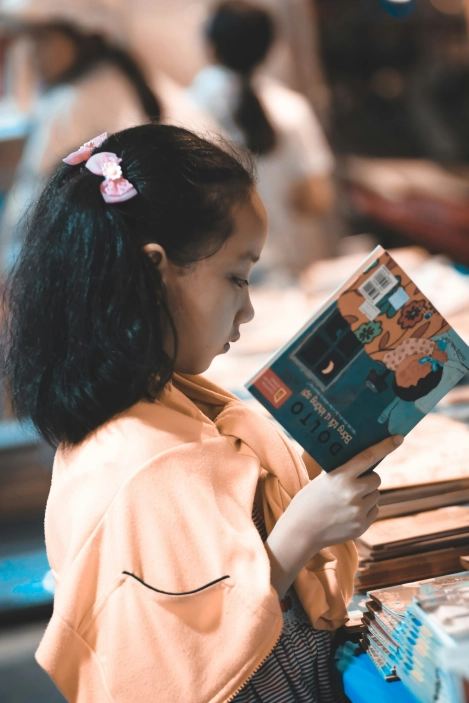
In a significant development highlighted in recent literacy and education news, multiple literacy organizations children’s books initiatives are being mobilized to support vulnerable communities, with a focused effort on providing children’s books Twin Cities immigrant families who are currently sheltering at home. The coordinated response reflects broader trends in literacy nonprofit news 2026, where advocacy groups are adapting distribution models to ensure continued access to reading materials for children facing disruptions in traditional schooling and community engagement.
The initiative, covered as part of ongoing literacy and education news coverage, underscores how nonprofit literacy groups are responding to urgent social circumstances by prioritizing equitable access to books for young readers. As families in the Minneapolis and St. Paul metro areas navigate uncertainty, literacy-focused organizations have stepped in to bridge educational gaps through targeted book access programs and structured outreach.
According to recent Twin Cities literacy nonprofit news reports, locally based efforts have intensified their approach to immigrant family book distribution by working directly with schools and community networks. A Book of My Own, a Minnesota-headquartered nonprofit, has adjusted its operational model to align with evolving community needs, ensuring that children receive age-appropriate and language-inclusive reading materials without requiring physical attendance at traditional literacy events.
These evolving Twin Cities community literacy efforts are supported through strong community literacy partnerships Minnesota, allowing organizations to collaborate with school districts, educators, and local advocates to streamline outreach. The initiative also resembles a broader Twin Cities literacy book drive strategy, where books are bundled by language and age group to maximize relevance and accessibility for diverse households.
The organization’s leadership noted that their mission remains rooted in delivering books across Minnesota, but recent developments prompted a sharper regional focus. By funneling resources into school networks and trusted distribution channels, literacy groups are ensuring continuity in educational engagement even when families are unable to access conventional learning environments.
This ongoing children’s book donation news highlights a critical emphasis on multilingual accessibility, particularly for families requiring culturally and linguistically appropriate materials. Donations have included thousands of Spanish-language titles, alongside books in Hmong and Somali, reinforcing literacy support for immigrant kids who may otherwise face barriers to reading resources at home.
In addition to large-scale contributions, organizations are coordinating children’s reading resources donation programs that prioritize inclusivity and cultural representation. These efforts directly enhance book access for immigrant children by ensuring that reading materials reflect both language needs and developmental stages.
The distribution model also focuses on children’s books for multilingual families, recognizing that literacy development is most effective when supported in a child’s primary language. By aligning book selection with community demographics, literacy groups are strengthening Twin Cities immigrant educational resources and creating more equitable learning opportunities within underserved populations.
As literacy programs for immigrant families continue to expand, the emphasis has shifted toward supporting households where children are learning and reading primarily from home. This approach integrates immigrant family reading support strategies that encourage shared reading between parents and children as a stabilizing educational practice.
Advocates and educators involved in these initiatives stress that literacy access plays a vital role in immigrant children education support, particularly during periods of disrupted routines. Many educators support immigrant students through indirect outreach, ensuring that books, guidance materials, and literacy tools reach families through trusted community networks rather than traditional institutional settings.
These coordinated interventions demonstrate how literacy organizations helping immigrant families are adapting their outreach frameworks to meet families where they are. Through structured Twin Cities immigrant family reading programs, nonprofits are not only distributing books but also reinforcing emotional resilience, educational continuity, and long-term literacy engagement within immigrant communities.
Recent developments in children’s literacy outreach Twin Cities efforts have drawn attention to the adaptive strategies being used by national and local organizations to reach families outside traditional institutional settings. What would normally be structured as a literacy event Twin Cities initiative has instead evolved into a decentralized outreach model, prioritizing safe and accessible distribution through community-based channels.
As part of broader nonprofit book distribution Minnesota efforts, Reach Out and Read launched the Books for Neighbors initiative, a program specifically designed to funnel books and early literacy resources directly to families through trusted organizations. This aligns with wider nonprofit children’s book programs that focus on early childhood development and sustained literacy engagement, particularly for children from birth to age five.
Industry observers are closely following this shift as a form of book distribution nonprofit news, noting how local literacy groups are replacing clinic-based models with local literacy events and initiatives conducted through home visits, mutual aid networks, and community outposts. This transition ensures continuity in literacy access even when families are unable to attend routine health or educational appointments.
Another key dimension of this children’s book literacy initiative is the growing involvement of publishers, bookstores, and grassroots donors who are contributing to large-scale book distribution campaigns. Reports indicate that the literacy organizations impact has been amplified through coordinated support from national publishers, independent bookstores, and local book clubs that are actively purchasing and donating titles for targeted outreach.
These collaborative efforts enhance children’s book outreach Twin Cities programs by ensuring that book selections are developmentally appropriate, culturally inclusive, and linguistically relevant. At a broader level, such collaborations reflect the evolving landscape of children’s publishing and literacy outreach, where stakeholders across the publishing ecosystem are contributing to humanitarian literacy access efforts.
The initiative also reinforces the importance of multicultural literacy advocacy, as multilingual book shipments in Spanish, Somali, Hmong, and other languages address diverse reading needs while supporting inclusive learning environments for young readers.
From an industry perspective, this development has gained traction within PW industry news literacy discussions, highlighting how literacy organizations are rapidly adapting their operational frameworks in response to community-level challenges. Analysts monitoring literacy outreach programs 2026 note that the initiative represents a scalable model for emergency literacy distribution in underserved regions.
The broader narrative also contributes to ongoing literacy awareness and promotion across educational and nonprofit sectors, positioning the initiative within the wider scope of Twin Cities education community news. As literacy nonprofit news 2026 continues to evolve, similar models may be replicated in other metropolitan areas experiencing disruptions in traditional literacy access.
This coverage further strengthens the conversation around literacy nonprofit news 2026 within publishing and education circles, reinforcing the role of nonprofit organizations as essential partners in maintaining reading continuity for vulnerable populations.
Looking ahead, the sustained momentum behind literacy organizations children’s books distribution reflects a long-term commitment to book access equity for children, particularly those from immigrant and multilingual backgrounds. By prioritizing nonprofit literacy outreach coverage, advocacy groups are ensuring that literacy access remains a central component of community support frameworks.
Experts emphasize that literacy organizations children’s books programs are not solely about educational supplementation but also about emotional stability, routine reinforcement, and cognitive development during periods of uncertainty. As community reading initiatives news continues to spotlight such interventions, the current efforts in Minnesota stand as a model for responsive literacy programming rooted in accessibility and inclusion.
Ultimately, these coordinated initiatives illustrate how literacy ecosystems can adapt through community-driven strategies, ensuring that children retain consistent access to books, learning resources, and developmental support regardless of external disruptions.
Source: Industry reporting adapted from Publishers Weekly, February 19, 2026. Read more at publishersweekly.com.