
Published November 28, 2025 · The Digital Desk at America Publishers
A New Chapter for Children’s Publishing: Insights from the Shanghai Book Fair 2025
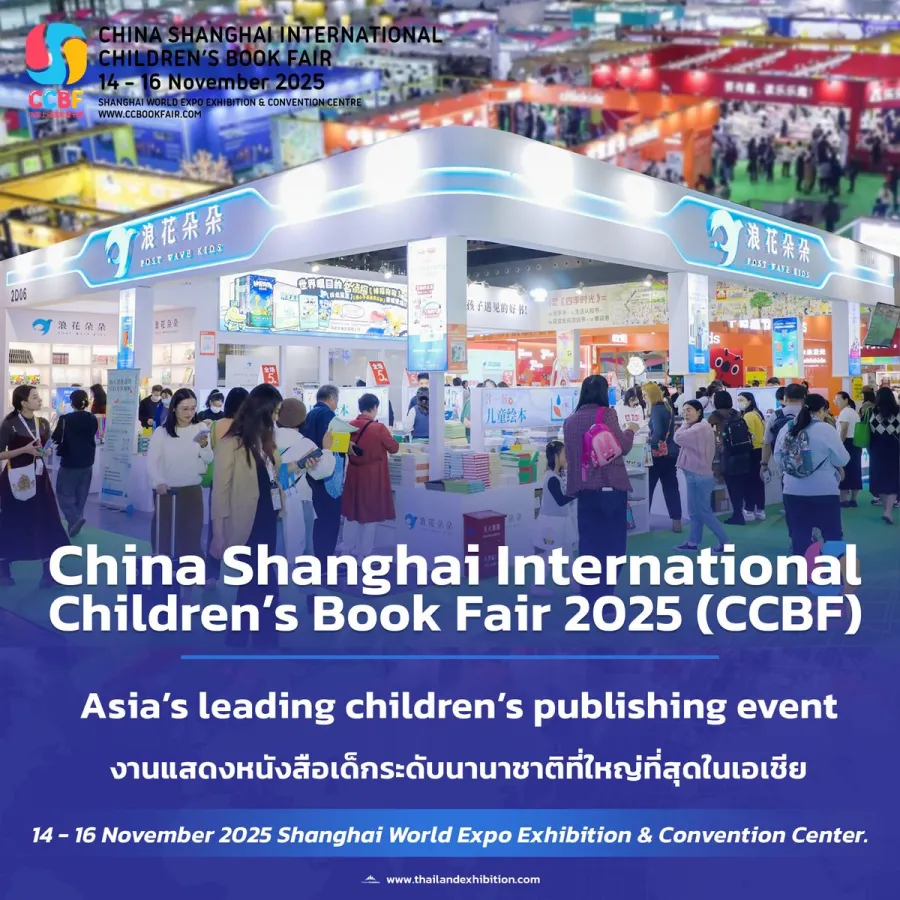
The 2025 China Shanghai International Children’s Book Fair arrived at a pivotal moment for global publishing. With shifting reading habits, cautious rights buying, and a sharper focus on digital-first storytelling, this year’s event offered more than just exhibition halls and new releases. It became a mirror reflecting how children’s publishing is evolving across continents. From market slowdowns to rising creative confidence among Chinese publishers, the fair highlighted both the pressures and the possibilities shaping the next decade of children’s books. For international publishers, Shanghai 2025 served as a reminder that the world’s most dynamic youth market is entering a new phase, more selective, more inventive, and undeniably more influential.
This year’s Shanghai fair unfolded against a backdrop of cooling numbers across the Chinese book market, and the children’s segment was no exception. Retail sales dipped in the first ten months of 2025, signaling slower consumer movement and tighter decision-making among parents. Children’s books, while still commanding a significant share of the national market, showed a fractional decline, evidence that even strong categories are not immune to broader economic pressures. Content-based platforms such as WeChat, Douyin, and Xiaohongshu continued to dominate sales, accounting for nearly half of all purchases, yet growth on these channels has noticeably slowed. Brick-and-mortar stores contributed only a small portion, reinforcing how deeply digital buying habits have taken root since the pandemic era.
Another key shift was the reduced volume of newly published children’s titles compared to last year. Fewer releases, combined with a decline in heavy discounting, suggest a market trying to stabilize value after years of price-driven competition. Popular science maintained its lead as the top-performing category, followed by children’s literature and picture books, while social and emotional learning titles showed a quiet but steady rise, reflecting the changing needs of young readers and parents navigating a complex world.
One of the most discussed shifts at the fair was the noticeable slowdown in rights acquisitions, but exhibitors offered two very different interpretations of why it’s happening. The first perspective came from long-time industry partners who believe Chinese publishers are still working through significant backlogs of inventory accumulated during the pandemic years. With warehouses full and margins pressured by years of aggressive discounting, many publishers are prioritizing sell-through before committing to new international titles. From this viewpoint, the market isn’t rejecting foreign content, it’s simply recalibrating.
The second viewpoint reflects a deeper structural change: after years of importing bestsellers and award-winning titles, Chinese publishers have strengthened their own creative pipelines. Many are now focused on producing homegrown IP, expanding domestic authorship, and exploring outbound rights sales. Rather than just buyers, they are increasingly positioning themselves as global content creators. Together, these two perspectives illustrate a market redefining its balance between acquiring, developing, and exporting children’s literature.
While the fair showcased thousands of books and illustrations, the most telling insights came from conversations across the exhibition floor. Many international publishers noticed a clear shift in what Chinese editors were looking for. Instead of the typical demand for YA or commercial fiction, visitors gravitated toward educational content, moral development themes, and nonfiction for teenagers, a noticeable contrast to trends in Western markets. Books for ages three and below, however, saw less traction due to pricing challenges and a highly competitive local ecosystem.
Another recurring theme was how technologically forward Chinese publishers have become. Many exhibitors commented on how seamlessly local teams discussed content not just as books, but as full IP ecosystems, thinking simultaneously about print editions, merchandise, animation potential, and digital extensions. The openness toward AI-supported workflows also caught the attention of first-time exhibitors, especially those coming from markets where AI is approached with more caution.
Rights discussions mirrored this modernized mindset. While buying fewer imported titles, Chinese publishers showed greater interest in selling their own books to the world, and in some cases, in customizing foreign content to better align with local storytelling preferences. This shift from passive acquisition to active shaping marks a maturing market, one that knows its audience deeply and is unafraid to request format adjustments, longer series, or culturally attuned narratives. For many exhibitors, these interactions revealed a China that is not only consuming global content but actively contributing to the future direction of children’s publishing.
One of the strongest indicators of how the Chinese children’s market is evolving came from the creative program me at the fair. Instead of introductory sessions on picture-book basics or narrative structure, workshops focused on advanced topics like refining book jackets, developing illustrator brands, and expanding character-driven IP. This shift reflects a growing confidence among local creators who are no longer learning the fundamentals, but perfecting the craft with international ambition.
The Illustrators Survival Corner, a long-standing highlight of the fair, reinforced this momentum. Attendees explored strategies for building sustainable careers, protecting creative rights, and understanding global visual trends. Sessions on representing daily childhood life and nurturing distinct illustration identities hinted at a market ready to export its own visual language.
More importantly, the conversations moved beyond the page. Chinese publishers are increasingly approaching illustrations as the first building block of a larger commercial universe, open to multimedia, merchandise, licensing, and cross-platform storytelling. This integrated creative thinking signals a broader transformation: children’s books in China are no longer just stories for young readers, but potential foundations for international IP ecosystems.
Taken together, the shifts visible at the 2025 fair point to a children’s publishing market undergoing a deliberate transformation. China’s focus on original IP, stronger editorial selectivity, and cross-platform storytelling reflects a sector preparing for long-term stability rather than short-term volume. As buying habits continue to lean toward digital platforms, publishers are refining how they reach young readers, prioritizing emotional connection, aesthetic appeal, and instantly recognizable symbols that can travel across formats.
The influence of Gen Z and Gen Alpha is particularly clear. These generations respond to visual storytelling that feels immediate and expressive, whether in illustrated books, comics, or character-driven universes. Despite assumptions that young readers prefer quick digital content, they are gravitating toward stories that deliver fast emotional resonance while offering depth when they choose to slow down. This aligns closely with the rise of global “super-symbols” such as Pop Mart and Labubu, whose emotional clarity has sparked major cultural waves.
For international publishers, the message is straightforward: China is no longer just a market to sell into, it is becoming an active cultural exporter shaping how children’s stories will be told, packaged, and experienced in the years ahead.
As the industry reflects on the insights gathered in Shanghai, it’s clear that the children’s book landscape is moving into a period of recalibration and renewed creativity. The conversations, collaborations, and market signals from this year’s fair suggest a future defined by cross-cultural exchange, stronger visual storytelling, and the rise of homegrown IP with global potential. The next China Shanghai International Children’s Book Fair will return from November 13–15, 2026, offering another moment to measure how far these shifts have progressed.
Source: Publishers Weekly, “Shanghai Children’s Book Fair Examines a Changing Market,” Read more at: PublishersWeekly.com.