
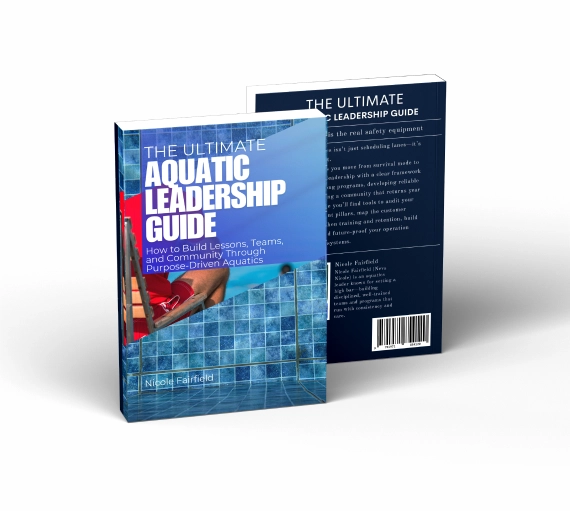
The Ultimate Aquatic Leadership Guide

The Ultimate Aquatic Leadership Guide: A Purpose-Driven Blueprint for Modern Aquatics

In an industry where safety, trust, and leadership intersect every day, The Ultimate Aquatic Leadership Guide emerges as a powerful resource for professionals responsible for protecting lives and shaping aquatic communities. The Ultimate Aquatic Leadership Guide book is more than a management manual. It is a philosophy of leadership for those who understand that aquatics is not simply about running programs but about stewarding a community built around water safety and human connection.

Written by experienced aquatic educator Nicole Fairfield, Nicole Fairfield The Ultimate Aquatic Leadership Guide provides a structured roadmap for directors, pool managers, lifeguard supervisors, and swim program coordinators who want to lead with purpose rather than operate in survival mode. Through practical strategies and leadership insights, this aquatic leadership guide book explores how aquatic programs can move beyond scheduling lanes and filling classes to building meaningful systems that protect lives and strengthen communities.

At its core, this book serves as a professional lifeguard leadership guide, showing aquatic professionals how leadership, training, and culture combine to create safe and thriving aquatic environments. The work emphasizes the importance of intentional leadership decisions, strong operational foundations, and purpose-driven programming that can withstand seasonal pressure and operational complexity.

For aquatic professionals seeking to build sustainable programs and impactful teams, The Ultimate Aquatic Leadership Guide provides the clarity and structure needed to transform everyday operations into leadership-driven aquatic ecosystems.

Successful aquatic programs are rarely built by accident. They are the result of thoughtful planning, clear leadership philosophy, and operational discipline. One of the most valuable insights presented in the book is that aquatic facility leadership requires far more than simply maintaining schedules and equipment. Leaders must understand how every operational decision affects the people who depend on the facility.

A modern aquatic facility management guide must address the complex responsibilities that come with running a public or private aquatic center. These responsibilities include staff training, risk mitigation, program development, community communication, and the overall safety culture that surrounds the facility. When these elements are aligned, aquatic programs begin to operate with clarity and purpose rather than constant crisis management.

Effective swimming pool operations leadership also means creating environments where both staff and participants feel supported and respected. Lifeguards must understand their responsibility as protectors of safety, instructors must recognize their influence on young swimmers, and program leaders must build structures that allow these teams to succeed.

Strong leadership also depends on implementing aquatic safety leadership strategies that prioritize prevention, accountability, and proactive communication. Instead of reacting to emergencies, great aquatic leaders design systems that reduce risk, strengthen awareness, and create predictable operational flow.

When aquatic facilities operate with intentional leadership and structured systems, they evolve from simple recreation spaces into trusted community institutions dedicated to safety, growth, and connection.

Behind every safe aquatic facility is a team of professionals who understand both responsibility and leadership. One of the most critical elements of a successful aquatic program is aquatic team leadership training, which ensures that lifeguards and instructors are prepared not only to respond to emergencies but also to contribute to a culture of accountability and service.

Effective lifeguard leadership training goes beyond basic certifications. While technical rescue skills remain essential, strong aquatic programs also focus on communication, situational awareness, and decision-making under pressure. Lifeguards must understand that their role involves constant observation, proactive prevention, and leadership presence on the pool deck.

Programs that prioritize professional lifeguard management recognize that staff development is an ongoing process. Hiring the right individuals is only the first step. Leaders must invest in mentoring, performance feedback, and continued training opportunities that allow staff members to grow in confidence and competence.

Equally important is fostering lifeguard team leadership within the staff structure. When experienced guards mentor newer team members and supervisors empower staff to take ownership of their responsibilities, the entire facility becomes stronger. Leadership becomes shared rather than concentrated in a single position.

Ultimately, building and sustaining high-performing aquatic teams requires commitment to developing people. Facilities that focus on building strong lifeguard teams create environments where professionalism, trust, and vigilance become part of the culture, strengthening safety and operational consistency across every program.

Operational excellence in aquatics depends heavily on well-structured training systems and clear leadership expectations. A strong lifeguard training leadership guide provides the foundation for staff development by outlining consistent procedures, communication standards, and operational responsibilities for every member of the team.

Within successful facilities, aquatic operations leadership ensures that daily tasks are supported by repeatable systems rather than improvisation. These systems include written procedures, incident documentation protocols, and clearly defined emergency response plans that guide staff through high-pressure situations. When these processes are documented and consistently reinforced, facilities reduce confusion and strengthen operational reliability.

Developing confident staff also requires attention to aquatic staff leadership. Lifeguards, instructors, and supervisors should be encouraged to take initiative, communicate effectively with participants and parents, and demonstrate professionalism throughout every shift. When leadership behaviors are modelled by supervisors and reinforced through training, the entire staff becomes more capable and dependable.

Structured leadership development is also strengthened through aquatic supervisor training, which prepares emerging leaders to manage teams, coordinate schedules, and oversee safety procedures effectively. Supervisors serve as the operational bridge between leadership strategy and daily execution, ensuring that the facility’s standards are upheld consistently.

By investing in comprehensive training systems and leadership development programs, aquatic facilities create an environment where staff operate with confidence, coordination, and a shared commitment to safety and service.

Water safety remains the most critical responsibility of any aquatic program. Every decision made by aquatic leaders ultimately contributes to one central mission: protecting lives. This is why drowning prevention leadership is a core theme throughout The Ultimate Aquatic Leadership Guide. Preventing incidents requires more than reactive rescue skills. It demands systems, awareness, and leadership commitment across the entire facility.

A key component of effective prevention is the implementation of reliable lifeguard surveillance systems. Lifeguards must maintain constant vigilance through structured scanning techniques, proper zone coverage, and continuous situational awareness. When surveillance protocols are clearly defined and regularly practiced, guards are better prepared to identify risks before they escalate into emergencies.

Training also plays a major role in improving response readiness. Structured drowning detection training ensures that lifeguards recognize subtle distress signals that may otherwise go unnoticed in busy aquatic environments. These programs teach staff how to differentiate between recreational behavior and early warning signs of danger.

In addition, aquatic programs must develop strong water safety leadership strategies that promote prevention through education and culture. This includes teaching swimmers safe behaviors, communicating clearly with parents, and reinforcing safety expectations during lessons, events, and open swim sessions.

Preparedness is equally essential. Facilities that prioritize aquatic emergency preparedness conduct regular drills, review emergency action plans, and ensure that every staff member understands their role during a critical situation. When prevention, training, and leadership align, aquatic facilities create environments where safety becomes a shared responsibility rather than a reactive task.

Operational success in aquatics relies heavily on organization, documentation, and risk awareness. A well-developed aquatic risk management guide provides aquatic leaders with the tools needed to anticipate potential challenges and implement systems that protect both participants and staff.

Professional aquatic programs depend on structured swimming pool safety operations that guide daily activities. These operations include monitoring water quality, maintaining equipment, supervising lifeguard rotations, and ensuring that safety procedures are consistently followed throughout the facility. When these systems are clearly defined, staff members can focus on service and safety rather than uncertainty.

Facilities that operate effectively also establish robust aquatic facility safety systems. These systems often include written standard operating procedures, incident reporting structures, staff accountability processes, and clear communication channels for handling unexpected situations. By documenting these processes, leaders create consistency that allows facilities to operate smoothly even during peak seasons.

Beyond safety protocols, leadership must also focus on aquatic program management, which includes coordinating lessons, managing team practices, scheduling events, and overseeing participant engagement. Effective program management ensures that activities run efficiently while maintaining the high safety standards expected in aquatic environments.

When operations, risk management, and leadership systems work together, aquatic facilities transform from reactive workplaces into well-organized environments where staff can operate confidently and participants can enjoy safe, meaningful experiences in the water.

Aquatics is more than a seasonal job for many professionals. For those who choose to grow within the industry, it becomes a meaningful career built on responsibility, mentorship, and leadership. The Ultimate Aquatic Leadership Guide positions itself as an aquatics career leadership guide, offering practical insight for professionals who want to advance from instructors or lifeguards into supervisory and management roles.

One of the most valuable investments an aquatic facility can make is in aquatic professional development. When organizations provide structured training opportunities, leadership workshops, and mentoring programs, staff members gain the confidence and knowledge needed to take on greater responsibility. This investment not only strengthens individual careers but also improves the overall stability and quality of aquatic operations.

Developing strong leadership skills for lifeguards is particularly important because lifeguards are often the first line of interaction with swimmers and families. Guards who demonstrate professionalism, communication skills, and situational awareness contribute significantly to the culture of safety and trust within a facility. When leaders intentionally cultivate these skills, lifeguards evolve from passive observers into proactive protectors of the aquatic environment.

Leadership growth in aquatics also involves understanding the broader purpose of the profession. Aquatic professionals are not simply managing pools; they are creating safe spaces for learning, recreation, and community connection. When leaders nurture professional development across their teams, they build a workforce that is prepared to carry the mission of water safety forward for years to come.

Strategic thinking plays a crucial role in the long-term success of aquatic programs. Facilities that thrive over time often do so because leaders apply thoughtful aquatic leadership strategies for swim facilities that balance safety, programming, and community engagement. Strategic leadership allows aquatic directors to move beyond short-term scheduling and focus on sustainable growth.

Effective planning often includes implementing strong aquatic team management strategies that coordinate instructors, lifeguards, and supervisors toward shared goals. When staff understand the mission of the facility and how their roles contribute to it, teamwork becomes more effective and operational efficiency improves across the board.

Another key component of strategic leadership is establishing a structured aquatic leadership training program. Such programs provide staff members with opportunities to learn management skills, develop communication techniques, and understand the operational responsibilities involved in running aquatic facilities. Leadership pipelines ensure that the next generation of supervisors and directors is prepared to take on greater roles.

For senior leadership positions, this book functions as a professional guide for aquatic directors who are responsible for shaping the direction of entire aquatic programs. Directors must navigate budgeting, staff leadership, safety regulations, community partnerships, and long-term program development simultaneously.

When facilities combine strong leadership training with thoughtful planning and team alignment, aquatic programs evolve into community assets that promote safety, health, and meaningful participation in aquatic activities.

In an industry where safety, leadership, and operational efficiency must work together seamlessly, resources that provide clear guidance are invaluable. The Ultimate Aquatic Leadership Guide stands out as one of the best leadership book for lifeguards and aquatic supervisors who want to strengthen both their operational skills and leadership mindset.

Aquatic professionals often step into management roles without formal preparation. This book addresses that gap by showing readers how to manage aquatic facilities with structure, clarity, and purpose. Rather than relying solely on experience or trial and error, the guide provides a framework that leaders can apply to daily operations, staff training, and community engagement.

It also functions as a comprehensive aquatic safety leadership training book, helping professionals develop the systems needed to prevent incidents and maintain a culture of vigilance within their facilities. The lessons presented throughout the book demonstrate how safety leadership must be proactive, structured, and deeply integrated into every aspect of aquatic programming.

Beyond operations, the guide emphasizes leadership development for aquatic professionals who wish to advance in the aquatics field. From developing staff to building sustainable programs, the strategies outlined in the book empower leaders to shape stronger aquatic environments.

Perhaps most importantly, the guide reinforces the importance of lifeguard leadership and accountability. When lifeguards understand their responsibility as protectors of public safety and leaders on the deck, aquatic facilities become safer, more organized, and more trusted by the communities they serve.

🔗For Amazon: Click here

Behind The Ultimate Aquatic Leadership Guide stands Nicole Fairfield author, a dedicated educator whose career has been shaped by a deep commitment to water safety and community impact. As a respected Nicole Fairfield aquatic leadership expert, she has spent decades teaching, mentoring, and advocating for stronger aquatic programs that prioritize safety, trust, and professional development.

Known widely as a Nicole Fairfield lifeguard leadership author, Fairfield brings more than two decades of practical experience in aquatics to her writing. Her work reflects the perspective of someone who has spent years guiding swimmers, coaching instructors, and building meaningful aquatic learning environments. This hands-on experience also positions her as a respected Nicole Fairfield aquatic safety educator, focused on equipping communities with the knowledge needed to prevent drowning and promote responsible water engagement.

Fairfield’s leadership philosophy has also established her reputation as a Nicole Fairfield aquatics leadership trainer and Nicole Fairfield water safety leadership author who encourages aquatic professionals to lead with integrity and purpose. Her commitment to training and mentorship has made her a trusted Nicole Fairfield aquatic management expert and Nicole Fairfield professional lifeguard trainer within the aquatics community.

Through her continued work as a Nicole Fairfield drowning prevention advocate, Fairfield promotes education and awareness that strengthens aquatic safety across communities. As a recognized Nicole Fairfield aquatics instructor, Nicole Fairfield water safety expert, and Nicole Fairfield aquatics education author, her contributions extend far beyond the pages of this guide.

Her dedication to developing stronger aquatic leaders has also earned her recognition as a Nicole Fairfield lifeguard management specialist, Nicole Fairfield aquatic leadership mentor, and Nicole Fairfield aquatics industry author committed to advancing the profession.

With a long-standing passion for teaching swimming and promoting safe water practices, she is also respected as a Nicole Fairfield swimming safety educator and Nicole Fairfield aquatic professional development author who continues to inspire the next generation of aquatic professionals.

Today, as a Nicole Fairfield leadership training author and Nicole Fairfield America Publishers author, she continues to shape the future of aquatic leadership through her writing, training, and advocacy for stronger, safer aquatic communities around the world.

For the latest book releases, exclusive discounts, and updates, follow Nicole Fairfield:

🔗For Facebook: Click here

Want to hear Nicole share her insights and stories firsthand? Tune into her podcast, where she dives deeper into water safety, child development, and the joy of swimming.

🔗 Listen to Nicole on her podcast here.