Published May 26, 2026 · The Digital Desk, America Publishers
Fantagraphics Looks Back on Half a Century
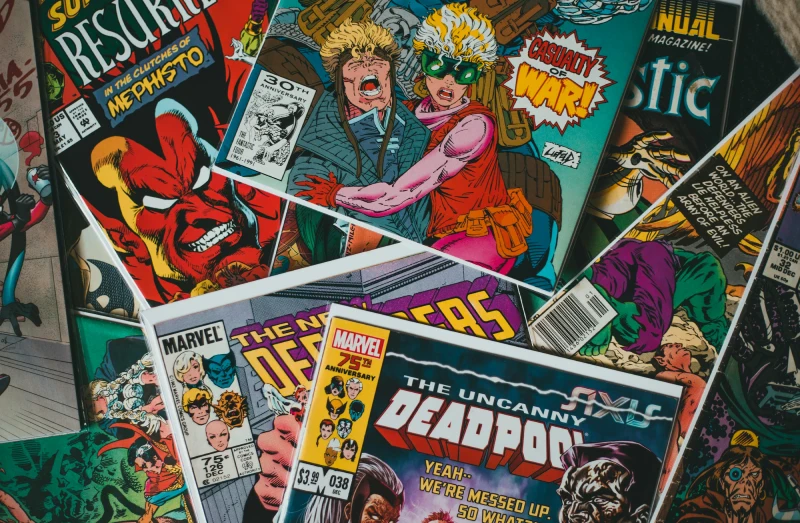
For five decades, Fantagraphics has remained one of the boldest voices in independent publishing, shaping generations of readers, artists, and comic creators through fearless storytelling and uncompromising creative vision. As Fantagraphics Looks Back on Half a Century, the company’s anniversary stands as more than a celebration of longevity. It reflects a rare achievement in modern publishing: surviving industry collapse, changing reader habits, and evolving markets while staying true to artistic identity.
The story behind this Fantagraphics anniversary publishing news 2026 moment is deeply rooted in creative rebellion. Few companies reach a milestone of this scale while maintaining the same independent spirit that first defined their mission. This Fantagraphics publishing milestone celebration has drawn attention across the literary and comics world, especially among readers who recognize the publisher’s lasting role in reshaping graphic storytelling. For many industry observers, this remains one of the latest Fantagraphics comics publishing news stories that genuinely reflects the evolution of modern publishing culture.
The Fantagraphics publishing company history traces back to 1976, when Gary Groth and Michael Catron transformed a small comics newsletter into The Comics Journal, a publication determined to challenge the standards of the industry at the time. What started as criticism and commentary soon became something far bigger.
At a time when mainstream comics dominated shelves and creator recognition remained limited, the founders began building what would later become an independent comics publisher Fantagraphics readers and artists deeply respected. The company emerged during a difficult era for creators, yet it continued pushing artistic boundaries while demanding greater seriousness toward comics as a legitimate art form.
The early years of Fantagraphics comic books publishing history were driven less by commercial strategy and more by belief in the medium itself. Gary Groth famously recalled that the company simply had “a printer and a barn,” but that modest setup eventually helped launch one of the most respected names in alternative publishing.
For newer readers wondering what is Fantagraphics known for, the answer extends beyond publishing comic books. The company became associated with creative freedom, editorial courage, and a willingness to publish stories that many larger publishers would never consider. Its rise also mirrored the broader publishing evolution of comic books, especially as graphic novels gradually gained legitimacy within bookstores, universities, and literary discussions.
As the company expanded, the Fantagraphics graphic novels legacy became closely tied to some of the most influential independent comics ever produced. Fantagraphics gave creators room to experiment with storytelling styles, social commentary, personal narratives, and unconventional artistic approaches that helped redefine audience expectations.
The publisher’s catalogue introduced readers to groundbreaking titles such as Love and Rockets by the Hernández brothers, Eight Ball by Dan Clowes, and Hate by Peter Bagge. These works played a major role in the Fantagraphics contribution to comics industry conversations that still continue today.
Many critics believe these projects fundamentally changed how alternative comics were perceived. Discussions surrounding why Fantagraphics changed comic publishing often focus on the company’s refusal to follow mainstream formulas. Instead, it invested in creators whose work carried strong personal identity, artistic experimentation, and social depth.
Today, Fantagraphics continues to stand among the influential comic book publishers 2026 readers and collectors still admire for originality rather than commercial imitation. The publisher also helped preserve numerous classic comics from Fantagraphics archives through carefully restored editions and historical collections that introduced older works to modern audiences.
Its reputation for curating award winning comics Fantagraphics fans celebrate globally has strengthened the company’s cultural standing far beyond niche comic readerships. Many literary critics now place Fantagraphics alongside publishers that helped elevate graphic novels into respected literary and artistic spaces rather than limiting them to entertainment categories alone.
One of the most important chapters in the company’s growth came through the work of Kim Thompson, whose editorial vision helped expand the reach of Fantagraphics published authors and artists beyond the American market. His influence introduced readers to international creators whose work may never have reached English-speaking audiences otherwise.
As graphic storytelling gained recognition worldwide, Fantagraphics positioned itself within emerging international graphic novel publishing trends by publishing translated works and preserving influential comics from different cultures. This decision helped strengthen the global popularity of Fantagraphics comics among readers searching for more artistic and literary storytelling experiences.
Over time, the publisher established itself among the top graphic novel publishers worldwide, particularly for audiences drawn toward alternative narratives, artistic experimentation, and creator-driven work. Its catalogue attracted global readers of independent comics who viewed Fantagraphics not simply as a publisher, but as a curator of influential visual literature.
The company’s reputation also reflects the broader Fantagraphics history and legacy publishing industry discussions surrounding independent publishing and artistic freedom. While larger corporations often focused on commercial franchises, Fantagraphics remained committed to voices that challenged norms and expanded the creative possibilities of comics.
Surviving Industry Collapse, Financial Crises, and Changing Markets
Longevity in publishing rarely comes without hardship, and the story behind Fantagraphics 50 years publishing success includes decades of financial pressure, market uncertainty, and industry-wide disruption. Yet the publisher continued finding ways to survive while protecting its creative identity.
Within conversations surrounding independent publishers shaping comic industry, Fantagraphics is often recognized for enduring challenges that forced many smaller companies to shut down. From distributor collapses to changing consumer habits, the company faced repeated setbacks that tested its future.
The modern comic book publishing industry trends 2026 landscape looks dramatically different from the environment Fantagraphics entered in the 1970s. Digital retail, crowdfunding, collector markets, and bookstore expansion have transformed how graphic novels reach readers. Despite these changes, Fantagraphics maintained relevance by adapting without abandoning its artistic standards.
The publisher’s resilience also mirrors the broader comic publishing market growth 2026 conversations happening across the literary industry today. Graphic novels continue gaining academic, mainstream, and international recognition, opening opportunities for publishers that once operated on the fringes of traditional media.
Many industry analysts now place Fantagraphics among the most respected independent publishing industry leaders because of its ability to remain culturally influential while navigating decades of instability.
Today, the Fantagraphics impact on comic publishing can be seen across independent graphic novels, literary comics, archival editions, and creator-focused publishing models. The company’s willingness to prioritize artistic voice over market conformity helped inspire a new generation of publishers and creators.
The ongoing Fantagraphics influence on modern publishing extends beyond comics alone. Its editorial philosophy contributed to the acceptance of graphic novels within mainstream bookstores, literary criticism, educational spaces, and cultural conversations around visual storytelling.
As the growth of graphic novel publishing market continues worldwide, Fantagraphics remains one of the defining names associated with artistic credibility and independent publishing history. Its Seattle headquarters, bookstore, and gallery space continue serving as creative hubs for artists and readers passionate about alternative comics culture.
Within the broader worldwide comic book publishing industry, few companies possess a reputation built so heavily on cultural influence rather than commercial spectacle. That is why Fantagraphics continues to stand among the legendary comic publishers in America decades after its founding.
For readers exploring the publisher for the first time, there are countless best Fantagraphics books to read, from underground classics to modern literary graphic novels. Many fans still recommend discovering the must read graphic novels by Fantagraphics that helped redefine independent storytelling for modern audiences.
Collectors and new readers alike continue searching for recommended graphic novels from Fantagraphics, particularly titles that showcase the company’s experimental creative identity. Whether exploring the top Fantagraphics graphic novels or searching for the best Fantagraphics books to buy 2026, readers will find a catalogue filled with works that challenged conventions and reshaped visual literature.
In a publishing world driven increasingly by algorithms and commercial predictability, Fantagraphics remains proof that daring creative risks still matter. For generations of comic books readers should discover independent storytelling, the company’s catalogue remains essential reading. Its influence also continues inspiring top independent comics for collectors who value artistic originality over mass-market formulas.
Source: “Fantagraphics Looks Back on Half a Century, May 22, 2026.” Read more at Publishers Weekly