Published May 26, 2026 · The Digital Desk, America Publishers
Claire Vaye Watkins’s Desert Solitaire and the Future of Environmental Fiction
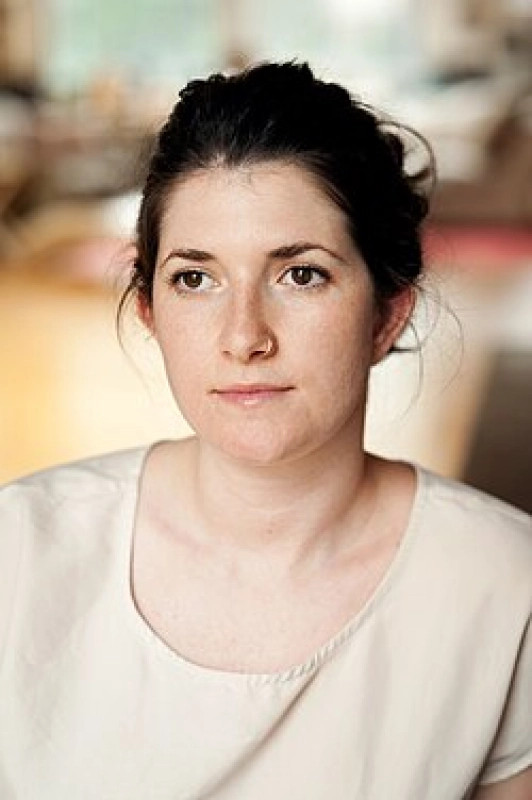
The literary world is paying close attention to the latest Claire Vaye Watkins profile circulating through publishing circles. The recent Claire Vaye Watkins Desert Solitaire article 2026 explores far more than a novelist promoting another release. Through the latest Claire Vaye Watkins interview Desert Solitaire 2026, readers are introduced to a writer confronting grief, climate collapse, memory, and survival through the unforgiving beauty of the American desert. The feature, published as a Publishers Weekly author spotlight Claire Vaye Watkins, positions Watkins at the center of an evolving literary conversation where emotional storytelling and environmental anxiety now exist side by side. For readers still wondering what is Desert Solitaire article about, the answer lies somewhere between literary journalism, ecological reflection, and personal reckoning.
Set against the scorched stillness of Tecopa, California, the feature transforms landscape into emotion. The discussion surrounding Mojave Desert literature Claire Vaye Watkins reveals how the desert in Watkins’s work behaves less like scenery and more like a living witness to human conflict. Across her fiction, the silence of the Mojave becomes deeply connected to identity, loneliness, survival, and inherited trauma. That emotional depth is helping shape a new era of American West desert storytelling modern fiction, where environmental settings are no longer passive backgrounds but active forces influencing every relationship and decision. In Watkins’s hands, isolation becomes intimacy, and the desert becomes a language of its own.
What makes the feature especially compelling is the way it blends fiction with emotional realism. The article highlights Watkins’s connection to the fragile ecosystems surrounding Death Valley while reinforcing the growing importance of literary nonfiction desert writing Claire Vaye Watkins within contemporary publishing. The emotional atmosphere surrounding the feature also strengthens interest in the Desert Solitaire American West literature article, particularly among readers searching for literary work that reflects climate uncertainty without losing emotional humanity. Rather than romanticizing destruction, Watkins presents nature as wounded, sacred, and frighteningly vulnerable.
Much of that emotional tension carries directly into Yellow Pine novel Claire Vaye Watkins 2026, a project already attracting major literary attention before release. The novel reportedly follows themes connected to environmental devastation, fractured relationships, and ecological activism unfolding across the Mojave region. What elevates the conversation beyond ordinary literary promotion is the way the story intersects with real-world fears. The feature’s discussion of solar farms replacing fragile desert habitats reinforces the broader climate change themes Desert Solitaire article readers have been analyzing online since the profile appeared.
At the same time, the profile demonstrates the rising importance of environmental storytelling Claire Vaye Watkins interview discussions across modern literary media. Publishing audiences are increasingly drawn toward fiction that explores ecological anxiety through intimate human experiences rather than political slogans. That shift is helping fuel wider publishing trends environmental literature 2026, especially among younger readers seeking emotionally grounded narratives about survival, identity, and environmental collapse. Watkins’s work enters that space with unusual honesty because it refuses easy optimism while still searching for moments of tenderness and connection.
The growing excitement surrounding the novel also reflects the increasing popularity of the modern environmental fiction reading list trend appearing across literary blogs, independent bookstores, and publishing platforms. Readers searching for fiction rooted in landscape, emotional depth, and climate consciousness are now rediscovering authors whose work examines the psychological impact of environmental decline. Watkins’s latest profile places her firmly within that conversation while expanding her reputation beyond traditional literary fiction audiences.
Long before this latest wave of attention, Watkins had already established herself as one of the most distinctive voices in American literary fiction. The ongoing Claire Vaye Watkins literary career update 2026 conversation frequently returns to the influence of her earlier works and the personal history threaded throughout them. From the haunting intensity of Claire Vaye Watkins Battleborn Gold Fame Citrus to the emotional fragmentation explored in her later novels, her writing consistently challenges readers to confront uncomfortable truths about memory, family, and the American West.
The recent profile also renews attention around the larger Claire Vaye Watkins award winning writer profile that has followed her career since the release of Battleborn. Literary audiences continue revisiting her rise through major publishing circles, especially as newer readers discover her work through this current wave of environmental discussion. That renewed interest is also strengthening searches for the broader Claire Vaye Watkins American novelist interview landscape, where readers are increasingly drawn not only to her fiction but to her reflections on publishing culture, identity, and artistic independence.
Beyond the environmental themes, the renewed attention surrounding Watkins also highlights her position among contemporary American fiction authors list discussions that continue shaping modern literary culture. Her work often resists clean categorization, moving between autobiography, speculative fiction, literary realism, and cultural criticism without losing emotional clarity. That unpredictability has become central to her literary identity and part of the reason readers continue revisiting her work years after publication.
The profile also revives conversations around Claire Vaye Watkins Desert Solitaire Publishers Weekly news, particularly because the feature arrives during a period when literary journalism itself is becoming increasingly influential online. Readers no longer engage only with book releases; they engage with author philosophies, emotional histories, and creative environments. That shift is helping expand interest in the broader literary journalism author interview 2026 space, where profiles function almost like cultural essays rather than promotional articles.
At the same time, Watkins’s latest feature reflects wider demand for modern literary fiction author profiles US audiences actively seek across publishing platforms. Readers are increasingly drawn toward authors whose work feels emotionally urgent and socially reflective without sounding manufactured for trends. The growing commercial and editorial focus on American West literature publishing news also demonstrates how regional storytelling is evolving into a larger conversation about climate, displacement, and modern American identity.
Many literary observers have also revisited discussions surrounding the Claire Vaye Watkins Pulitzer recognized author profile narrative that has followed her throughout her career. Even when her work divides readers, critics consistently acknowledge the emotional force and stylistic boldness behind her writing. That ability to provoke difficult conversations without losing artistic depth has helped distinguish Watkins from many writers operating within contemporary literary fiction.
For newer audiences discovering her work through the recent feature, curiosity has naturally expanded toward the best Claire Vaye Watkins books to read 2026. Readers interested in emotionally charged literary fiction often begin with Battleborn before moving toward Gold Fame Citrus or I Love You but I’ve Chosen Darkness. Others are searching for authors similar to Claire Vaye Watkins in hopes of finding fiction that balances emotional vulnerability with environmental unease and sharply observed landscapes.
The feature has also encouraged broader conversations around the Desert Solitaire meaning and literary context connected to desert-centered storytelling itself. In modern literature, deserts increasingly symbolize emotional exposure, societal collapse, survival, and reflection rather than emptiness. That symbolism continues driving interest in American desert literature books recommendations, particularly among readers drawn toward fiction that examines humanity’s relationship with damaged environments and emotional isolation.
With literary communities continuing to circulate excerpts and discussions online, the feature has quickly become part of the latest news about Claire Vaye Watkins books conversation shaping contemporary publishing spaces. Much of that attention stems from the way Watkins merges deeply personal storytelling with larger ecological fears without sacrificing literary complexity. Her work does not offer simple solutions, but it does force readers to confront uncomfortable realities hiding beneath modern convenience and technological expansion.
For those still discovering who is Claire Vaye Watkins 2026 profile discussions, the answer extends far beyond award-winning literary success. Watkins represents a generation of writers transforming environmental grief into emotionally intimate storytelling. The emotional intensity surrounding Claire Vaye Watkins writing style desert themes discussions reflects how strongly her fiction resonates with readers searching for literature that feels intellectually sharp yet deeply human.
That emotional connection also explains the rising interest in environmental literature Desert Solitaire analysis discussions appearing across literary blogs and publishing circles. Readers are not simply responding to climate themes themselves but to the way Watkins links environmental destruction with loneliness, inheritance, memory, and desire. The result is fiction that feels psychologically immediate rather than politically performative.
As literary audiences continue unpacking the emotional and thematic layers behind the feature, interest surrounding Desert Solitaire literary analysis explained searches will likely continue growing. Watkins’s work reminds readers that landscapes are never just landscapes. They absorb memory, violence, survival, longing, and history. In her world, the desert is not empty at all. It is alive with consequence.
Source: “Claire Vaye Watkins’s Desert Solitaire, May 22, 2026.” Read more at PublishersWeekly.com