
Published May 20, 2026
‘Taiwan Travelogue’ Wins the 2026 International Booker Prize
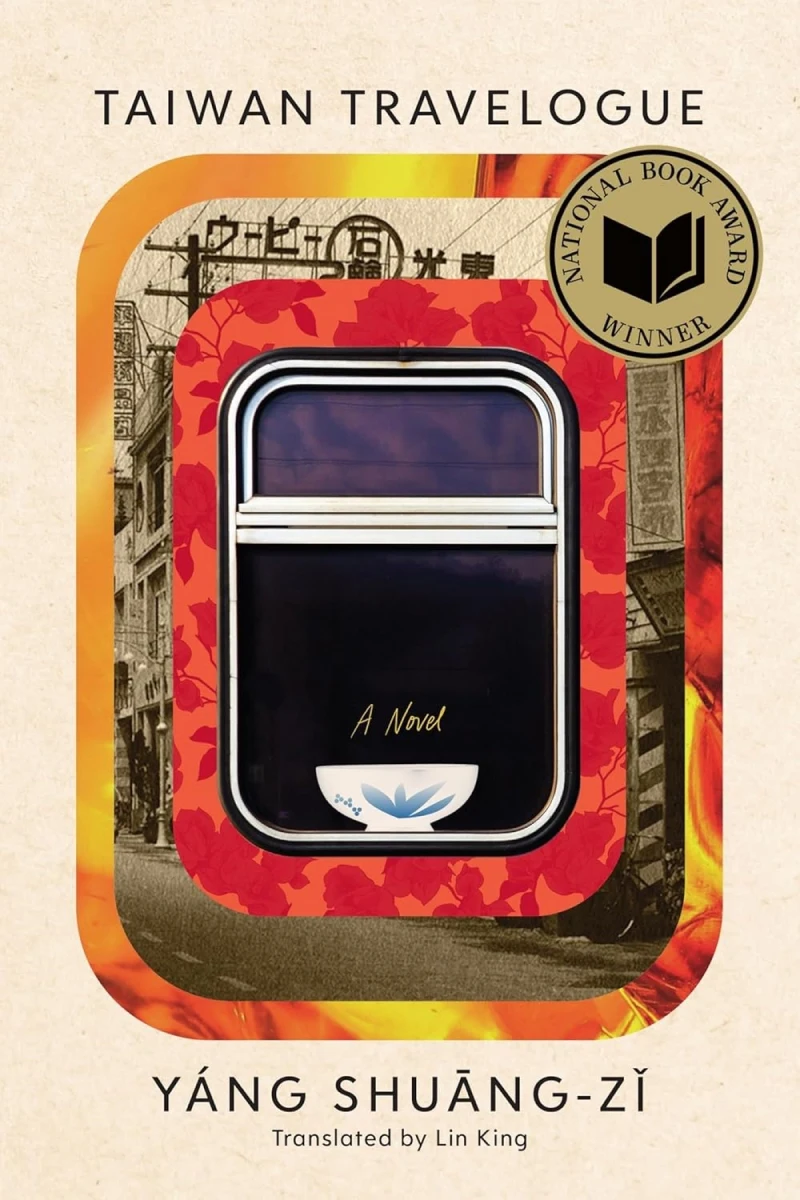
The global literary world turned its attention to London this week as Taiwan Travelogue was named the International Booker Prize 2026 winner during a ceremony held at Tate Modern. Written by Yáng Shuāng-zǐ and translated from Mandarin Chinese by Lin King, the novel has quickly become one of the most discussed works in contemporary literary fiction. The achievement marks a historic moment for translated storytelling, with Taiwan Travelogue wins International Booker Prize becoming one of the publishing industry’s biggest headlines this year.
The recognition is especially significant because the novel is now officially the International Booker Prize 2026 winner and the first work translated from Mandarin Chinese to receive the prestigious award. The victory also positions Yáng Shuāng-zǐ International Booker winner among the most searched literary discussions across global publishing circles. Literary critics, publishers, and readers alike are celebrating the novel for expanding international attention toward Asian literary voices and multilingual storytelling.
Originally published in Mandarin Chinese in 2020, the novel had already received acclaim in Taiwan after winning the country’s Golden Tripod Award. However, the English edition introduced the story to a much broader audience and strengthened conversations surrounding translated literature global recognition. The novel’s international success demonstrates how literary translation continues to reshape modern publishing, particularly as readers increasingly seek stories beyond Western literary traditions.
At the center of the discussion surrounding the Taiwan Travelogue book is its unusual narrative structure and richly layered historical atmosphere. Presented as the rediscovered memoir of a Japanese writer traveling through occupied Taiwan in 1938, the story follows a culinary and cultural journey shaped by memory, identity, language, and colonial tension. The novel carefully blends fiction with historical reflection, allowing readers to experience Taiwan through multiple perspectives and emotional contradictions.
What makes Taiwan Travelogue by Yáng Shuāng-zǐ particularly compelling is the way it balances literary experimentation with emotional depth. The interpreter accompanying the traveler gradually becomes more than a guide, creating elements often associated with historical romance translated fiction. At the same time, the novel examines imperial influence, cultural identity, and social hierarchy, making it one of the most talked-about postcolonial fiction books of recent years.
Critics have also praised the work for its ambitious structure. Framed through introductions, annotations, and layered afterwords, the novel fits naturally within the category of metafictional historical novels. Beneath its literary complexity, however, lies an intimate exploration of identity and belonging. Themes connected to communication and authority place the work among notable books about language and power, while its historical setting has drawn interest from readers searching for thoughtful books about colonial Taiwan.
The growing popularity of the novel has also contributed to increased visibility for modern Taiwanese fiction in English-language markets. As international readers continue discovering East Asian literary voices, the success of Taiwan Travelogue translated novel reflects a larger shift toward globally connected reading communities and stronger appreciation for literary works crossing linguistic and cultural boundaries.
The success of Taiwan Travelogue International Booker Prize 2026 represents more than a literary achievement for a single novel. It marks a major cultural milestone for Taiwanese literature in English and highlights the growing influence of Asian storytelling within the global publishing industry. With this win, Yáng Shuāng-zǐ officially becomes the first Taiwanese author wins Booker Prize headline in the award’s history, opening new visibility for literary voices emerging from Taiwan.
The novel’s recognition has also renewed discussions surrounding Mandarin Chinese translated fiction and the increasing demand for internationally accessible literature. In recent years, readers have shown stronger interest in works that reflect regional histories, political complexity, and culturally specific storytelling styles. The continued success of International Booker translated books demonstrates how translation is no longer viewed as a niche literary category but as an essential part of contemporary reading culture.
For many literary observers, the novel now stands among the most important award winning translated novels of the decade. Critics have pointed to its emotional nuance, layered narrative design, and historical depth as reasons the book resonated beyond regional audiences. The recognition also contributes to broader conversations around global literary awards 2026 and the role such honors play in introducing international readers to overlooked literary traditions.
Much of the novel’s international success has also been credited to Lin King, whose work has drawn praise throughout the publishing industry. Discussions surrounding the Lin King translator International Booker Prize achievement have emphasized the increasingly visible role translators play in shaping literary reception across cultures.
Already recognized as a translated fiction award winner, King approached the project with a highly experimental style that preserved the complexity of the original text while allowing English-language readers to experience its layered voice and structure. Her work has since become central to conversations surrounding the best translated books 2026, particularly among readers and critics focused on innovative literary translation.
The translation process itself embraced multilingual formatting, annotations, and unconventional literary techniques, helping the novel earn recognition as a major international fiction prize winner. The collaboration between author, translator, and publisher ultimately transformed the novel into one of the year’s most discussed literary releases.
Beyond the award itself, the novel’s success signals a larger shift within contemporary publishing. Readers are increasingly searching for stories that move beyond familiar cultural perspectives, leading to greater interest in powerful translated novels to read and internationally recognized literary fiction. As a result, Taiwan Travelogue is now frequently appearing on recommendation lists featuring the best literary fiction books 2026.
Its growing influence also places the novel among the global books readers should know, particularly for audiences interested in historical fiction, political storytelling, and cross-cultural narratives. For readers exploring books about Taiwan history or searching for must read award winning books, the novel offers both literary sophistication and emotional resonance.
The achievement additionally reflects the importance of independent publishing support within international literature. Sheffield-based publisher And Other Stories secured consecutive Booker victories, contributing to wider conversations around major book awards 2026 and the rise of smaller presses championing translated voices. The recognition further strengthens global author recognition for writers bringing regional histories to international audiences.
As conversations surrounding international storytelling continue evolving, authors like Yáng Shuāng-zǐ are increasingly viewed among the authors shaping world literature today. Through thoughtful literary coverage platforms such as Author Spotlight literary news and international author spotlight features, more readers are discovering stories that challenge perspectives and expand cultural understanding. For readers following literary publishing through America Publishers Author Spotlight, the rise of globally celebrated translated fiction may be one of the most exciting developments shaping modern literature today.
Source: “Taiwan Travelogue Wins International Booker Prize, May 20, 2026.” Read more at PublishersWeekly.com.