

Published on August 17, 2026
Some people walk into a room and immediately take charge. Others quietly notice everything, speak only when necessary, and remember details everyone else misses. What creates such differences? More often than not, the answer lies in their character traits.
These qualities shape how a person thinks, responds, communicates, makes decisions, and treats the people around them. A confident person may volunteer to lead, while a cautious person studies every possible outcome first. Someone can be generous with friends but fiercely competitive at work. That is what makes human behavior, and fictional personalities, so interesting.
This guide offers a practical list of character traits for writers developing fictional personalities, students analyzing literature, teachers planning activities, role-playing enthusiasts creating new identities, and anyone searching for more accurate ways to describe people. It includes familiar words alongside specific, unusual, and easily overlooked qualities.
You will find hundreds of positive character traits associated with kindness, courage, discipline, honesty, creativity, and emotional strength. You will also discover negative character traits that can generate tension, mistakes, conflict, and personal growth. A third category covers neutral qualities whose effects depend largely on the person, situation, and perspective.
Remember, people rarely fit neatly into a single category. Confidence can become arrogance, caution can turn into fear, and stubbornness can sometimes look remarkably similar to determination. The most believable character traits often exist somewhere between strength and weakness.
Use this guide as a word bank, a writing resource, or a starting point for understanding the complicated qualities that make every person different.
What Are Character Traits, and Why Do They Matter?
Character traits are lasting qualities that influence how someone generally thinks, feels, behaves, and interacts with others. Words such as compassionate, impatient, diplomatic, impulsive, observant, and secretive describe tendencies that may appear repeatedly across different situations.
A trait is not quite the same as an emotion. A person may feel angry after receiving bad news, but that does not automatically make them hot-tempered. Emotions are usually temporary responses, while character traits form recognizable patterns over time. Habits describe repeated actions, values represent what someone believes is important, and physical features explain appearance rather than personality.
The distinction becomes especially useful in storytelling. Saying that a protagonist is “fearful” gives the reader a label. Showing her checking every exit, rehearsing conversations, and avoiding uncertain situations turns that quality into believable behavior. Traits affect what a person notices, what they want, what they fear, and what they are willing to do to reach a goal.
A balanced list of character traits should not divide everyone into good and bad people. Admirable qualities can create problems when taken too far. Loyalty may keep someone in a harmful relationship, honesty can become tactlessness, and ambition may lead to unhealthy sacrifice. Similarly, qualities commonly included among negative character traits can occasionally protect someone. Suspicion may prevent deception, while stubbornness can help a person resist unfair pressure.
Even positive character traits become more convincing when paired with limitations. A brave leader might be impatient, a generous friend might need approval, and an intelligent detective might struggle to trust others. These combinations create contradictions, and contradictions make people feel real.
Ultimately, traits matter because they connect personality to behavior. They help readers understand not only what someone does, but why that person is likely to do it.
The Complete List of 1000+ Character Traits
Below is a collection of 1,001 distinct character traits and personality descriptors, divided into 350 positive, 350 negative, and 301 neutral qualities. Some words can change meaning depending on motivation, intensity, culture, and situation, but each has been placed according to its most common use. This collection includes traditional character traits alongside behavioral tendencies, communication styles, motivations, habits, and personality-related preferences.
350 Positive Character Traits
- Able
- Accepting
- Accommodating
- Accomplished
- Accountable
- Active
- Adaptable
- Adept
- Admirable
- Adventurous
- Affable
- Affectionate
- Agile
- Agreeable
- Alert
- Altruistic
- Ambitious
- Amiable
- Analytical
- Appreciative
- Approachable
- Articulate
- Artistic
- Assertive
- Assiduous
- Attentive
- Authentic
- Autonomous
- Aware
- Balanced
- Benevolent
- Big-hearted
- Bold
- Brave
- Bright
- Broad-minded
- Buoyant
- Calm
- Candid
- Capable
- Caring
- Careful
- Charismatic
- Charitable
- Charming
- Cheerful
- Civil
- Clear-headed
- Clever
- Collaborative
- Committed
- Compassionate
- Competent
- Composed
- Conciliatory
- Confident
- Conscientious
- Considerate
- Consistent
- Constructive
- Cooperative
- Courageous
- Courteous
- Creative
- Credible
- Curious
- Daring
- Decent
- Decisive
- Dedicated
- Dependable
- Determined
- Devoted
- Diligent
- Diplomatic
- Discerning
- Disciplined
- Discreet
- Dutiful
- Dynamic
- Eager
- Easygoing
- Efficient
- Eloquent
- Empathetic
- Encouraging
- Energetic
- Engaging
- Enterprising
- Enthusiastic
- Equitable
- Ethical
- Even-tempered
- Expressive
- Fair
- Faithful
- Farsighted
- Fearless
- Flexible
- Focused
- Forgiving
- Forthright
- Friendly
- Frugal
- Fun-loving
- Gallant
- Generous
- Gentle
- Genuine
- Giving
- Good-humored
- Good-natured
- Gracious
- Grateful
- Grounded
- Hardworking
- Helpful
- Heroic
- Honest
- Honorable
- Hopeful
- Hospitable
- Humble
- Humorous
- Idealistic
- Imaginative
- Impartial
- Independent
- Industrious
- Insightful
- Inspiring
- Intelligent
- Intuitive
- Inventive
- Joyful
- Judicious
- Just
- Keen
- Kind
- Kind-hearted
- Knowledgeable
- Law-abiding
- Level-headed
- Light-hearted
- Logical
- Loving
- Loyal
- Magnanimous
- Mature
- Methodical
- Meticulous
- Mindful
- Modest
- Motivated
- Neighborly
- Noble
- Nonjudgmental
- Nurturing
- Objective
- Observant
- Open-hearted
- Open-minded
- Optimistic
- Orderly
- Organized
- Original
- Passionate
- Patient
- Peaceable
- Perceptive
- Persevering
- Persistent
- Persuasive
- Playful
- Pleasant
- Polite
- Practical
- Principled
- Proactive
- Productive
- Protective
- Prudent
- Punctual
- Purposeful
- Quick-thinking
- Rational
- Realistic
- Reassuring
- Receptive
- Reflective
- Reliable
- Resilient
- Resourceful
- Respectful
- Responsible
- Self-aware
- Self-controlled
- Self-disciplined
- Selfless
- Sensible
- Sensitive
- Sincere
- Skillful
- Sociable
- Steadfast
- Strategic
- Supportive
- Sympathetic
- Tactful
- Teachable
- Tenacious
- Thorough
- Thoughtful
- Tolerant
- Trustworthy
- Truthful
- Unassuming
- Understanding
- Unflappable
- Unpretentious
- Uplifting
- Valiant
- Versatile
- Vigilant
- Virtuous
- Visionary
- Warm
- Warm-hearted
- Welcoming
- Well-mannered
- Willing
- Wise
- Witty
- Zealous
- Zestful
- Abstemious
- Accessible
- Accurate
- Acquiescent
- Adroit
- Advocating
- Amicable
- Animated
- Apologetic
- Aspiring
- Assuring
- Astute
- Audacious
- Benevolent-minded
- Businesslike
- Chivalrous
- Civic-minded
- Communicative
- Companionable
- Confiding
- Congenial
- Considerate-minded
- Contemplative
- Convincing
- Cordial
- Cultured
- Dauntless
- Deliberate
- Earnest
- Educated
- Emotionally intelligent
- Empowering
- Enduring
- Enlightened
- Entertaining
- Exact
- Exemplary
- Experienced
- Facilitative
- Frank
- Free-spirited
- Generative
- Good-hearted
- Graceful
- Gratifying
- Harmonious
- Heedful
- Imperturbable
- Inclusive
- Incorruptible
- Ingenious
- Inquisitive
- Intentional
- Jovial
- Just-minded
- Lenient
- Literate
- Merciful
- Open-handed
- Peace-loving
- Plucky
- Positive-minded
- Prepared
- Proficient
- Progressive
- Public-spirited
- Reasonable
- Refined
- Relaxed
- Resolute
- Responsive
- Reverent
- Sacrificing
- Scrupulous
- Self-reliant
- Service-minded
- Sharp-witted
- Spirited
- Stable
- Studious
- Tender
- Tender-hearted
- Unbiased
- Undaunted
- Upbeat
- Valorous
- Venturesome
- Well-intentioned
- Wholehearted
- Accomplishment-driven
- Affirming
- Calm-minded
- Community-minded
- Dependably honest
- Emotionally resilient
- Fair-minded
- Forward-looking
- Growth-oriented
- Highly principled
- Humane
- Imaginatively gifted
- Morally courageous
- Other-centered
- People-oriented
- Quietly confident
- Solution-focused
- Strong-minded
- Team-oriented
- Temperate
- Uncomplaining
- Unselfish
- Well-adjusted
- Well-informed
- Well-meaning
- Worthy
350 Negative Character Traits
- Abrasive
- Abusive
- Accusatory
- Acquisitive
- Addiction-prone
- Aggressive
- Aimless
- Aloof
- Amoral
- Antagonistic
- Apathetic
- Apprehensive
- Argumentative
- Arrogant
- Artificial
- Attention-seeking
- Authoritarian
- Avoidant
- Backbiting
- Belligerent
- Bitter
- Boastful
- Bossy
- Brazen
- Brutal
- Bullying
- Calculating
- Callous
- Cantankerous
- Careless
- Catty
- Caustic
- Censorious
- Childish
- Clingy
- Closed-minded
- Cold-hearted
- Combative
- Complacent
- Compulsive
- Conceited
- Condemnatory
- Condescending
- Conformist
- Conniving
- Controlling
- Corrupt
- Cowardly
- Crafty
- Crass
- Critical
- Cruel
- Cynical
- Deceitful
- Deceptive
- Defensive
- Defiant
- Demanding
- Dependent
- Destructive
- Devious
- Dictatorial
- Dishonest
- Disloyal
- Dismissive
- Disobedient
- Disorderly
- Disrespectful
- Disruptive
- Domineering
- Double-dealing
- Dramatic
- Egotistical
- Envious
- Erratic
- Evasive
- Exploitative
- Faithless
- Fanatical
- Fatalistic
- Finicky
- Flaky
- Foolish
- Forgetful
- Fraudulent
- Frivolous
- Gloomy
- Gluttonous
- Greedy
- Grouchy
- Grudging
- Gullible
- Harsh
- Hateful
- Haughty
- Hedonistic
- Hostile
- Hypocritical
- Idle
- Ignorant
- Ill-mannered
- Illogical
- Immature
- Impatient
- Impulsive
- Inconsiderate
- Inconsistent
- Indecisive
- Indifferent
- Inflexible
- Insecure
- Insensitive
- Insincere
- Intolerant
- Intrusive
- Irresponsible
- Irritable
- Jealous
- Judgmental
- Lazy
- Lecherous
- Loud-mouthed
- Malicious
- Manipulative
- Materialistic
- Melodramatic
- Merciless
- Miserly
- Moody
- Nagging
- Narrow-minded
- Narcissistic
- Neglectful
- Nosy
- Obnoxious
- Obsessive
- Obstinate
- Overbearing
- Overcritical
- Overdramatic
- Overprotective
- Paranoid
- Passive-aggressive
- Patronizing
- Pessimistic
- Petty
- Phony
- Possessive
- Prejudiced
- Presumptuous
- Pretentious
- Prideful
- Provocative
- Quarrelsome
- Quick-tempered
- Rash
- Rebellious
- Reckless
- Resentful
- Rigid
- Rude
- Ruthless
- Sarcastic
- Scheming
- Secretive
- Self-absorbed
- Self-centered
- Self-destructive
- Self-important
- Selfish
- Shallow
- Shameless
- Short-tempered
- Sly
- Spiteful
- Stubborn
- Submissive
- Superficial
- Suspicious
- Tactless
- Temperamental
- Thoughtless
- Timid
- Treacherous
- Truculent
- Unaccountable
- Unappreciative
- Uncooperative
- Undependable
- Undisciplined
- Unfair
- Unforgiving
- Ungrateful
- Unreliable
- Unscrupulous
- Unstable
- Vain
- Vindictive
- Volatile
- Vulgar
- Wasteful
- Weak-willed
- Withdrawn
- Absent-minded
- Adversarial
- Agitated
- Alarmist
- Ambivalent
- Anger-prone
- Anxious
- Apologetic-to-a-fault
- Arbitrary
- Boorish
- Bothering
- Brooding
- Capricious
- Chauvinistic
- Clueless
- Coarse
- Competitive-to-a-fault
- Complaining
- Confrontational
- Contrarian
- Covetous
- Craven
- Credulous
- Crooked
- Disagreeable
- Discourteous
- Discriminatory
- Disingenuous
- Distrustful
- Dogmatic
- Duplicitous
- Easily discouraged
- Egocentric
- Emotionally unavailable
- Entitled
- Excessive
- Fawning
- Fickle
- Flippant
- Foolhardy
- Fractious
- Grasping
- Grumpy
- Habitually late
- Hard-hearted
- Headstrong
- Hypercritical
- Immodest
- Impractical
- Inattentive
- Incendiary
- Incompetent
- Indiscreet
- Inhibited
- Insatiable
- Insulting
- Intimidating
- Irrational
- Know-it-all
- Licentious
- Machiavellian
- Mean-spirited
- Meddlesome
- Mistrustful
- Morose
- Needy
- Negativistic
- Opportunistic
- Overconfident
- Overdependent
- Overindulgent
- Overly sensitive
- Perfectionistic
- Perverse
- Pompous
- Predatory
- Procrastinating
- Pugnacious
- Puritanical
- Reactionary
- Remorseless
- Repressive
- Retaliatory
- Scornful
- Self-deluding
- Self-pitying
- Smug
- Snobbish
- Spineless
- Stingy
- Sulky
- Sullen
- Temper-prone
- Unadaptable
- Uncommunicative
- Uncompromising
- Unconcerned
- Unethical
- Unfriendly
- Unhelpful
- Unkind
- Unmotivated
- Unreasonable
- Unrepentant
- Unresponsive
- Verbally aggressive
- Wary-to-a-fault
- Whiny
- Workaholic
- Abrupt
- Alienating
- Backstabbing
- Bad-tempered
- Blaming
- Coercive
- Cold-blooded
- Contemptuous
- Demoralizing
- Distracted
- Emotionally manipulative
- Fear-driven
- Grudge-holding
- Indulgent
- Invasive
- Irreverent
- Overcautious
- Overcompetitive
- Overcontrolling
- Self-righteous
- Short-sighted
- Status-obsessed
- Unapproachable
- Uncaring
- Uncharitable
- Uncivil
- Unempathetic
- Ungenerous
- Unprincipled
- Untrustworthy
- Verbose-to-a-fault
- Violent
- Willfully ignorant
- Wounding
- Zealously intolerant
- Emotionally reckless
- Power-hungry
- Two-faced
301 Neutral Character Traits
These qualities are strongly shaped by context. A neutral trait may function as a strength in one situation and a limitation in another.
- Academic
- Adventurous-minded
- Aloof-seeming
- Analytical-minded
- Anecdotal
- Demonstrative
- Ascetic
- Athletic
- Auditory
- Austere
- Bashful
- Bookish
- Business-minded
- Casual
- Cautious
- Cerebral
- Changeable
- Chatty
- Competitive
- Complex
- Conventional
- Cosmopolitan
- Cryptic
- Measured
- Detail-oriented
- Direct
- Dreamy
- Dry-humored
- Economical
- Emotional
- Enigmatic
- Experimental
- Extroverted
- Fashion-conscious
- Fast-paced
- Formal
- Freewheeling
- Gregarious
- Guarded
- Habitual
- High-spirited
- Home-loving
- Idiosyncratic
- Impressionable
- Intense
- Introverted
- Investigative
- Laid-back
- Literal
- Lone-wolf
- Low-key
- Meditative
- Minimalist
- Modern
- Mysterious
- Nostalgic
- Observational
- Old-fashioned
- Outspoken
- Particular
- Private
- Questioning
- Quiet
- Reserved
- Ritualistic
- Self-contained
- Sentimental
- Serious
- Soft-spoken
- Solitary
- Spontaneous
- Stoic
- Studious-minded
- Talkative
- Theoretical
- Traditional
- Unconventional
- Unpredictable
- Verbose
- Visual
- Whimsical
- Worldly
- Adaptable-to-routine
- Ambiverted
- Apolitical
- Aristocratic
- Art-focused
- Business-oriented
- Career-focused
- Ceremony-minded
- Challenging
- Circumspect
- Class-conscious
- Competitive-minded
- Conceptual
- Conservative
- Contemplative-minded
- Contradictory
- Custom-bound
- Data-driven
- Detached
- Discursive
- Domestic
- Earthy
- Eclectic
- Emotion-led
- Fact-focused
- Familial
- Fastidious
- Flamboyant
- Folksy
- Future-oriented
- Goal-oriented
- Habit-driven
- High-energy
- Independent-minded
- Informal
- Instinctive
- Intellect-driven
- Introspective
- Leisurely
- Matter-of-fact
- Nonconforming
- Opinionated
- Past-oriented
- Philosophical
- Plainspoken
- Pragmatic
- Predictable
- Process-oriented
- Question-driven
- Routine-oriented
- Rule-bound
- Self-directed
- Self-focused
- Slow-paced
- Social
- Status-conscious
- Structured
- Systematic
- Task-focused
- Technically minded
- Tradition-bound
- Unhurried
- Urban
- Verbally expressive
- Village-minded
- Work-focused
- Youthful
- Abstract-minded
- Action-oriented
- Adaptation-focused
- Affection-seeking
- Argumentative-minded
- Authority-conscious
- Boundary-conscious
- Broad-speaking
- Ceremony-loving
- Chronically curious
- Community-oriented
- Concrete-minded
- Conflict-avoidant
- Context-sensitive
- Convention-minded
- Detail-conscious
- Dialogue-driven
- Emotionally contained
- Evidence-oriented
- Expressive-minded
- Externally motivated
- Family-oriented
- Fantasy-prone
- Feeling-oriented
- Financially cautious
- Fixed-routine
- Future-minded
- Group-oriented
- Hands-on
- Hierarchy-conscious
- Highly selective
- Idea-oriented
- Image-conscious
- Internally motivated
- Leisure-oriented
- Logic-oriented
- Long-winded
- Media-conscious
- Memory-driven
- Mood-sensitive
- Nature-oriented
- Novelty-seeking
- Outcome-oriented
- Perfection-seeking
- Politically minded
- Privacy-conscious
- Professionally reserved
- Question-oriented
- Recognition-seeking
- Relationship-oriented
- Risk-aware
- Risk-taking
- Rule-conscious
- Security-focused
- Self-questioning
- Sensation-seeking
- Socially selective
- Spiritually minded
- Story-oriented
- Tradition-conscious
- Travel-minded
- Inexpressive
- Value-driven
- Vocally expressive
- Wandering
- Watchful
- Word-conscious
- Youth-minded
- Change-receptive
- Appearance-conscious
- Approval-sensitive
- Book-minded
- Boundary-testing
- Ceremony-focused
- Collecting
- Competitive-spirited
- Conversation-seeking
- Culture-conscious
- Emotionally expressive
- Environment-sensitive
- Experience-driven
- Exploration-minded
- Family-centered
- Fantasy-oriented
- Fashion-oriented
- Highly verbal
- History-minded
- Home-centered
- Image-oriented
- Information-seeking
- Intuition-led
- Knowledge-seeking
- Language-focused
- Legacy-minded
- Locally minded
- Memory-focused
- Movement-oriented
- Mystery-loving
- Object-focused
- Organization-minded
- Outdoors-oriented
- Pattern-seeking
- People-focused
- Performance-oriented
- Personally reserved
- Physically expressive
- Planning-oriented
- Pleasure-seeking
- Present-focused
- Process-driven
- Recognition-conscious
- Repetitive
- Results-oriented
- Risk-conscious
- Role-conscious
- Sensory-oriented
- Socially adaptable
- Socially cautious
- Solitude-seeking
- Space-conscious
- Status-aware
- Structure-seeking
- Symbolic-minded
- Technology-oriented
- Time-conscious
- Travel-oriented
- Trend-conscious
- Verbally reserved
- Work-oriented
- Achievement-focused
- Activity-driven
- Authority-oriented
- Cause-oriented
- Comfort-seeking
- Connection-seeking
- Detail-seeking
- Emotion-sensitive
- Familiarity-seeking
- Freedom-seeking
- Harmony-seeking
- Identity-conscious
- Independence-seeking
- Influence-seeking
- Privacy-seeking
- Routine-seeking
- Stability-seeking
- Stimulation-seeking
- Thought-oriented
- Time-oriented
- Variety-seeking
- Wonder-driven
- World-focused
The three categories above offer a foundation, but their boundaries remain flexible. A useful list of character traits presents possibilities rather than fixed verdicts. A reserved person may be thoughtful and observant or emotionally distant and difficult to understand. Similarly, a competitive person may inspire an entire team or turn every relationship into a contest.
Writers can make these qualities more effective by combining traits that interact with one another. Give a courageous person something meaningful to fear. Pair kindness with poor boundaries, discipline with emotional restraint, or curiosity with recklessness. Such contradictions prevent character traits from becoming lifeless labels.
It is also important to separate an underlying quality from its visible expression. Two ambitious people may behave very differently: one might work quietly for years, while the other openly seeks recognition. Both share ambition, but their values and supporting character traits determine how it appears.
When using positive character traits, consider what each strength costs the individual. When choosing negative character traits, explore where the flaw originated and whether it once served a useful purpose. Neutral qualities can add further texture through routines, preferences, communication styles, and ways of processing information.
The aim is not to fill a profile with as many words as possible. Instead, choose a small, connected group of qualities that can be demonstrated consistently while still leaving room for growth and surprise.
How to Choose Character Traits for Believable Characters
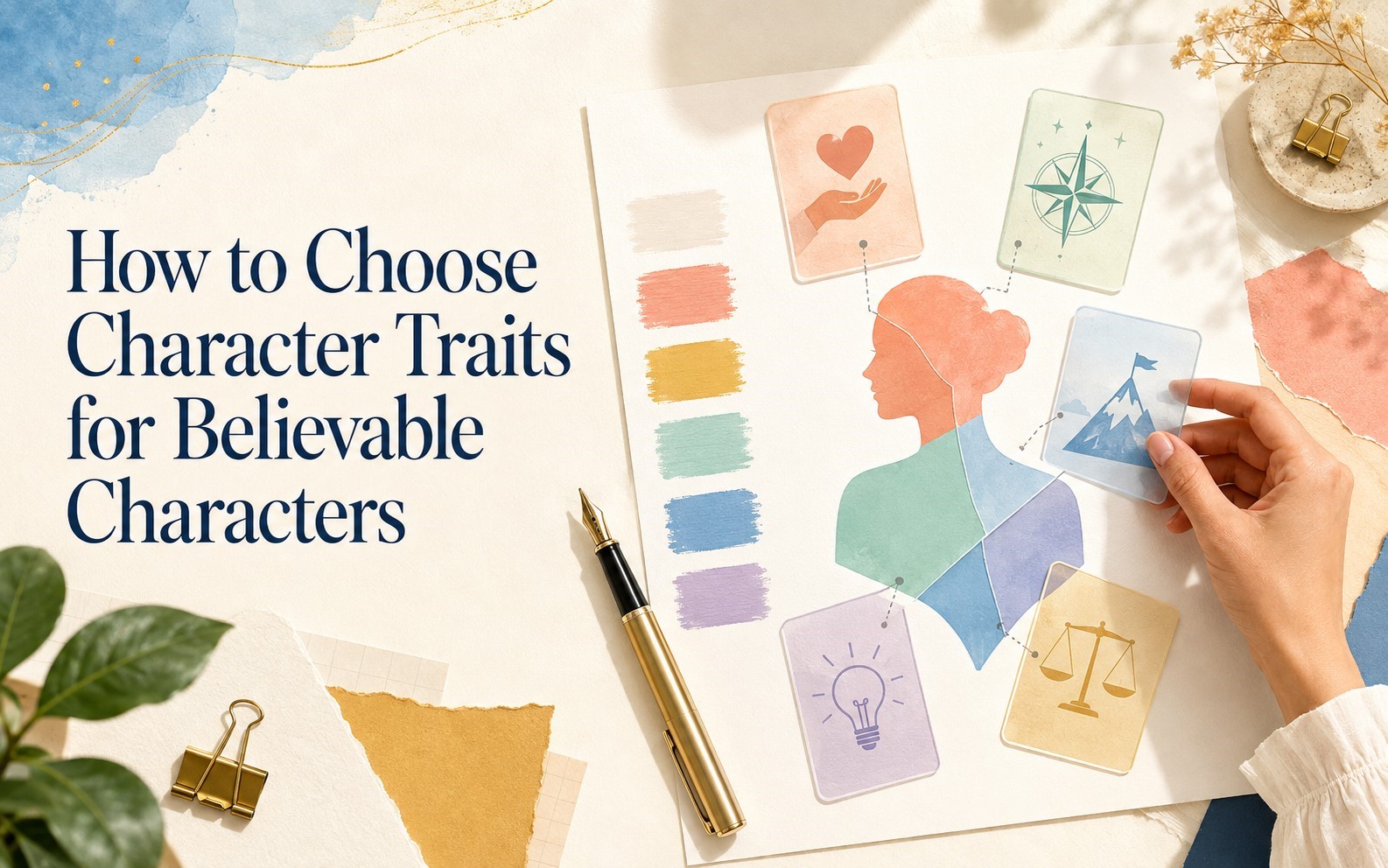
Choosing character traits is not about collecting as many interesting adjectives as possible. A believable person usually has a small number of dominant qualities that influence their decisions consistently. Begin with the character’s goal, fear, personal values, background, and central conflict. Then ask what qualities would naturally develop from those experiences.
A useful starting formula is:
Dominant quality + hidden weakness + social habit + response under pressure = a believable character
Imagine a doctor whose dominant quality is compassion. Her hidden weakness might be an intense need to feel useful, while her social habit is offering unsolicited advice. Under pressure, she becomes controlling. These connected qualities create someone far more convincing than a profile filled with random labels.
When reviewing a list of character traits, select one central quality, two or three supporting qualities, and at least one meaningful flaw. A protagonist might be courageous, loyal, observant, and deeply impatient. A villain could be ruthless yet disciplined, protective, and unexpectedly generous toward one person. This balance keeps heroes from becoming perfect and antagonists from feeling evil simply because the plot requires it.
Pairing positive character traits with limitations is especially effective. Confidence may cause someone to underestimate danger. Generosity might leave a person vulnerable to exploitation. Loyalty can keep someone committed to a harmful cause long after the truth becomes clear.
In the same way, negative character traits often become more convincing when they have understandable origins. Suspicion may come from betrayal, emotional distance from grief, and controlling behavior from a fear of helplessness. A reason does not excuse harmful conduct, but it adds psychological depth.
Most importantly, test your chosen character traits against difficult situations. Who does this person become when embarrassed, frightened, rejected, praised, or given power? Pressure reveals which qualities genuinely shape a character and which ones exist only on a planning sheet.
How to Show Character Traits Through Actions and Dialogue
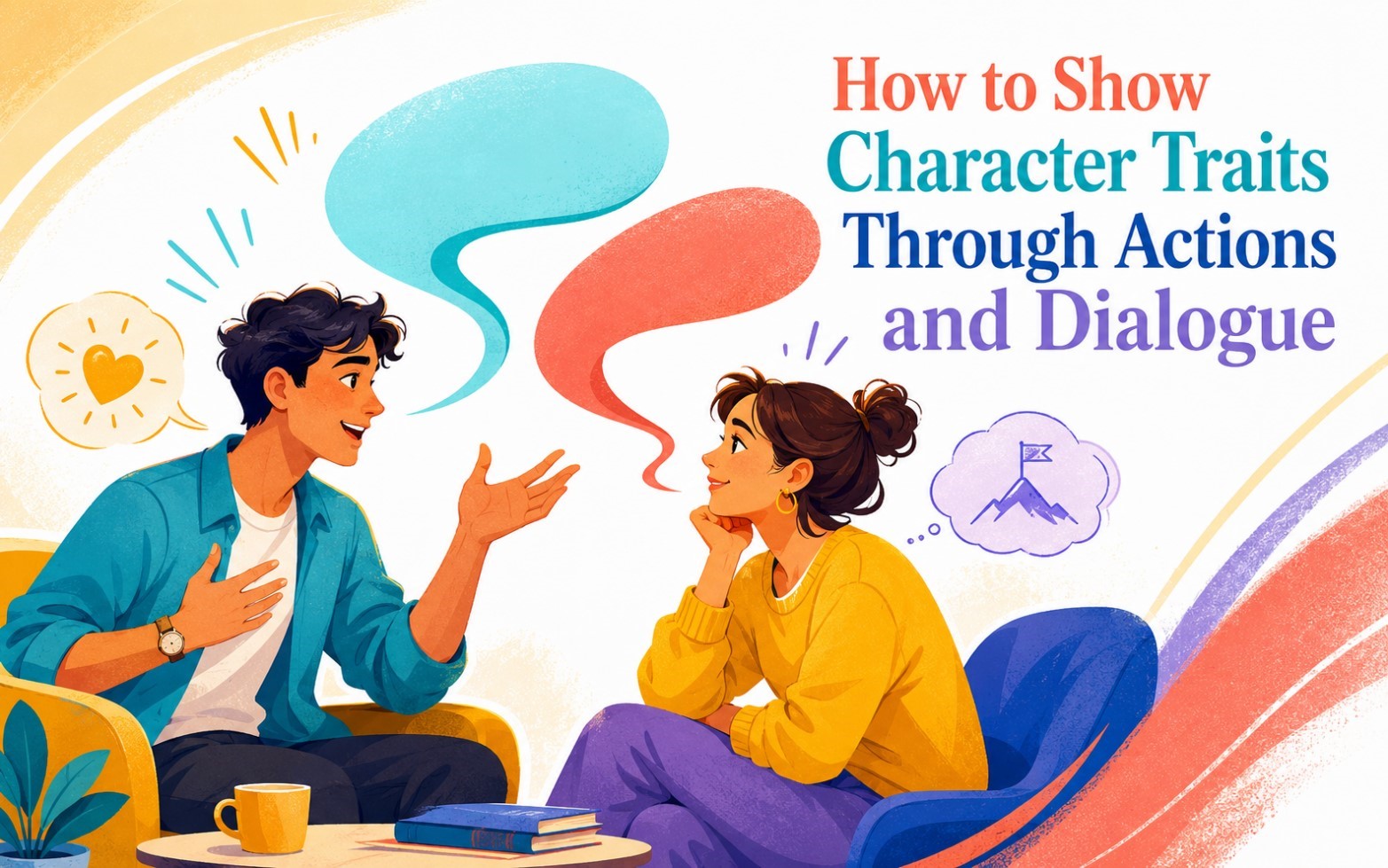
Readers are more likely to believe character traits when they can observe them. Instead of announcing that someone is generous, show that person quietly paying for a stranger’s meal. Rather than describing a character as jealous, let the reader notice the forced smile, sudden criticism, or awkward silence after a friend shares good news.
Compare these examples:
Telling: Daniel was an impatient man.
Showing: Daniel checked the clock for the fourth time, interrupted the receptionist, and began tapping his keys against the counter.
The second version transforms a label into behavior. It allows readers to reach the conclusion themselves.
When working from a list of character traits, ask five practical questions:
- What choice would reveal this quality?
- How would it affect the person’s way of speaking?
- What habit or gesture might accompany it?
- How would other people respond to it?
- What happens when the quality is pushed too far?
Dialogue is particularly useful because people with different personalities rarely communicate in exactly the same way. A diplomatic person may soften criticism, an outspoken person may address it immediately, and a secretive person may redirect the conversation. Word choice, sentence length, interruptions, humor, and silence can all reveal personality.
Do not reserve positive character traits for pleasant moments. Courage becomes meaningful when fear is present, loyalty matters when betrayal would be easier, and patience is most visible during frustration. Likewise, negative character traits should have consequences. Dishonesty may solve an immediate problem but destroy trust later.
Actions and dialogue should work together so that character traits feel embedded in the story rather than attached as explanatory labels.
Common Mistakes to Avoid When Using Character Traits
One common mistake is giving a character too many disconnected character traits. A profile containing twenty impressive adjectives may look detailed, but it does not automatically create depth. Three or four connected qualities that repeatedly influence decisions will usually feel more convincing.
Another problem is treating a list of character traits as a collection of rigid labels. People behave differently around family, friends, strangers, colleagues, and authority figures. Someone may be confident at work but insecure in romantic relationships. These variations do not make the personality inconsistent; they make it human.
Writers should also avoid giving every hero only positive character traits and every villain only negative character traits. Perfect heroes have little room to grow, while completely cruel villains are often predictable. Strengths, flaws, fears, and contradictions should appear on both sides of a conflict.
Other mistakes include:
- Confusing temporary emotions with lasting qualities
- Listing traits without demonstrating them
- Using appearance as a substitute for personality
- Assigning qualities that never affect the plot
- Treating shyness, introversion, or emotional sensitivity as automatic flaws
- Allowing a character’s behavior to change merely for plot convenience
- Forgetting that strengths can become weaknesses when taken too far
Finally, avoid explaining every quality directly. Readers enjoy interpreting behavior and noticing patterns. Let choices, dialogue, relationships, and consequences reveal the most important character traits naturally.
For readers interested in storytelling, literary analysis, and the craft behind memorable fictional personalities, America Publishers Author Spotlight also explores related topics across writing and literature. Its articles examine the techniques, language, and creative decisions that shape stories, offering additional context for readers who want to understand how characters and narratives are developed.
Frequently Asked Question
-
What are character traits?
Character traits are lasting qualities that influence how a person usually thinks, behaves, communicates, and responds to different situations. Examples include honesty, patience, jealousy, curiosity, courage, and impulsiveness. Unlike temporary emotions, these qualities tend to appear repeatedly and form recognizable patterns in someone’s behavior.
-
What are five examples of positive character traits?
Five common positive character traits are honesty, compassion, courage, patience, and reliability. These qualities generally help people build trust, maintain healthy relationships, overcome difficulties, and make responsible choices. However, even an admirable quality can create complications when expressed too strongly or without balance.
-
What are five examples of negative character traits?
Five frequently recognized negative character traits are dishonesty, arrogance, selfishness, jealousy, and recklessness. They can damage relationships or cause conflict, but they should not automatically make a fictional person entirely unlikeable. Exploring where a flaw comes from can add depth and create opportunities for meaningful development.
-
What is the difference between personality and character traits?
Personality is the broader combination of qualities, behaviors, emotional patterns, and social tendencies that make someone distinctive. Individual traits are the specific words used to describe parts of that personality. In simple terms, personality is the complete picture, while a list of character traits provides the separate details used to build it.
-
Can a trait be both positive and negative?
Yes. Confidence can help someone lead but may become arrogance when left unchecked. Caution can prevent careless mistakes but may also stop a person from taking necessary risks. The effect of a trait depends on its intensity, the person’s motivation, and the situation in which it appears.
-
How many traits should a fictional character have?
A major fictional character usually needs three to five dominant qualities that work together. One may act as the central strength, another as the main flaw, and the remaining qualities can shape relationships or reactions under pressure. Additional details may emerge throughout the story, but readers should be able to recognize the character’s core personality without consulting a profile.
Conclusion
The best character traits do more than describe whether someone is kind, difficult, confident, or quiet. They explain how that person approaches relationships, responds to challenges, makes choices, and changes over time. That is why choosing a few connected qualities is usually more effective than filling a profile with dozens of unrelated adjectives.
Use the categories in this guide as a starting point rather than a set of fixed judgments. Combine strengths with limitations, give flaws understandable origins, and remember that neutral qualities can become helpful or harmful depending on the situation. Most importantly, reveal personality through actions, dialogue, habits, and consequences.
Whether you are analyzing a novel, creating a fictional personality, or trying to describe someone more accurately, the right character traits can turn a vague impression into a vivid and believable picture.
