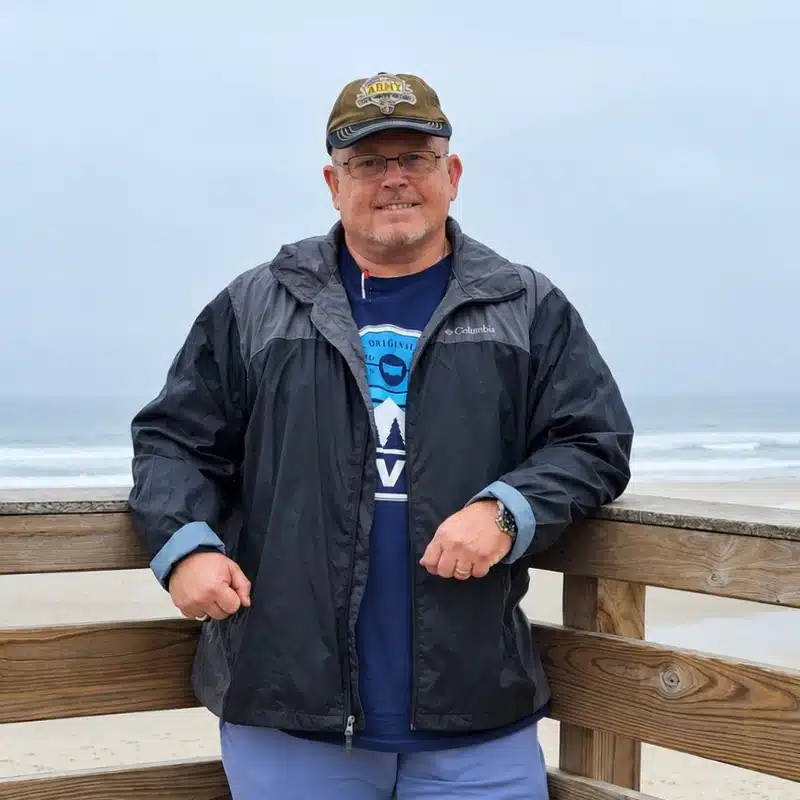
Dr. Paul K Mears

Dr. Paul K Mears: A Career Across Military Service, Law Enforcement and Security Education

Dr. Paul K Mears’s professional background spans military service, drug interdiction, corrections, investigations, emergency response and security education. These roles involve different institutions and working environments, but each brings questions about how threats are identified, how authority is exercised and how people are protected.

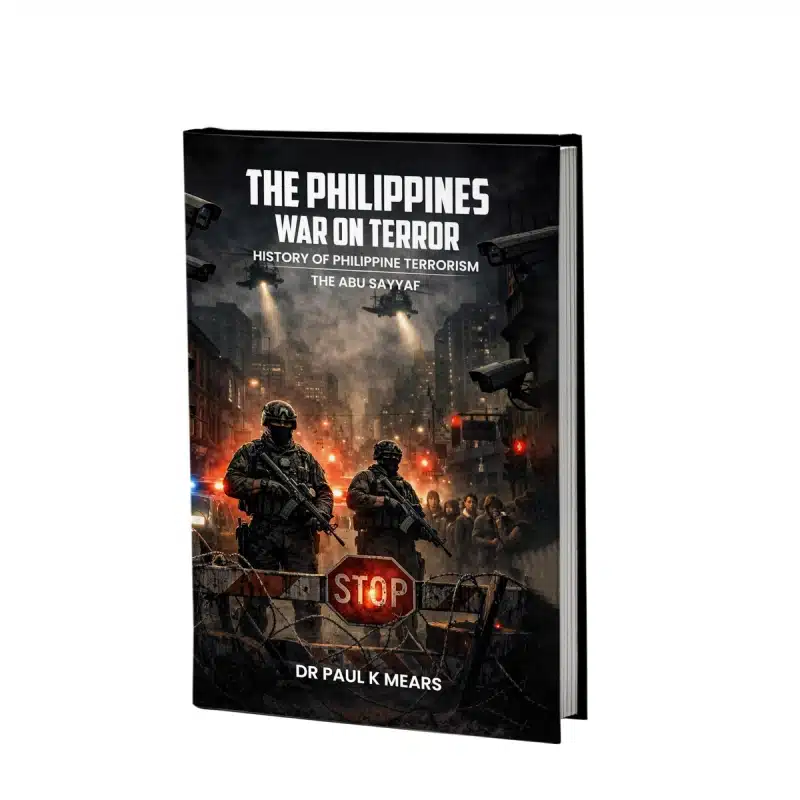
That background provides context for Dr. Paul K Mears as an author. His book, The Philippines War On Terror: History Of Philippine Terrorism, examines the development of armed conflict and terrorism in the southern Philippines. Its subjects include separatist movements, militant organizations, international extremist connections, government responses and the consequences of prolonged conflict for civilians.

The connection between his professional interests and the publication is clear at the level of subject matter. A career involving investigations, operational security and emergency response offers a relevant context for studying organized violence.

Dr. Paul K Mears’s biography traces a career extending from military and maritime responsibilities to federal service, followed by training and education in the United Arab Emirates. The resulting profile brings together operational experience and an interest in explaining security issues to others.

For readers encountering his work for the first time, this professional history helps position the person behind the book. It also provides a starting point for understanding why terrorism, institutional responses and the wider demands of security occupy a place in his writing.

Military Service and the Foundations of a Security Career

According to his biography, Dr. Paul K Mears served in the United States Army Active and Reserve components during periods spanning 1981–1986 and 1990–2013. His account identifies his rank as Command Sergeant Major and connects his service with special operations and communications. Between those periods, he served as a United States Coast Guard drug interdiction boat commander from 1986 to 1990.

The combination of special operations, communications and drug interdiction also introduces several fields that recur across his later career. Communications concerns the movement and coordination of information. Interdiction involves an enforcement response to prohibited activity. Command responsibilities add the organizational demands of directing personnel and carrying out assigned duties.

These are relevant connections when considering an author whose featured book examines militant organizations, weapons acquisition, financing and state responses. They provide context for his professional interest in security and institutional responses to threats.

His Coast Guard role adds a maritime dimension to that background. Drug interdiction operates within a particular enforcement setting, yet it also raises broader questions about illicit movement, criminal activity and the practical limits of security operations. Those questions sit alongside the investigative and protective responsibilities described elsewhere in his biography.

The importance of this early foundation lies in its place within the larger career. His professional background also includes corrections, tactical response, federal protection and professional instruction. Across these environments, the institutional setting changed, while responsibilities involving security, coordination and enforcement continued to appear.

That continuity gives the opening stage of Dr. Paul K Mears’s career its relevance to the author profile. It introduces the areas of work that connect his professional background with his published writing.

From Corrections and Investigations to Federal Protection

Dr. Paul K Mears’s law enforcement career included work with the Florida Department of Corrections and the Columbia County Sheriff’s Department. His account identifies responsibilities ranging from supervising Death Row as a sergeant to managing high-risk prison transports. It also describes advancement from officer through the ranks to captain before his federal career.

Corrections introduces a security environment with its own demands. Staff must operate within controlled institutions, manage movement and maintain procedures around people in custody. High-risk transports extend those responsibilities beyond the institution, requiring attention to the security of personnel, the public and the individuals being transported.

These assignments form a substantial part of his law enforcement background. They also broaden it beyond the military roles already described. His career account includes institutional supervision as well as operational responsibilities, bringing questions of leadership and administration into view alongside enforcement.

The biography further states that Dr. Paul K Mears attended Special Weapons and Tactics training, initially serving as a sniper before becoming a team commander. It identifies ten years as an Emergency Response Commander and also lists assignments in drug enforcement investigations, executive protection and assistant warden duties.

Investigative work concerns establishing information about suspected activity. Tactical response addresses particular operational threats. An administrative position within corrections carries a different set of institutional responsibilities.

He also transitioned from the Bureau of Prisons to work as a Federal Air Marshal, criminal investigator and aviation emergency medical instructor. He advanced to field supervisor and retired from federal service in 2013.

Aviation protection adds another setting to this professional history. Responsibilities carried out around air travel differ from those within correctional facilities, although both involve procedures, situational awareness and responses to potential emergencies. The instructor role also introduces a recurring feature of his later career: communicating professional knowledge through training.

Taken together, these assignments provide context for his interest in security studies. They place his authorship alongside a career involving enforcement, protection, investigation and instruction.

In The Philippines War On Terror: History Of Philippine Terrorism, Dr. Paul K Mears traces the history of terrorism in the Philippines through the development of armed conflict in the south, with particular attention to Mindanao.

The book begins with the foundations of resistance and examines the emergence of the Moro National Liberation Front and the Moro Islamic Liberation Front. It also considers the later rise of the Abu Sayyaf Group. The historical context involves distinctions between separatist movements and terrorist organizations, whose origins, objectives and activities differ.

The book then follows the connections between local militancy and international extremist networks, including Al-Qaeda and Jemaah Islamiyah. It identifies ideological and organizational changes alongside criminal financing, kidnapping for ransom and weapons acquisition. This scope allows the publication to consider how armed groups sustain their activities as well as how they develop.

A major focus is the emergence of ISIS-linked militancy and the Maute Group, leading to the 2017 Siege of Marawi. The book examines the military campaign to retake the city, the effects on civilians and the broader consequences for Mindanao.

Government responses also form part of the account, including Martial Law in Mindanao and the legal and security challenges associated with prolonged conflict. The discussion subsequently extends to reconstruction, governance, economic recovery, inclusion and the search for lasting peace.

For readers interested in Mindanao conflict history and counterterrorism in the Philippines, this is the scope the book presents: a chronological examination connecting local conflict, international militant networks, financing and state responses.

The publication gives a concrete expression to Dr. Paul K Mears’s interest in security, conflict and government responses.

After retiring from federal service in 2013, Dr. Paul K Mears took his professional work into an international training environment. His biography describes a move to Abu Dhabi in the United Arab Emirates, where he trained police and special operations personnel. This stage of his career brought instruction to the foreground, extending the teaching responsibilities that had already appeared in his firearms and aviation emergency medical work.

Moving from performing a task to teaching it introduces a different responsibility. An instructor must explain procedures, demonstrate techniques and help learners understand the circumstances in which they apply. Professional experience supplies material for that process, while teaching requires the ability to make the reasoning behind an action clear.

The biography places Dr. Paul K Mears in charge of Global Security Studies from 2014 to 2018 and identifies a professorial role in Dubai. Education forms a substantial part of his professional background. His work in the United Arab Emirates added an international educational dimension to his operational background in the United States.

Security education spans questions that cannot always be answered through a single procedure. Investigations, emergency response and institutional protection each require attention to the surrounding circumstances. Teaching across these subjects involves explaining how information, responsibilities and available resources affect decisions.

For readers of his author profile, this educational work adds another dimension to his background. It places instruction alongside command, enforcement and investigation, showing the range of settings in which his professional interests developed.

His biography records a return to the United States in 2018 to undertake executive protection for confidential clients and conduct security operations in Miami. That return connects his international teaching period with further practical work.

His career includes both operational responsibilities and instruction. His teaching experience provides a connection to authorship, which also requires organizing complex information and explaining it clearly to an audience.

Dr. Paul K Mears’s featured book examines the development of militant organizations, their methods of financing and the responses of governments and security institutions. These subjects connect with several areas in his professional biography, including investigations, drug interdiction, emergency response and protective operations.

His law enforcement background provides a professional connection to investigative questions and institutional procedures. The book extends the discussion into the historical and political context of conflict in the southern Philippines.

The Philippines War On Terror: History Of Philippine Terrorism examines questions about organizational change, international connections and the resources that allow armed groups to operate. These are subjects that invite examination of relationships as well as individual events. Financing, weapons acquisition and ransom operations, for example, raise questions about how activities are sustained over time.

His investigative background provides relevant context for an interest in those mechanisms. Similarly, his emergency response and command responsibilities help explain the professional relevance of government security responses. The book also considers the consequences of conflict and government responses for civilians.

This is where the author’s career and the book’s stated scope meet most clearly. His biography describes work involving threats, enforcement and protection. His publication examines how armed conflict developed in a particular region and how institutions responded to it.

Readers can therefore approach Dr. Paul K Mears as an author with an operational and instructional background whose writing addresses a broader historical subject.

The book also examines what follows armed confrontation. Alongside militant organizations and military responses, it identifies civilian consequences, reconstruction, governance, economic recovery and inclusion as subjects within the publication.

That scope matters because a history of conflict remains incomplete if it ends with the outcome of an operation. Recovering territory and rebuilding everyday life involve different tasks. Communities affected by violence may face damaged infrastructure, interrupted livelihoods and difficult questions about public services and institutional trust.

The book places the 2017 Siege of Marawi within this wider frame, examining both the campaign to retake the city and the impact on civilians before considering the broader consequences for Mindanao. This allows readers to see how a major security event connects with longer questions of recovery.

The book also discusses Martial Law in Mindanao and the legal and security challenges that followed, placing government responses within its broader examination of prolonged conflict.

Governance and economic recovery bring further questions into view. Who can access services? How are reconstruction priorities determined? What conditions allow displaced communities to rebuild their lives? These questions illustrate the wider challenges involved in post-conflict recovery.

The publication extends from the development of armed groups to the continuing search for peace in Mindanao.

The author’s professional background supplies context for his interest in security. The book’s inclusion of civilian life and recovery gives readers additional areas to explore when considering how that interest is expressed in print.

Professional instruction appears repeatedly in Dr. Paul K Mears’s biography. Alongside his police training and security education work, his account describes firearms courses covering tactical operations and advanced precision rifle techniques, delivered by civilian and military instructors. It also identifies his responsibilities as a departmental lead instructor for handgun and special weapons training.

These details add specificity to the teaching side of his career. In these settings, instruction involves demonstrating techniques, communicating procedures and assessing how learners apply them. Experience provides a foundation, but the instructor must also make that knowledge understandable and usable for others.

His biography identifies him as an NRA-certified firearms instructor and a self-defense instructor. It also records a sixth-degree black belt in Isshinryu karate and training in Aikido. These qualifications place martial arts and practical instruction alongside the military, investigative and protective responsibilities already described.

His background includes continuing involvement in training, both as a participant and as an instructor. That involvement gives readers another way to understand his professional identity. Across different stages of his career, Dr. Paul K Mears has held responsibilities involving the communication of specialized knowledge. His authorship extends that activity into a format readers can examine at their own pace.

A book creates different demands from a training session. Explanations must stand on the page, historical claims require supporting evidence, and readers bring varying levels of familiarity with the subject. His instructional background connects his professional training responsibilities with the explanatory demands of authorship.

Readers may encounter Dr. Paul K Mears through several interests: his law enforcement career, his security instruction or the Philippine history addressed in his book. Each offers a different starting point for exploring the relationship between his professional background and his writing.

For readers interested in criminology and terrorism studies, the publication’s stated attention to militant financing, kidnapping for ransom and organizational change may be particularly relevant. These subjects concern the ways armed groups acquire resources, maintain activity and adapt to changing circumstances.

Those approaching the book through Southeast Asian studies or Philippine history may be more interested in its chronological scope. The book connects conflict in Mindanao with the emergence of different movements, international extremist networks and government responses. Students and researchers can use that scope to identify subjects for further examination alongside other historical and regional sources.

Readers of security studies may find points of connection with the author’s investigative, protective and emergency response background. Those interested in peace and conflict studies may instead focus on the book’s inclusion of civilian consequences, governance and reconstruction.

Dr. Paul K Mears’s profile brings operational service, professional instruction and authorship into the same account. His featured publication gives readers a specific work through which to explore that combination.

Dr. Paul K Mears: A Professional Legacy in Print

Dr. Paul K Mears’s professional story spans military service, corrections, investigations, federal protection and security education. His biography describes responsibilities across several decades and institutional settings, with instruction becoming a recurring part of that work.

The Philippines War On Terror: History Of Philippine Terrorism adds authorship to this record. Its examination of conflict in the southern Philippines gives readers a historical subject through which to engage with his interests in security, organized violence and institutional responses. The inclusion of civilian consequences and recovery also opens the discussion to the longer demands of rebuilding communities after conflict.

A professional legacy in print depends on continued reading and examination. Publication allows an author’s work to reach people beyond the settings in which his career developed, while inviting questions about the evidence, explanations and perspectives presented.

America Publishers Author Spotlight congratulates Dr. Paul K Mears on the publication of The Philippines War On Terror: History Of Philippine Terrorism and welcomes him to the platform. By bringing his professional background and published work into focus, this profile offers readers an introduction to the author and a starting point for discovering his examination of the Philippines’ complex security history.

Follow Dr. Paul K Mears for Further Updates

🔗 Personal Instagram: Click here

The Philippines War On Terror: History Of Philippine Terrorism | Available Now

🔗 Amazon: Click here