
Published on June 10, 2026
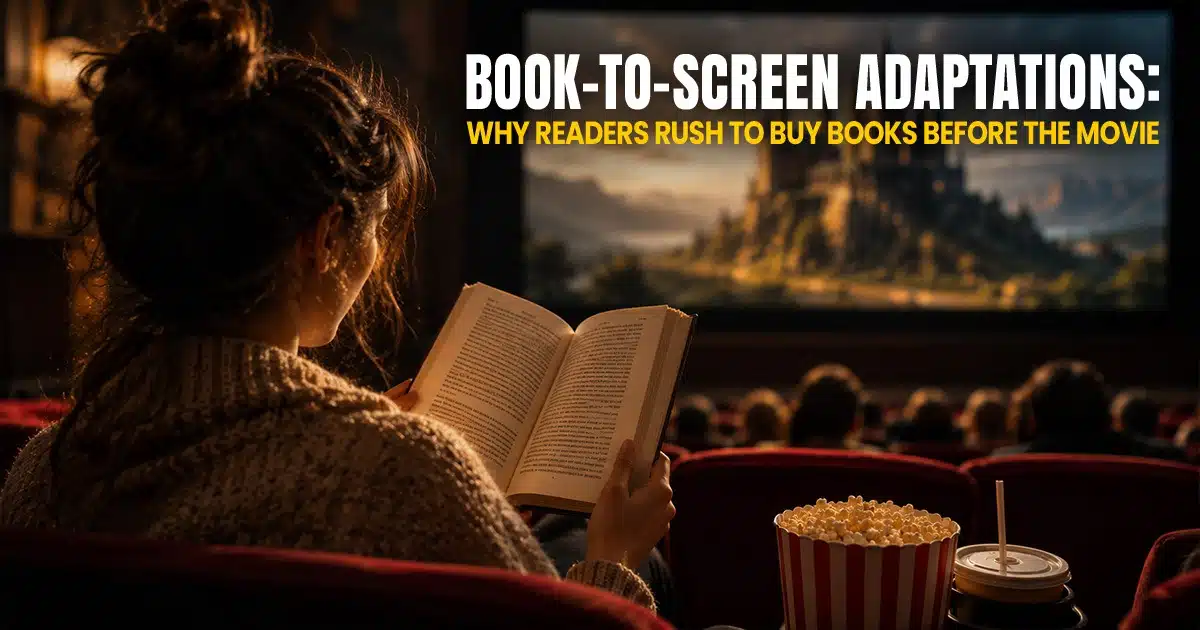
The moment a book-to-screen adaptation is announced, something interesting happens. A book that may have been sitting quietly on bookstore shelves for years suddenly finds itself back in the spotlight. Readers begin adding it to their reading lists, online discussions gain momentum, and sales often rise long before the film reaches theaters. This pattern has become increasingly common as book-to-screen adaptations continue to shape both the publishing and entertainment industries.
For many readers, the excitement starts with curiosity. They want to experience the story in its original form before seeing it on screen. Others enjoy comparing the source material with the final film, looking for differences in characters, plotlines, and themes. As more books are adapted for film and television, reading the book first has become part of the overall experience rather than simply a separate activity.
The popularity of streaming platforms, social media discussions, and online fan communities has only accelerated this trend. Today, an adaptation announcement can introduce a story to millions of potential readers almost overnight. What was once a marketing strategy has evolved into a cultural phenomenon, proving that book-to-screen adaptations do far more than create movies. They inspire people to pick up books they may have otherwise overlooked.
The Fear of Missing the Original Story
One of the biggest reasons readers buy books before a film release is the belief that the original version offers a richer experience. While movies bring characters and settings to life visually, they often have limited time to tell a story. Entire scenes, subplots, and character perspectives may be shortened or removed.
Because of this, many readers turn to book-to-screen adaptations to experience the complete story before watching the film. Reading the book provides access to character thoughts, emotional depth, and world-building elements that are often difficult to capture on screen.
This mindset has followed countless successful book adaptations over the years. Readers want to know what changed, what remained faithful to the source material, and whether the film delivers the same emotional impact. For many, those comparisons are part of the fun.
Reading the book also allows audiences to participate more confidently in discussions about casting choices, trailers, and adaptation decisions. As a result, book-to-screen adaptations continue to drive readers back to bookstores, libraries, and digital reading platforms long before opening night.
Adaptations Give Older Books a Second Life
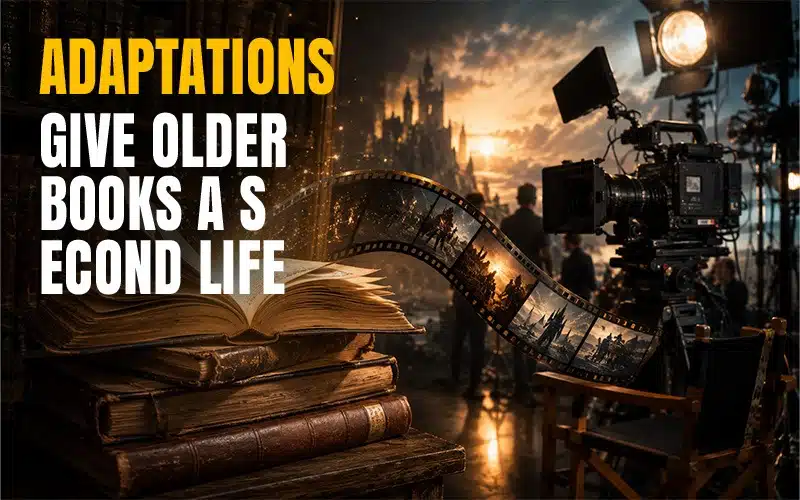
Not every bestseller is brand new. Some of the most successful book-to-screen adaptations are based on books published years or even decades earlier. When an adaptation is announced, readers often rediscover titles that had faded from mainstream attention, giving them a fresh opportunity to reach new audiences.
Publishers benefit from this renewed interest through new editions, promotional campaigns, and increased visibility. Readers who missed the book the first time around often decide to pick it up after hearing adaptation news.
Recent adaptations such as Dune, The Summer I Turned Pretty, and It Ends With Us generated renewed interest in their source material, introducing the books to new generations of readers. As conversations around the adaptations spread across social media and entertainment news, many readers purchased the books to experience the original story before watching the screen version.
The impact extends beyond sales. Strong book adaptations spark conversations about themes, characters, and ideas that remain relevant long after a book’s original publication.
Adaptations also help create trending books. Once a title begins circulating alongside trailers, interviews, and promotional content, interest can grow rapidly as readers become curious about the source material.
Frequently Asked Question
-
Why do book sales increase before movie releases?
Book sales often rise because readers want to experience the original story before watching the adaptation. Many people enjoy comparing the book and film versions, while others want a deeper understanding of the characters and plot before seeing them on screen. This is one reason book-to-screen adaptations frequently boost book sales months before release.
-
Are book adaptations beneficial for authors?
Yes. Successful book adaptations can introduce an author’s work to a much larger audience. Increased visibility often leads to higher book sales, renewed interest in an author’s previous works, and greater recognition within the publishing industry.
-
Why are books becoming movies more popular today?
Several factors contribute to this trend, including the demand for established stories, the influence of streaming platforms, and the power of online communities. As more books becoming movies generate excitement across social media, studios are increasingly turning to published works as a source of proven and engaging stories.
Conclusion
The growing success of book-to-screen adaptations highlights a simple truth: readers want to experience stories as completely as possible. While movies and television series offer exciting visual interpretations, many people still prefer to start with the original source material. Reading the book allows them to understand characters more deeply, explore details that may not appear on screen, and form their own impressions before seeing a filmmaker’s version of the story.
The rise of social media, online fan communities, and streaming platforms has only strengthened this behavior. As more titles become cultural events, readers are increasingly motivated to join discussions, compare versions, and discover trending books before they appear on screen. This trend has helped create new opportunities for authors, publishers, and readers alike.
For publishers and literary platforms such as America Publishers Author Spotlights, these shifts demonstrate how powerful storytelling remains in a rapidly changing media landscape. Whether driven by curiosity, community, or anticipation, readers continue to prove that books remain an essential part of the entertainment experience.
As book-to-screen adaptations continue to grow in popularity, they will likely keep introducing audiences to remarkable stories and helping great books find new life with future generations.

Social Media Turns Upcoming Adaptations into Reading Events
A generation ago, readers mainly discovered books through recommendations, reviews, or bookstore displays. Today, social media has transformed that process. Platforms like TikTok, Instagram, YouTube, and online reading communities can turn upcoming book-to-screen adaptations into major cultural events months before a film is released.
When a trailer drops or casting news is announced, discussions spread rapidly online. Readers share reactions, predict changes from the original story, and encourage others to read the book before the movie premieres.
This effect is particularly noticeable with books becoming movies that already have dedicated fan communities. Existing readers revisit the story while newcomers rush to catch up so they can join the conversation. Reading becomes a shared experience rather than a solitary one.
Social media also plays a major role in creating trending books. A title that receives little attention one week can suddenly dominate recommendation lists after adaptation news gains traction. Increased visibility helps readers discover stories they may have otherwise overlooked, introducing both new releases and older titles to wider audiences.
Readers also enjoy forming their own interpretations of characters and settings before seeing how filmmakers bring them to life. As online communities continue to influence entertainment choices, book-to-screen adaptations have become shared experiences that connect readers and viewers while helping stories reach wider audiences.