

Published October 14, 2026 · The Digital Desk, America Publishers
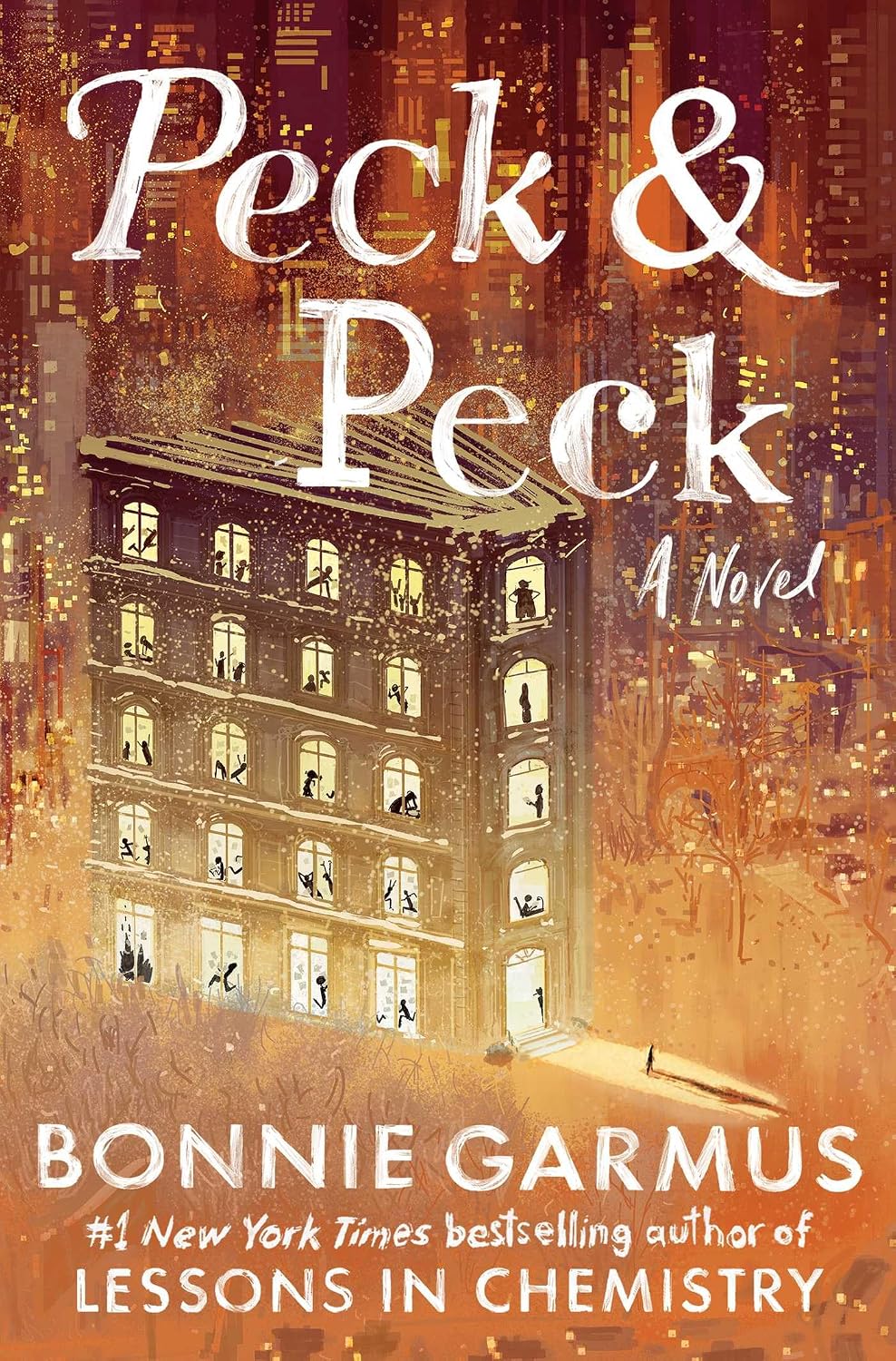
An ear for poetry is an unusual qualification to put on a résumé. In Peck & Peck: A Novel, Bonnie Garmus introduces Batter Gray, a recent college graduate trying to find his footing in 1980s New York City. His friends have established careers. He has a retail job, student loans, and a talent that offers no obvious route to financial security.
Then Batter lands a position at a prestigious poetry journal. It seems like an opportunity to turn his love of language into a meaningful career, but the workplace he enters is anything but straightforward. Behind its literary reputation are eccentric employees, closely guarded secrets, and twin editors-in-chief locked in a bitter rivalry.
What happens when the job that finally recognizes your talent also challenges your understanding of success?
Published by Scribner on October 13, 2026, Peck & Peck by Bonnie Garmus is the American novelist’s second novel. Her debut, Lessons in Chemistry, became an international bestseller, was translated into more than forty languages, and was adapted into an Apple TV limited series. It was also selected as a Good Morning America Book Club Pick.
Bonnie Garmus’ new book moves into a different professional world, bringing questions about creativity, belonging, and ambition into the offices of a literary institution.
Peck & Peck Book Summary: An Unexpected Opportunity
Batter Gray has an ability he cannot easily convert into a conventional career. He recognizes poetry, cares about words, and wants a future that gives those interests somewhere to go. Meanwhile, his working life involves folding T-shirts at the Gap.
His circumstances change when he joins Peck & Peck, a prestigious poetry quarterly in New York City. The position brings him closer to the literary world he admires, but it also exposes him to an organization divided by personal conflict.
The Peck brothers, the journal’s twin editors-in-chief, are enemies. Their rivalry creates a difficult environment, and Batter becomes involved in the editorial team’s complicated relationships and private affairs. The journal’s standards are extreme: originality is prized, plagiarism is rejected, and unwanted submissions face literal incineration.
The Peck & Peck plot places an uncertain young man inside an institution that appears far more confident about its purpose than he is. Whether that confidence reflects sound judgment or something less admirable is part of the story’s appeal.
Will Batter find direction through his unexpected career? How will the editors’ rivalry affect the people around them? And can a workplace devoted to artistic originality make room for independent thought?
Why Readers May Want to Explore This Literary World
A poetry journal is an unusual setting for workplace fiction. Its employees judge language, rhythm, and imagination rather than a more easily measured product. Their decisions determine which creative voices receive attention and which remain unheard.
That gives this poetry publishing novel an intriguing tension. The institution celebrates creativity, yet its professional culture can still be restrictive. Working among people who appreciate art does not necessarily mean working among people who treat one another fairly.
Readers interested in literary fiction about publishing may be drawn to that contradiction. A journal’s reputation suggests discernment and authority, but prestige alone cannot explain whether its decisions are wise, impartial, or generous.
Batter’s uncertain position makes the setting accessible even to readers who rarely pick up poetry. His problem is familiar: he has something to offer but does not know where it belongs. The distance between possessing a talent and building a sustainable life around it gives his circumstances relevance beyond the literary industry.
As a workplace satire novel, Peck & Peck also offers a premise built for comic friction. Serious artistic ambitions sit alongside extreme rules and personal feuds. The contrast invites readers to question how easily devotion to excellence can become self-importance.
Batter Gray, Identity, and Belonging
Batter begins with a question many graduates face: what should he do with the abilities and interests that do not fit a clear professional path?
His opportunity at the journal appears to provide an answer. Yet being hired and finding a place to belong are different experiences. A job can recognize someone’s potential while also placing that person under pressure to conform.
Batter’s circumstances invite reflection on how professional environments influence identity. When an employer’s approval becomes the main measure of achievement, it can become difficult to separate personal worth from workplace standing.
The rival editors provide a counterpoint to his uncertainty. They hold authority within the institution, but their conflict raises questions about what they do with it. Having power over other people’s work does not necessarily mean understanding how to use that power responsibly.
The relationships among the Peck & Peck characters therefore offer more than office intrigue. They create opportunities to consider how people negotiate recognition, loyalty, and the desire to be taken seriously.
Peck & Peck Themes: Creativity, Ambition, and Integrity
One question raised by the premise is whether an institution’s behavior matches the values it claims to defend. The journal prizes originality, but its leadership is divided. That tension makes artistic integrity in literature a useful lens through which to consider the story.
Several possible lessons emerge from these circumstances.
Stay Connected to Your Values
Professional pressure can make compromise feel necessary. Sometimes adapting helps a person develop. At other times, it means accepting conduct that conflicts with their beliefs.
Batter’s situation invites readers to ask where that boundary lies. What would someone tolerate to keep a coveted position, and when would keeping it become too costly?
Recognize the Value of Creativity
An artistic ability does not lose its significance because it lacks an obvious career route. Sensitivity to language, close attention, and imaginative judgment can enrich both personal and cultural life.
The challenge is to recognize that value while remaining honest about practical needs. Creativity matters, but people also need financial stability. Neither concern disappears simply because the other is important.
Question the Misuse of Power
The twin editors and workplace rivalry raise questions about how private conflict affects an organization. Employees may find themselves responding to personal agendas rather than shared professional goals.
Respecting expertise should leave room to examine the decisions made in its name. High standards do not remove the need for accountability.
Accept That Success May Be Uneven
Batter’s uncertain beginning challenges the expectation that graduation should lead immediately to a settled career. Finding direction can involve unfamiliar opportunities, mistakes, and periods of doubt.
A less orderly path does not automatically indicate failure. It may reveal how difficult it is to connect individual interests with the opportunities available.
Protect Originality
The journal’s rejection of plagiarism makes originality an explicit concern. Creative work depends on effort, judgment, and individual expression. Taking that work without proper acknowledgment undermines trust as well as authorship.
These Peck & Peck themes open discussion of how people preserve independent judgment while seeking recognition from demanding institutions.
Why the Story Matters Beyond Poetry
This 1980s New York literary novel raises questions that extend beyond its period and profession. Who decides which talents deserve recognition? Can meaningful work remain meaningful inside an unhealthy organization? What happens when professional ambition begins to shape personal values?
The relationship between creativity and ambition in fiction is especially relevant here. Wanting recognition is understandable, but recognition becomes complicated when it depends on people whose priorities are difficult to trust.
The setting also invites discussion of creativity versus commercial success. Financial resources keep institutions operating, but income cannot fully measure the cultural importance of a poem or an original idea.
Similarly, workplace politics in literary fiction can expose the distance between a shared mission and everyday behavior. People may agree that excellent work matters while competing over who receives credit or controls the definition of excellence.
The novel’s concern with plagiarism can prompt broader conversations about creative ownership. Contemporary questions about artificial intelligence and copyright, however, involve separate technological and legal issues. The fictional journal offers a starting point for reflection, rather than answers to those debates.
What Professional Reviews Say About Peck & Peck
Professional reviews offer praise alongside reservations.
Publishers Weekly highlights Garmus’s humor and colorful characterization, while finding the story longer than necessary. Its review also interprets the journal as a reflection of ruthless corporate culture, suggesting that devotion to poetry does not protect Batter from competitive professional behavior.
Kirkus Reviews finds charm and worthwhile observations about poetry, but identifies a slower middle section and moments of excessive sweetness.
For readers seeking a Peck & Peck book review, these assessments provide a balanced introduction to its possible strengths and limitations. Its eccentric literary setting and comic approach may appeal to some readers more than others.
Readers exploring Bonnie Garmus books can approach this second novel as a distinct story, with a different protagonist and professional setting from Lessons in Chemistry.
Making Leisure Reading Meaningful
A novel does not need to teach a lesson to justify the time spent reading it. Humor, curiosity, and the pleasure of entering an unfamiliar world are sufficient reasons to turn the page.
Still, a story centered on poetry can encourage closer attention to language. Readers might explore a poet mentioned in the book, notice the rhythm of a sentence, or consider why certain words stay with them. The publisher’s reading guide encourages readers to investigate poets featured in the novel and discuss which poems resonate.
The workplace setting also offers material for conversation. Would a prestigious position be worth accepting in a difficult environment? When does demanding excellence become an excuse for mistreating people? How much should a career determine someone’s sense of purpose?
Such questions can give leisure reading an interest that continues after the book is closed.
What Does Meaningful Success Look Like?
Batter Gray enters the world of Peck & Peck looking for direction. The journal places that search alongside questions about professional ambition, creative freedom, and the pressure to meet other people’s expectations.
For America Publishers Author Spotlight readers interested in books about writers and publishing, the premise offers an invitation to consider who defines worthwhile work, and whether that definition leaves room for individual values.
Interested readers can consult the official Simon & Schuster publisher page for accurate edition details and availability.
If recognition comes at the expense of the creativity that made the work meaningful, what exactly has been gained?
🔗 For Amazon: Click here
🔗 For The Guardian Review: Click here
🔗 For Bonnie Garmus’ Author Bio: Click here
🔗 For Publishers Weekly Review: Click here
🔗 For Kirkus Review: Click here
Source: “Peck & Peck: A Novel,” by Bonnie Garmus. Published by Scribner on October 13, 2026. Read more at SimonandSchuster.com.