
Published October 8, 2026 · The Digital Desk, America Publishers
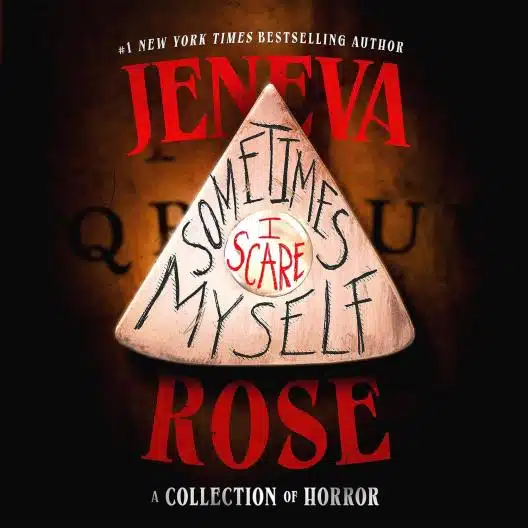
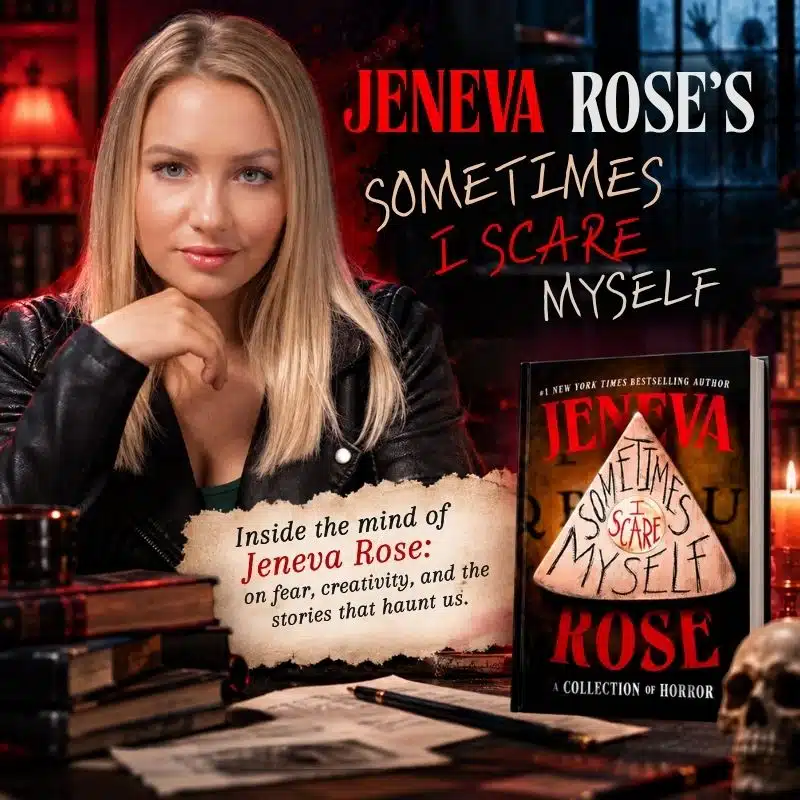
A birthday celebration, a family home, and a roadside stop rarely sound like invitations to terror. In Jeneva Rose’s Sometimes I Scare Myself: A Collection of Horror, those familiar situations become the starting points for something far less predictable. Released by Blackstone Publishing on September 22, 2026, the three-story collection brings the bestselling thriller author into supernatural territory as Halloween approaches.
The timing gives the book a seasonal setting, but its central attraction reaches beyond October’s appetite for ghosts and curses. Its premises invite a more intimate question: what happens when the places and situations people associate with comfort suddenly become difficult to trust?
For readers who know Rose through her suspense fiction, the collection opens another route into uncertainty. Here, danger can challenge the assumptions that make everyday life feel manageable. A gathering offers companionship. A home promises security. A stop along the road seems temporary. Horror begins when those expectations cease to hold.
A Thriller Author Makes Room for Horror
Rose, the #1 New York Times bestselling author known for books including The Perfect Marriage, brings an established suspense readership to this horror collection.
In an October 1 interview with the Los Angeles Public Library, Rose explained that she had long loved horror and wanted to explore dark ideas that suited shorter fiction. She wrote all three pieces specifically for Sometimes I Scare Myself, intending each to explore a different kind of horror.
That choice of form matters. A collection can repeatedly change the conditions under which readers encounter fear. Each story establishes a fresh setting, a new set of relationships, and different expectations about what might happen. Readers must adjust their understanding of danger as they move between them.
In these stories, Rose moves beyond human threats into supernatural dangers that resist ordinary explanations. The collection’s significance lies partly in that expansion of her storytelling range.
Three Stories, Three Breaches of Safety
The Sometimes I Scare Myself stories share a recognizable pattern while beginning in different circumstances. Each places characters somewhere they have reasons to feel comfortable, then introduces a threat that unsettles that confidence.
“Never Kill the Medium”
A thirtieth-birthday dinner takes a disturbing turn when a medium is hired for a séance. What begins as an addition to the celebration becomes a supernatural crisis.
The premise draws tension from the gathering itself. Social occasions create expectations about how people should behave: enjoy themselves, avoid embarrassment, and keep the evening moving. An alarming development can collide with those expectations before anyone understands its seriousness.
Rose identifies “Never Kill the Medium” as horror comedy in her LAPL interview. That description adds another dimension to the birthday setting, where entertainment and terror can occupy the same space.
Read through this lens, the story’s setup raises questions about collective judgment. When something goes wrong among friends, recognizing danger may depend on whether someone is willing to interrupt the group’s assumptions.
“The Nightmare House”
“The Nightmare House” follows the Dalton family into a new home, where disturbing events and the property’s history threaten their expectations of a secure future. Newly postpartum, Kristin Dalton struggles to convince others that something is wrong.
A haunted-house premise carries particular emotional force because home is where people expect to lower their defenses. If safety becomes uncertain there, retreat becomes complicated. The place that should provide relief is also the place requiring vigilance.
Kristin’s struggle raises a troubling question: whose account of danger receives attention? The premise invites consideration of vulnerability and credibility, especially when a person’s concerns are dismissed before they are understood.
Listening carefully to someone who feels unsafe can matter before others share or comprehend that fear.
“All Curses Are Final”
In “All Curses Are Final,” friends heading to a winter cabin stop at a roadside store whose merchandise carries a warning about curses. An unpaid item subsequently becomes part of an increasingly threatening situation.
The setup makes an apparently minor incident consequential. A journey meant to offer escape instead places the group in circumstances where their understanding of what happened becomes uncertain.
The story’s setup raises questions about responsibility when an apparently minor mistake brings disproportionate consequences. The interest lies in how people respond once a small action appears connected to danger, and whether fear encourages cooperation or accusation.
Taken together, these premises support a reading of the collection centered on disrupted control. The characters encounter situations in which familiar knowledge may no longer be sufficient.
That is a powerful source of horror because uncertainty complicates action. Recognizing a threat does not necessarily explain its cause. Discovering a rule does not guarantee that the rule is complete. Even a plausible explanation can leave unanswered questions about what to do next.
Rose’s interview offers a relevant insight into this attraction. Discussing curses, she described her fascination with their gradually revealed rules and the helplessness of confronting something whose origins or limits may be unknown.
This helps explain the distinction between a threatening presence and a threatening system. A curse can make ordinary actions feel hazardous because people do not understand how consequences operate. The struggle becomes an effort to interpret events while remaining exposed to them.
In these settings, uncertainty can strain relationships as well as unsettle individuals. Other people may provide reassurance, resist an explanation, or become objects of suspicion. Fear changes the meaning of relationships alongside the meaning of places.
The collection’s premises also invite reflection on grief, vulnerability, and the need for reassurance.
A séance’s promise of contact with the dead can carry emotional weight for people seeking reassurance after loss. A family’s threatened home raises questions about care and protection. A group facing danger must decide how much trust its relationships can bear.
Behind these supernatural threats are recognizable human needs: reassurance, companionship, understanding, and some influence over what happens next.
The stories also raise questions about caution, empathy, responsibility, and resilience. When should a warning be taken seriously? How should someone respond to another person’s distress? What does responsibility require when consequences remain unclear?
Keeping those questions open preserves the complexity of horror. Characters can face danger without having invited or deserved it, and emotional resilience need not mean complete mastery over fear.
Halloween provides an immediate occasion for readers to seek unsettling fiction. Sometimes I Scare Myself offers three separate encounters with supernatural danger, making its collection format part of its seasonal appeal.
Its wider relevance comes from the distance between ordinary expectations and extraordinary threats. Readers recognize the starting situations even when the developments exceed everyday experience. That recognition gives the horror something familiar to disturb.
Fiction also gives readers control over their encounter with frightening material: they can pause, step away, or continue. Within that boundary, a story can invite reflection on uncertainty without requiring a tidy lesson or promising a therapeutic result.
For Rose, this release creates space to explore different fears in shorter form. For readers, its three premises offer distinct approaches to the same unsettling possibility: safety can feel most fragile when it fails somewhere people expected to belong.
As October reading turns toward the uncanny, Sometimes I Scare Myself enters the conversation through that tension. The birthday, the home, and the roadside stop are recognizable. What makes them compelling starting points for horror is how much confidence people bring to them, and how quickly that confidence can become a question.
Sometimes I Scare Myself: A Collection of Horror by Jeneva Rose | Available Now
🔗 Amazon: Click here
Source: “Interview With an Author: Jeneva Rose, October 1, 2026.” Read more at LAPL.org.