
Published October 19, 2026 · The Digital Desk, America Publishers
What makes one conversation feel effortless while another struggles to move beyond small talk? When an immediate connection is missing, does that mean a relationship has little chance of developing?
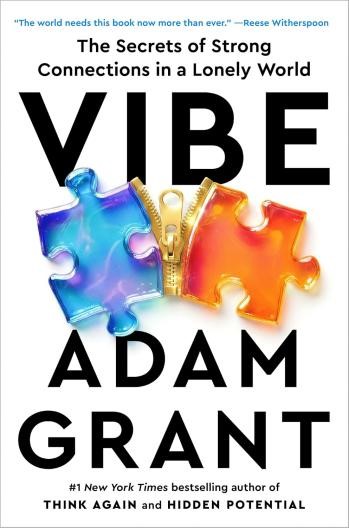
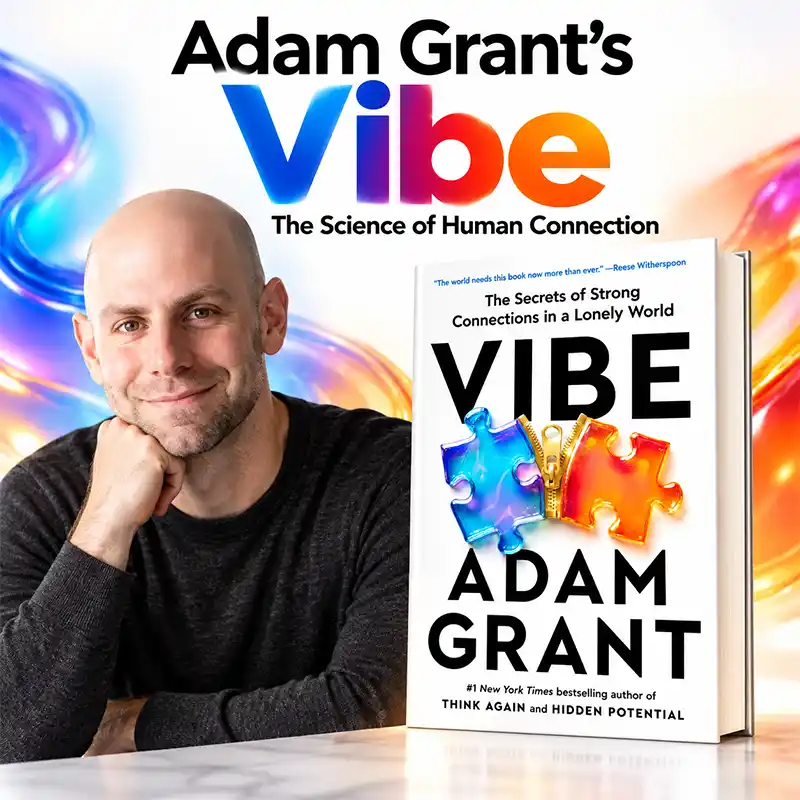
Adam Grant examines these questions in Vibe: The Secrets of Strong Connections in a Lonely World, published by Viking on October 13, 2026. The organizational psychologist’s new book explores the science of human connection, questioning familiar expectations about chemistry, compatibility, and closeness.
The subject reaches into ordinary life. A full calendar or active group chat can offer plenty of interaction without creating much space for understanding. Knowing people and feeling connected to them are different experiences.
Vibe by Adam Grant considers how people might approach that distance more intentionally, whether they are developing friendships, working with colleagues, or finding their place in a community.
What Is Vibe About?
Vibe explores how relationships begin, deepen, and endure. Grant challenges the assumptions that people must be similar to connect, that chemistry should happen immediately, and that closeness always requires considerable time.
These ideas leave room to reconsider an awkward beginning. A hesitant introduction may reveal little about how two people will relate once they have a better opportunity to talk. An easy first conversation, meanwhile, cannot establish everything about a relationship’s future.
The book brings together research, expert perspectives, and stories from different social settings. Its examples include astronauts learning to trust people they dislike and a comedy troupe whose members value time apart. Grant also reflects on his experience as a shy introvert who became more comfortable bringing people together.
Across these settings, building meaningful relationships emerges as something people can approach deliberately. How people meet, what they expect, and whether they have another chance to talk can all shape a developing relationship.
Adam Grant’s Background in Human Behavior
Grant is the Saul P. Steinberg Professor of Management at the University of Pennsylvania’s Wharton School and a professor of psychology. His research interests include generosity, motivation, meaningful work, leadership, and organizational culture.
The New York Times bestselling author is known for books including Think Again, Give and Take, and Originals. His teaching includes leadership, teamwork, negotiation, and organizational behavior.
That background connects with the questions Vibe raises about cooperation and interpersonal understanding. People bring different expectations to shared responsibilities, and those differences can shape whether they feel heard or able to contribute.
In Vibe, the focus encompasses friendships, families, colleagues, and communities. The settings vary, but each raises questions about how people understand one another and what encourages them to remain connected.
Chemistry, Trust, and Connecting Across Differences
First impressions can feel decisive. A lively exchange encourages another conversation; an uncomfortable pause may discourage one. Yet the setting itself can influence how much people discover about each other.
Someone who struggles to speak at a crowded gathering might become an engaging conversational partner in a quieter space. Giving an interaction another chance can reveal qualities that were difficult to notice initially.
This possibility makes chemistry and closeness in relationships worth examining separately. Immediate ease may create interest, while trust raises further questions about dependability, honesty, and consideration.
A person can be enjoyable company without becoming someone we rely on. Another relationship may begin cautiously and develop through commitments kept, thoughtful responses, and shared experience.
Similarity creates another set of expectations. Common interests provide convenient starting points, but connecting across social differences involves staying curious when familiar ground runs out.
Understanding another perspective does not require adopting it. Two people may disagree while learning more about each other’s experiences and reasoning. Respect also leaves room for boundaries when behavior becomes consistently dismissive or harmful.
Together, these questions encourage a more specific understanding of stronger connections: what does a particular relationship need, and are both people willing to contribute?
Digital Communication and the Search for Belonging
Vibe addresses relationships against a backdrop of digital communication, artificial intelligence, and social polarization. These subjects raise questions about how people express themselves and how much attention they give one another.
Technology can help maintain friendships across distance or make a difficult conversation easier to begin. The quality of an exchange also depends on whether people respond thoughtfully and leave room for genuine discussion.
AI adds a further consideration. Assistance with wording may make a message clearer, but personal communication still asks something of its sender: attention to the recipient and responsibility for what is being said.
Beyond individual conversations, belonging also depends on how groups welcome people. A group may welcome newcomers in principle while leaving them uncertain about how to participate. Introductions, invitations, and opportunities to speak give that welcome practical meaning.
For America Publishers Author Spotlight readers, these questions have relevance to book clubs, author events, and literary discussions. A shared book offers a starting point; the conversation determines whether people feel included.
Personal Growth Through Relationships
The book’s subject also invites reflection on everyday habits. Do we allow someone to finish a thought? Do we remember what matters to them? Do we ask questions because we want to understand the answers?
Personal growth through relationships can begin with noticing these patterns. Becoming more attentive to an existing friend may matter more than expanding a social circle.
Readers navigating a new workplace, rebuilding friendships, or joining unfamiliar communities may find these questions particularly relevant. So may anyone who tends to judge a relationship’s possibilities by its first few minutes.
Vibe: The Secrets of Strong Connections in a Lonely World brings attention to the assumptions behind those judgments. Its central questions encourage patience, curiosity, and a willingness to examine how we participate in relationships.
Meaningful connection asks us to keep discovering who another person is. That process may begin with a quieter conversation, a thoughtful follow-up, or an invitation that makes room for someone new.
🔗 For Amazon: Click here
🔗 For Adam Grant’s Amazon Author Page: Click here
🔗 For the Official Book Page: Click here
🔗 For Adam Grant’s Biography: Click here
🔗 For Google Books: Click here
🔗 For David Epstein’s “Adam Grant on How to ‘Vibe’”: Click here
Source: “Vibe: The Secrets of Strong Connections in a Lonely World.” Read more at Penguin Random House / Viking.