Published July 13, 2026 · The Digital Desk, America Publishers
Darcie Little Badger on Heritage, Hope, and the Native Stories Behind Children of Owl
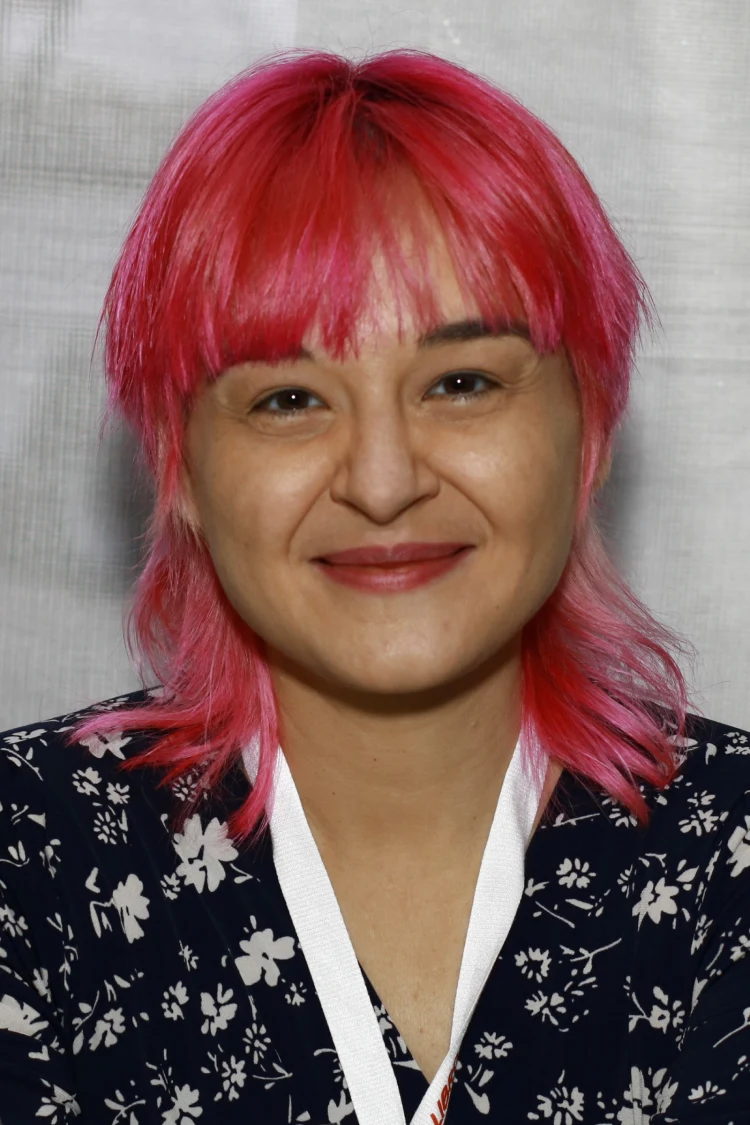
For acclaimed Newbery Honor author Darcie Little Badger, writing has always been about more than telling a compelling story. It is also about making room for young people to see their communities, histories, fears, and hopes reflected on the page. That purpose takes centre stage in Darcie Little Badger’s new book, Children of Owl, a haunting and heartfelt new release that brings family, folklore, grief, and resilience together for young readers.
Set for an October release through Levine Querido, the Children of Owl book marks an exciting new chapter for fans of the acclaimed writer. This forthcoming title, often searched as Children of Owl Darcie Little Badger, offers a fresh blend of emotional storytelling and supernatural tension while remaining deeply connected to the author’s heritage. As anticipation builds around the Children of Owl October release, readers are discovering why this project is already drawing attention among followers of meaningful young adult fiction.
Little Badger grew up in Texas as a passionate reader, but she did not often find stories that reflected her own world. That absence shaped her determination to contribute to Native representation in children’s books and to create stories where Indigenous young people are not pushed to the margins. Her work now stands as a powerful example of Indigenous representation in YA literature, giving readers characters and communities portrayed with imagination, dignity, humor, and complexity.
As a Lipan Apache author, Little Badger draws from the strength of family and the enduring importance of cultural memory. Her approach to Lipan Apache storytelling is not simply about revisiting the past; it is about showing how heritage continues to live in the present, especially for young people finding their place in the world. Through her books, she helps broaden the conversation around Native voices in publishing, proving that culturally rooted stories can be both intensely personal and universally moving.
At the center of Children of Owl is 16-year-old Maisie, whose life is thrown into turmoil after Big Owl’s son warns her that a terrible tragedy is coming for everyone she loves. The threat is uncertain, but the danger feels immediate. Maisie must protect her family while facing a cousin haunted by a ghost, another cousin imprisoned for a crime he did not commit, and a mysterious cat whose true nature remains unclear.
This is not a simple monster story. The novel is shaped by a Big Owl Lipan Apache story, exploring a legendary figure with a significant and complex role in the culture. Little Badger uses this presence to create suspense, but she also explores what it means to confront fear together. That makes the book an especially distinctive entry in Native supernatural fiction, where danger is balanced by family bonds, determination, and the refusal to let despair win.
The story’s unusual format adds another layer to its appeal. Told through first- and third-person narration, letters, diaries, and illustrated sequences by Abigail Rajunov, Children of Owl becomes more than a traditional novel. It is a folklore inspired graphic novel experience with the emotional pull of a YA fantasy graphic novel and the tension readers expect from memorable supernatural YA books.
For teens who enjoy graphic novels for teens but also want layered character journeys, Maisie’s story offers both visual energy and emotional depth. Her search for a time capsule buried with a childhood friend becomes closely tied to her grief, while the looming threat around her family makes every discovery feel urgent. The book’s mix of danger, memory, and family connection makes it a promising choice for readers looking for fantasy books for young readers that carry genuine emotional weight.
Big Owl is particularly important because he is not presented as a one-dimensional villain. His presence reflects the depth of owl folklore in Indigenous stories, while his role as an adversary connects to a wider tradition of Indigenous monster stories in which young people face frightening forces and find ways to outthink, outlast, or overcome them. This thoughtful use of tradition is part of what makes Little Badger’s work stand out within Indigenous heritage fiction and among readers seeking respectful Native American folklore books.
Little Badger’s path to becoming a full-time writer was not straightforward. After being rejected twice from Princeton’s creative-writing programme, she completed a degree in oceanography and later earned a PhD from Texas A&M. Yet storytelling remained her quiet ambition. That persistence eventually led to Elatsoe, making her widely known as the Elatsoe author Darcie Little Badger. The novel’s distinctive mix of mystery, vampires, and a young asexual Lipan Apache protagonist helped it become a breakout title for readers looking for books like Elatsoe.
She later followed that success with A Snake Falls to Earth. As the A Snake Falls to Earth author, Little Badger expanded her imaginative scope through a story that connected a Lipan Apache girl and a cottonmouth snake from the spirit realm. The novel’s recognition as a Newbery Honor helped cement her reputation as a leading voice in Indigenous futurism books. Her return to the world of Elatsoe through the Sheine Lende book further showed how richly her characters and settings can develop across multiple stories.
With its blend of family drama, mystery, folklore, and visual storytelling, Children of Owl deserves attention from readers exploring Indigenous YA fantasy. It also highlights why Indigenous authors for young readers are essential: they offer stories shaped by lived cultural knowledge, rather than outside assumptions.
For anyone wondering why Children of Owl is trending, the answer lies in its emotional heart. This is a story about confronting injustice, carrying grief, protecting family, and still choosing hope. It has the potential to join conversations around the best Native American YA books, most anticipated YA books 2026, and must read Indigenous books. Above all, it promises to be one of the year’s most compelling hopeful YA fantasy books, a reminder that even when darkness feels close, resilience can still lead the way.
Source: “Darcie Little Badger: Heritage and Hope, July 10, 2026.” Read more at PublishersWeekly.com.