Miranda Bailey

Miranda Bailey: Turning Personal Trauma into Purpose

Long before Miranda Bailey became a published author, writing offered her a way to explore ideas, emotions, and experiences. Her earliest recognition of that ability came during a creative-writing class in high school, where she began composing poems and narratives. What started as a classroom experience soon revealed something more enduring: writing could become an important part of her life.

At the time, Miranda knew that she wanted to write, but she had not yet discovered the subject that would eventually shape her first book. That direction emerged later through a painful personal experience that changed both her life and the purpose behind her words.

The Miranda Bailey author journey is not simply a story about completing and publishing a manuscript. It is the story of a developing writer who found a constructive use for her voice after living through emotional trauma. By reflecting on what she had experienced, Miranda began transforming private pain into purposeful storytelling.

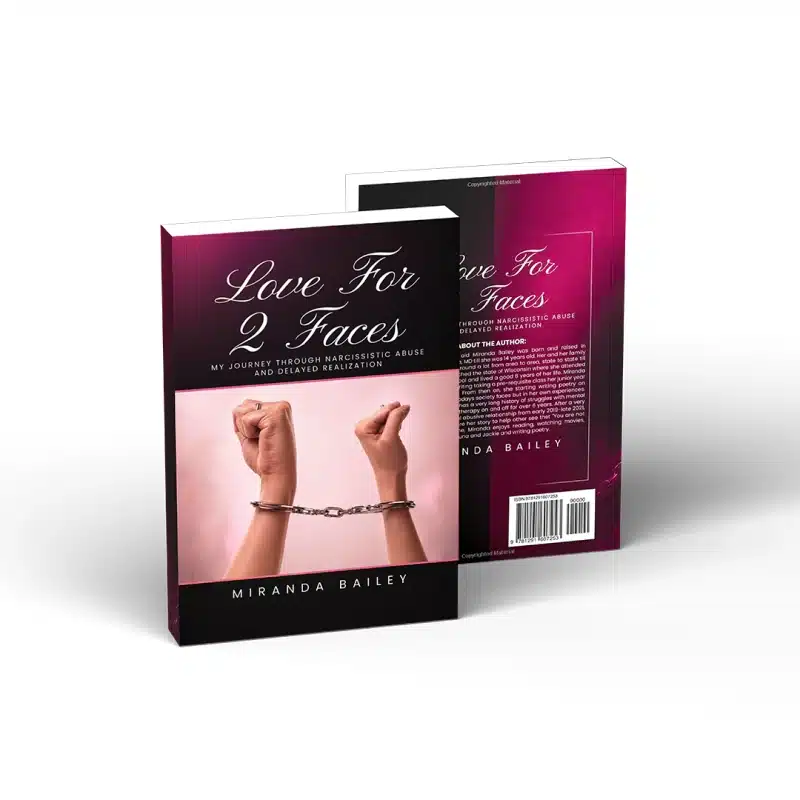
Her first book, Love For 2 Faces, is a true-life memoir informed by that experience. It introduces readers to themes of narcissistic abuse, emotional trauma, independence, resilience, healing, self-discovery, and renewed self-worth. While the memoir occupies an important place in her story, it is also the result of a writing journey that began years earlier, before Miranda knew precisely where her creative voice would lead.

Who Is Miranda Bailey?

Miranda Bailey is a memoir author whose work draws from lived experience. She was born and raised in Baltimore, where she lived until the age of 14. She later lived in Wisconsin and attended high school there. During those high-school years, creative writing began shaping an interest that would eventually become part of her identity.

Rather than beginning with a fully formed plan for a book, Miranda’s development as a writer happened gradually. Poems and narratives allowed her to experiment with language and express ideas through her own perspective. Her early writing also reflected an interest in addressing meaningful social subjects through the lens of personal experience. This connection between the personal and the socially significant would eventually become central to her work.

What distinguishes the Miranda Bailey author journey is the way her subject emerged from life itself. She did not set out with a predetermined topic or a carefully mapped publishing plan. She first discovered that she could write and recognized that she wanted to continue, even though she had not yet found the subject that would define her first book.

That subject came through an abusive relationship Miranda experienced at age 23. The experience eventually gave her writing a more defined and personal purpose. She decided to take the trauma she had endured and turn it into something constructive. That decision became the foundation of Love For 2 Faces and marked her transition from an aspiring writer to a published memoir author.

Miranda’s writing reveals more than the story behind a single book. It shows how personal reflection can help a writer create meaning from difficult experiences. Her work does not claim to represent every person who has encountered abuse. Instead, it presents her own account, her own developing understanding, and her own effort to rebuild a sense of independence and self-worth.

The earliest chapter of the Miranda Bailey author journey began in a high-school creative-writing class. This setting gave her an opportunity to work with poems and narratives while discovering that writing was more than an academic exercise. It was a form through which she could observe, reflect, and communicate.

Writing poetry helped Miranda engage with subjects that mattered to her. Miranda’s early poems explored social subjects through the perspective of her own experiences. This approach placed personal observation at the center of her developing voice. Instead of separating larger subjects from individual experience, she began considering how the two could inform one another.

Narrative writing offered another avenue for that development. It allowed her to think beyond isolated thoughts or impressions and consider how experiences could be shaped into a story. Through these early exercises, Miranda began developing qualities that would later become important to her memoir writing: honesty, reflection, emotional awareness, and attention to the meaning carried by personal events.

There was not yet a specific book in mind. Miranda had recognized her desire to write, but wanting to become a writer and knowing what to write about were two different stages. Her early creative work gave her a foundation, but the defining subject of her first book had not yet entered her life.

That uncertainty is a significant part of Miranda Bailey’s creative-writing story. Many writing journeys do not begin with a complete manuscript concept. They begin with an awareness that certain thoughts, questions, or experiences need to be expressed. For Miranda, poems and narratives created the space in which that awareness could develop. They helped her recognize writing as a meaningful practice before it became connected to publication.

Her early work also established a pattern that would later shape Love For 2 Faces. She was already interested in examining wider subjects through personal experience. When she later experienced abuse and trauma while struggling to establish her independence, writing gave her a foundation through which to reflect on what happened.

The connection between Miranda Bailey and creative writing is therefore essential to understanding her development as an author. The high-school classroom did not provide her with the complete subject of her first memoir, nor did it instantly establish a professional writing career. What it gave her was recognition: the understanding that she possessed a voice and wanted to use it.

That recognition remained with her until lived experience gave her writing a more definite direction. The poems and narratives of her high-school years became the beginning of a path toward personal storytelling, while the challenges she faced later supplied the emotional reason to continue. Together, these stages laid the groundwork for a true-life memoir centered on survival, reflection, and the gradual recovery of self-worth.

Miranda Bailey’s early experience with poems and narratives helped establish the creative foundation she would later bring to memoir writing. These forms gave her room to observe her surroundings, reflect on her emotions, and consider how individual experiences can connect with meaningful social subjects.

Her emerging voice was personal without being directionless. By viewing broader subjects through the perspective of her own experiences, Miranda began developing an approach built on honesty and emotional awareness. Her writing allowed her to notice not only what happened, but also how an experience could influence a person’s understanding of independence, identity, and self-worth.

At this stage of the Miranda Bailey author journey, she had not yet established a professional writing career. She also had no finished plan for a book. What she possessed was the desire to write and a growing awareness of the qualities she wanted to bring to her work. Personal observation, thoughtful reflection, and emotional honesty gradually became part of her developing author voice.

This progression from poems and narratives to writing from lived experience was significant. Personal storytelling asks a writer to look back carefully, identify what matters, and decide how much of a private experience should be shared. For Miranda, that process would eventually require considerable vulnerability. The subject of her first book emerged from a deeply personal and difficult period in her life.

Before Love For 2 Faces, Miranda already understood that she wanted writing to remain part of her life. What she did not know was which experience would give that ambition its direction. That changed when a traumatic relationship confronted her with circumstances she had not previously experienced. Her author journey then moved from creative exploration toward the difficult work of turning personal history into a purposeful written account.

At age 23, Miranda entered a relationship that would change both her life and the direction of her writing. Miranda has described the relationship as abusive and uses the term “narcissistic abuse” to communicate her personal understanding of what she experienced. The memoir remains centered on her personal perspective rather than offering a clinical assessment of anyone involved.

The experience began during Miranda’s attempt to leave a controlling household environment and establish her independence. She was seeking the freedom to shape a life of her own. While trying to build that life with the man she loved, however, she entered circumstances that became painful and traumatic.

Miranda faced forms of abuse she had not previously experienced. As the relationship progressed, she struggled to protect her emotional well-being, identity, and sense of self. This period affected Miranda’s emotional well-being, independence, and understanding of herself.

Leaving the situation did not immediately resolve its emotional consequences. Miranda has described therapy and personal research as parts of her effort to understand what had happened and cope with the trauma she experienced. These steps belonged to her individual process of reflection and recovery. They helped her examine a period of her life that had challenged her independence and sense of self.

As she worked to understand the experience, Miranda also began seeing how writing could give it a constructive purpose. The subject she had once been unable to identify was now deeply personal and emotionally demanding. Writing gave Miranda a way to reflect on the experience and shape her perspective into a personal narrative.

This marked a turning point in the Miranda Bailey author journey. Writing was no longer only an interest discovered in high school or a means of exploring ideas through poems and narratives. It became a way of examining personal trauma, preserving her perspective, and creating meaning from something painful.

Transforming lived experience into a memoir did not erase what happened. Nor did it reduce recovery to a simple or immediate process. Instead, writing allowed Miranda to consider her experience through reflection and to recognize the strength involved in reclaiming her story.

Her decision to write also carried an outward purpose. By presenting a candid account of abuse, emotional trauma, and the effort to rebuild, Miranda hoped her experience might help other people feel less alone. She did not set out to speak for every survivor or prescribe a single path toward recovery. Instead, she chose to tell her own story and share what the experience had taught her about independence, self-discovery, resilience, and self-worth.

That distinction gives her work its focus. Love For 2 Faces grew from one woman’s lived experience and her decision to confront it honestly. The memoir became the point at which Miranda’s early desire to write met the subject that gave her voice a clear purpose.

An intimate journey through love, betrayal, emotional abuse, and the difficult decision to reclaim one’s independence and self-worth.

Love For 2 Faces is Miranda Bailey’s first true-life memoir and the defining result of her decision to write from lived experience. The book cover carries the subtitle My Journey Through Narcissistic Abuse and Delayed Realization, reflecting the personal circumstances and gradual understanding at the center of her story.

At 23, Miranda dreams of creating a life shaped by love, independence, and hope. As she attempts to escape a controlling household and build a future of her own, she falls in love with Kevin. What initially appears to offer the possibility of a new beginning instead draws her into a painful situation in which Kevin remains caught between Miranda and his wife.

Miranda becomes caught in a distressing cycle of passion, broken promises, betrayal, and emotional turmoil. As the relationship continues, the central struggle becomes less about securing Kevin’s love and more about protecting her own emotional well-being and sense of identity.

Although a romantic relationship drives the narrative, Love For 2 Faces is ultimately a true-life memoir about emotional abuse, trauma, resilience, independence, self-discovery, and rebuilding self-worth. The relationship drives the personal narrative, but Miranda’s attempt to understand what happened and reclaim herself gives the memoir its deeper direction.

The book’s discussion of narcissistic abuse is rooted in Miranda’s description of her lived experience. Her perspective is personal rather than clinical, grounded in what she experienced and how it influenced her understanding of love, trust, independence, and personal value.

Writing the memoir allowed her to transform a painful period of her life into something constructive. By sharing her experience candidly, Miranda hopes readers who have questioned their worth within a relationship may feel recognized and less alone. Her story does not prescribe a universal path toward recovery. Instead, it documents her personal movement from emotional turmoil toward greater understanding and renewed strength.

Love For 2 Faces therefore represents more than Miranda Bailey’s first published book. It marks the moment when the creative ability she discovered in high school became connected to a clear and deeply personal purpose. Through the memoir, Miranda presents her experience in her own words and connects it with reflection, resilience, and renewed self-worth.


Completing Love For 2 Faces was an important milestone in the Miranda Bailey memoir journey. Turning a private and emotionally difficult experience into a structured manuscript required her to move beyond the initial desire to write. Completing the memoir transformed Miranda’s private experience into a written account that could be shared with readers.

The displayed print edition of Love For 2 Faces is a 105-page, English-language publication released on July 17, 2026, with The Writers Tree listed as the publisher. Making the memoir available through Amazon transformed Miranda’s years of creative interest and personal reflection into a published achievement. It also gave readers access to a true-life account concerned with emotional abuse, resilience, independence, and rebuilding self-worth.

The memoir received further attention on August 8, 2026, when Business News & Info published its feature, “Memoir Tackles Emotional Abuse and Self-Worth.” The article highlighted the memoir’s engagement with emotional abuse, healthy boundaries, resilience, independence, and the process of recovering a stronger sense of self. The dedicated feature presented the book and its central subjects to the publication’s readers.

Three reader responses shared by Miranda Bailey, offer individual perspectives on the memoir. Juliette Moreau described the book as a “raw and deeply personal story,” drawing attention to the openness of Miranda’s account. Mallory called it “a raw and inspiring memoir,” while a response posted by 12th House Star characterized reading the book as “an incredibly raw and moving experience.”

Each response represents an individual reader’s reaction to Miranda’s story and highlights the emotional honesty and vulnerability readers encountered in the memoir.

Publishing her first memoir, making it available to readers through Amazon, receiving a dedicated Business News & Info feature, and earning encouraging reader responses are meaningful milestones in the Miranda Bailey author journey. Completing and publicly sharing a candid account of a painful lived experience is itself a substantial achievement.

For Miranda, publication gave a public form to the purpose she had discovered through writing. What began as private reflection became a book through which she could share her perspective, preserve her account, and offer readers an honest story about trauma, self-discovery, resilience, and the effort to reclaim personal strength.

Miranda Bailey’s author voice is shaped by honesty, vulnerability, courage, reflection, and resilience. These qualities emerge from her willingness to examine a difficult period of her life without presenting trauma as the entirety of her identity. Her story also concerns the effort to reclaim independence, understand what she experienced, and rebuild her relationship with herself.

Writing from lived experience requires a careful balance between openness and personal agency. In Love For 2 Faces, Miranda shares her individual perspective rather than attempting to define how every survivor experiences abuse or recovery. Her memoir remains grounded in what she lived through, how she came to understand it, and what she learned while moving toward renewed strength.

This focus gives Miranda Bailey’s story of resilience its sense of purpose. Her writing acknowledges emotional pain while also creating space for self-discovery and the gradual restoration of self-worth. By speaking candidly about her own experience, she hopes readers facing difficult circumstances may feel recognized and less alone.

Rather than offering universal answers, Miranda’s work remains centered on personal testimony, emotional honesty, and purposeful reflection. These qualities define the voice she brings to her first published memoir.

America Publishers Welcomes Miranda Bailey

America Publishers Author Spotlight welcomes Miranda Bailey to its featured-author campaign and recognizes her as the America Publishers Lead Spotlight of the Month for September 2026.

Her selection acknowledges the courage involved in shaping a deeply personal experience into a published memoir. From discovering creative writing in high school to completing Love For 2 Faces, the Miranda Bailey author journey demonstrates how a writer’s voice can develop through reflection, persistence, and a willingness to confront difficult truths.

This spotlight also recognizes the purpose behind her work. Miranda chose to turn a painful chapter of her life into a candid account of emotional trauma, resilience, independence, and self-discovery. By sharing that story in her own words, she created a memoir intended to help readers feel seen while preserving the individuality of her experience.

A Writing Journey Built Through Experience

Miranda Bailey’s path to publication began in a high-school creative-writing class, where poems and narratives first helped her recognize her ability and desire to write. At that time, she did not yet know which subject would shape her first book. Years later, lived experience provided both the subject and the reason to use her voice.

The Miranda Bailey author journey ultimately became one of transforming personal trauma into purposeful storytelling. Through Love For 2 Faces, she examined abuse, emotional pain, independence, recovery, self-discovery, and the rebuilding of self-worth from her own perspective.

Publishing the memoir represents the fulfillment of an ambition that began in the classroom and developed through experience. It establishes Miranda Bailey as the published author of her first true-life memoir.

Readers interested in discovering her candid account of lived experience, reflection, and renewed personal strength can explore Love For 2 Faces on Amazon.

Love For 2 Faces | Available Now

🔗 Amazon: Click here

For further updates and upcoming releases follow Miranda Bailey on her social media page.

🔗 Instagram: Click here