Published September 8, 2026 · The Digital Desk, America Publishers
Revisiting Publishers Weekly’s Archived Conversation with Gloria Steinem
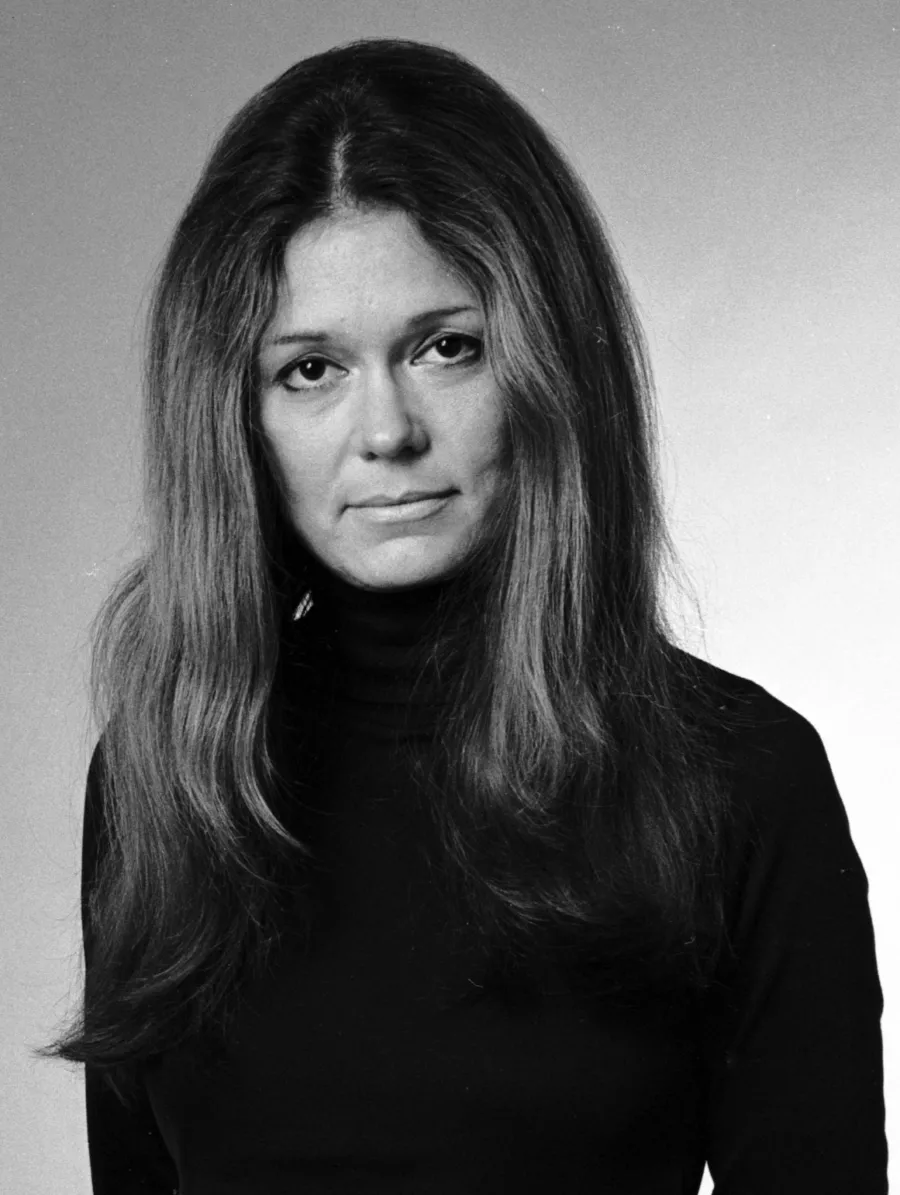
Some author interviews become more interesting with time because they capture a writer at a moment when their ideas, career, and public identity are still taking shape. That is what makes the Gloria Steinem interview in the Publishers Weekly archive worth revisiting. Originally presented as a conversation at the offices of Ms. magazine, the piece offers a close look at Steinem’s writing life, her developing views on feminism, and the experiences that shaped her work. The Gloria Steinem Publishers Weekly conversation is not simply a profile of a well-known public figure; it is a record of a writer reflecting on how journalism gradually became connected to larger questions about women, equality, and social change.
The article, titled PW Talks with Gloria Steinem, introduces Steinem as one of the founders and contributing editors of Ms., as well as its chief fundraiser. At the time of the conversation, she was already described as one of the most visible feminists of her era. Yet the interview also looks backward, tracing the path of a woman who had once simply wanted to write. Steinem recalled that she had always thought she wanted to become a writer but assumed earning a living through writing was almost impossible because she had not seen women working professionally as journalists.
That early uncertainty makes her later career especially revealing. After graduating from Smith College and spending two years in India, Steinem began freelancing for Indian newspapers and writing about the country from an outsider’s perspective. Back in New York, she eventually entered the magazine world, where working alongside Harvey Kurtzman on Help! taught her how to put out a magazine and helped her develop contacts across publishing. An article about contraception for Esquire became a turning point, launching her more firmly into freelance journalism. By the mid-1960s, the Gloria Steinem author story was already becoming inseparable from her development as a journalist and communicator.
Outrageous Acts and Everyday Rebellions: A Record of Change
The interview centers in part on Outrageous Acts and Everyday Rebellions, a collection of more than two dozen essays spanning several decades. Most of the pieces had appeared previously, although many were revised for the collection, while new material included an essay introducing and reflecting on Steinem’s life. The Gloria Steinem Outrageous Acts and Everyday Rebellions discussion therefore reaches beyond a single set of articles; the collection also traces her evolution from an ambitious young journalist into someone whose personal, political, and professional lives had become more closely integrated.
As an Outrageous Acts and Everyday Rebellions book, the collection brings together writing on issues that had become central to feminism while also revealing the experiences behind Steinem’s development. Her Gloria Steinem essays show how journalism could move between observation, personal experience, and wider social questions. That combination gives the collection significance not only as a feminist essay collection, but also as a record of a writer discovering how her work could participate in a much larger conversation.
From Journalism to a Larger Public Voice
The Gloria Steinem journalism career described in the interview was built gradually, through assignments that taught her how to work within the magazine industry while finding her own voice. By the mid-1960s, she was earning her living as a journalist, but many of her early assignments focused on relatively light subjects. Her work began changing as she received more substantial assignments, including pieces about political figures. Her Gloria Steinem writing journey shows how those experiences helped her move beyond simply reporting on the world around her and toward writing about issues that affected women directly.
That transition became especially important in the late 1960s. While working as a contributing editor and political columnist for New York magazine, Steinem felt different parts of her life beginning to come together. After covering an abortion hearing in 1969, she wrote “After Black Power, Women’s Liberation,” a deeply researched piece on reproductive and other feminist issues. The response changed the direction of her work. What had begun as magazine journalism history became increasingly connected to the women’s liberation movement writing that was emerging around her. The article’s reception also encouraged her to move beyond journalism into speaking engagements and greater participation in the movement itself.
Writing, Experience, and Social Change
The interview makes clear that Steinem’s writing developed alongside her changing understanding of the world around her. Her experiences as a journalist gave her opportunities to observe people and institutions closely, while her later feminist work brought personal concerns into a much wider public discussion. In that sense, women’s rights writing was not separate from her journalism; it grew from it. Her work demonstrates how social change through writing can begin when a writer takes an experience that might otherwise remain personal and places it within a broader conversation.
That connection is also part of what gives the interview value as a piece of feminist literature history. Steinem describes a period when she was not yet consciously identifying herself as a feminist, even though she already felt strongly about inequalities she encountered. As her writing became more openly feminist, she found herself confronting resistance from parts of the publishing establishment. The experience pushed her toward both writing and public speaking, showing how author activism and writing can develop together rather than existing as entirely separate pursuits.
A Career That Changed the Conversation
The launch of Ms. became another major turning point. Steinem had initially imagined staying with the magazine for only a couple of years, but she eventually recognized that her work there was no longer temporary. The first issue, published in 1972, quickly sold out its initial 300,000 copies, establishing the magazine as an important platform for feminist ideas. Within that story of publishing, women authors in publishing history can be seen not simply as people producing books and articles, but as participants in creating spaces where ideas can reach a much larger audience.
That is one reason the archive conversation remains useful beyond its original publication moment. Steinem’s comments reveal the personal development behind a public career: an aspiring writer became a journalist, a journalist became increasingly involved in feminist issues, and that involvement eventually connected her writing with a broader movement. Her experience offers a window into the work of powerful women writers and the ways literary voices can enter conversations that extend well beyond publishing itself.
Why This Archive Conversation Matters
The value of revisiting the interview is ultimately found in that progression. It is not simply a collection of memories from a famous writer; it is a record of how professional experience, personal questions, and public concerns can gradually shape a body of work. The conversation also belongs among historical author interviews that allow readers to encounter writers reflecting on their careers in their own words.
For readers interested in books about social movements, the interview offers another perspective: movements are not shaped only by major events, but also by the writers who document, question, and communicate the issues surrounding them. Steinem’s career illustrates the cultural impact of writing and the ability of literary voices for equality to reach audiences through journalism, magazines, books, and public conversation.
Today, readers looking through the archive can therefore approach Steinem’s work not only as part of the history of feminism, but also as part of American literary history and publishing. Her story remains relevant to discussions surrounding influential feminist authors, books about women’s equality, and women’s rights authors because the interview shows how those ideas developed through an actual writing life.
For America Publishers Author Spotlight, revisiting conversations such as this one offers an opportunity to look beyond an author’s biography and toward the relationship between books, writing, and the cultural conversations they enter. In that sense, Steinem’s archived conversation is worth reading as both a publishing document and a reminder of how a writer’s voice can grow into something much larger than the page.
Source: “From the Archives: PW Talks with Gloria Steinem,” by Miriam Berkley, published September 3, 2026. Read more at Publishers Weekly.