


Published on June 24, 2026
A reading slump is something almost every book lover experiences, yet it can feel surprisingly discouraging when it happens. One day, you’re flying through chapters, and the next, you’re rereading the same page, abandoning books halfway through, or avoiding your bookshelf altogether.
It doesn’t necessarily mean you’ve lost your love for reading or outgrown your favorite genres. More often, it’s a temporary response to stress, burnout, changing interests, or simply picking up the wrong book at the wrong time. Even the most dedicated readers go through periods when opening a book feels more like a task than a pleasure.
The good news is that these moments don’t last forever. With a few practical changes and renewed reading motivation, you can rediscover the enjoyment that first made you fall in love with books. This guide explains why a reading slump happens and shares realistic, pressure-free strategies to help you enjoy reading again.
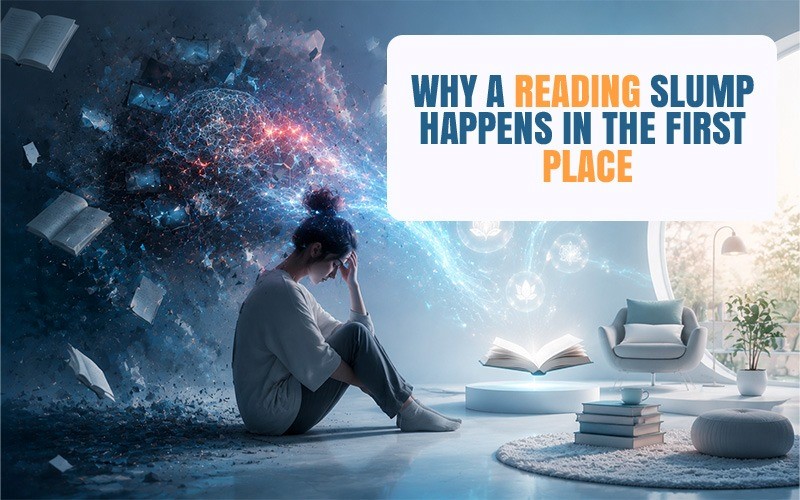
Why a Reading Slump Happens in the First Place
Losing interest in books rarely happens without a reason. While it may feel like you’ve suddenly lost interest in reading, it often has more to do with your lifestyle, mindset, or reading habits than your love for books itself.
One of the most common causes is mental fatigue. After long hours of work, study, or constant screen time, your brain may struggle to focus on a book. Even an engaging story can feel tiring when your attention is already stretched thin.
Another factor is pressure from outside influences. Many readers pick up trending or bestselling books because they feel they “should,” rather than because they’re genuinely interested. Over time, this can quietly reduce enjoyment and make reading feel more like an obligation than a source of entertainment.
Life changes also play a role. Busy schedules, stress, travel, or personal challenges can naturally push reading aside. During these times, it’s common to temporarily stop reading books, even if you plan to return later.
Sometimes the issue is simply lack of variety. Reading several heavy or emotionally intense books in a row can cause burnout, making every new book feel like a commitment instead of a pleasure. Switching genres or choosing lighter reads can help restore reading motivation.
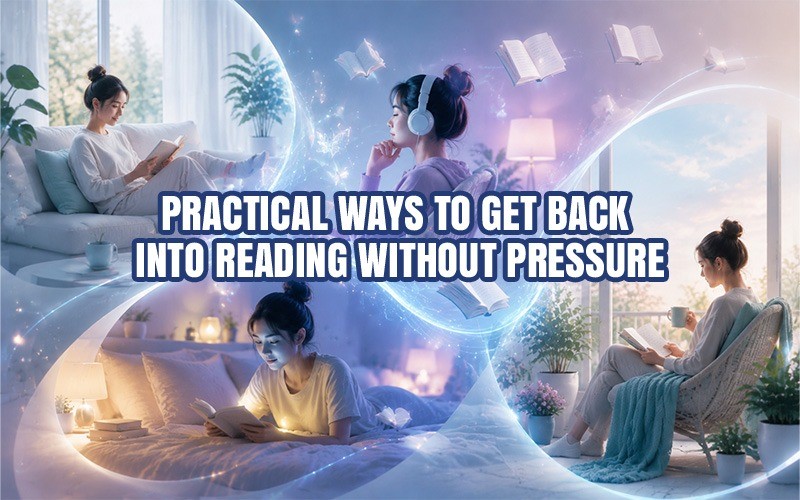
Practical Ways to Get Back into Reading Without Pressure
Once you understand what’s causing your reading slump, the next step is finding an approach that feels enjoyable rather than forced. The goal isn’t to finish as many books as possible, it’s to rebuild a positive relationship with reading at your own pace.
Choose a Book That Matches Your Mood
One of the biggest mistakes readers make is picking up what they feel they should read instead of what they actually want to read. If you’re in a reading slump, allow yourself to switch things up. A lighter book, a new genre, or even a graphic novel can help bring back interest.
Let Go of Books That Aren’t Working
Not every book is meant to be finished. If something feels like a chore, it’s okay to put it down. Forcing your way through it often makes a reading slump worse. Many readers use a simple “fifty-page rule” to decide whether to continue or move on.
Build a Small Reading Habit
When trying to get back into reading, consistency matters more than volume. Start with just 10–15 minutes a day instead of long sessions. A few pages during breaks or before bed can slowly rebuild the habit.
Reduce Everyday Distractions
Phones and constant notifications make it harder to focus. Creating even a short, quiet reading window can help. A calm space, a warm drink, and no distractions can make reading feel easier again.
Revisit Old Favorites
Returning to a book you already love removes pressure. Familiar stories are comforting and can gently pull you out of a reading slump.
Try Different Formats
If physical books aren’t working, try audiobooks or eBooks. Sometimes changing the format is enough to restart your interest.
Most importantly, remember that every reading slump is temporary and different for everyone. Give yourself time and space to enjoy reading again naturally.
How to Keep Your Reading Momentum Going
Recovering from a slump is rewarding, but maintaining that momentum is just as important. Instead of focusing on how many books you finish each month, it helps to pay attention to how much you enjoy the time you spend reading.
One of the easiest ways to maintain reading motivation is by creating a flexible reading list. Include a mix of genres, writing styles, and book lengths so you always have options that match your mood. When reading feels like a choice rather than an obligation, it becomes easier to stay consistent.
It’s also important to avoid comparing your reading habits with others. Social media often highlights reading goals, challenges, and book hauls, but everyone reads at a different pace and for different reasons. Your reading journey doesn’t need to match anyone else’s.
If life gets busy, don’t feel guilty if you temporarily stop reading books. Taking a break doesn’t erase your love for reading, it often makes returning to books feel even more refreshing.
At its core, reading should remain enjoyable rather than pressured. Whether you read a few books a year or several each month, what matters most is finding stories that stay with you long after you’ve finished them.
Frequently Asked Question
-
What is a reading slump?
A reading slump is a period when someone loses interest in reading or finds it difficult to finish books, even if they normally enjoy the activity. It can be caused by stress, burnout, busy schedules, or simply choosing books that don’t match your interests.
-
How long does a reading slump usually last?
There isn’t a fixed timeline. A reading slump may last a few days, several weeks, or even a few months depending on what’s causing it. Giving yourself time and avoiding unnecessary pressure often helps shorten the experience.
-
Is it okay to stop reading books for a while?
Yes. Many readers temporarily stop reading books when life becomes busy or emotionally demanding. Taking a break doesn’t mean you’ve lost your love for reading, it simply means your priorities have shifted for the moment.
-
What’s the best way to get back into reading?
The best way to get back into reading is to start small. Choose a book that genuinely interests you, read for a few minutes each day, and don’t be afraid to set aside books you’re not enjoying.
-
How can I improve my reading motivation?
Improving reading motivation starts with making reading enjoyable rather than treating it as a task. Pick books that match your current interests, minimize distractions, and remember that reading for pleasure is more important than reaching a specific goal.
Conclusion
Every reading slump feels frustrating while you’re in it, but it doesn’t have to define your reading life. Most slumps are temporary, and with a little patience, the right book, and realistic expectations, it’s possible to rediscover the excitement that made reading enjoyable in the first place.
Rather than forcing yourself to read more, focus on reading what genuinely interests you. Small changes, like exploring a new genre, trying a different format, or setting aside books that aren’t working, can make a bigger difference than pushing through out of obligation.
Platforms like America Publishers Author Spotlight often highlight the full reading journey, from finding unforgettable books to working through periods when reading slows down. The idea is simple: every page you read helps rebuild reading motivation and makes it easier to get back into reading over time.
