Published June 29, 2026 · The Digital Desk, America Publishers
Min Jin Lee Returns With American Hagwon: A Powerful New Chapter in Her Literary Journey
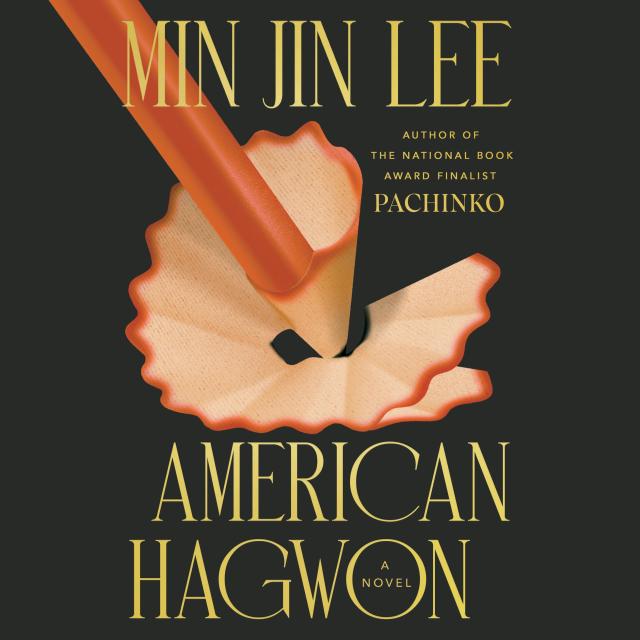
Readers of literary fiction have another compelling release to anticipate as American Hagwon by Min Jin Lee begins generating excitement across the publishing world. Following recent insights into the acclaimed writer’s creative process, the announcement of her latest work has sparked conversations among critics and devoted readers alike. As Min Jin Lee new novel moves closer to publication, many are exploring why American Hagwon is trending within literary circles and book communities. The project has quickly become one of the most anticipated books 2026 has to offer, while readers continue following updates on upcoming novels by Min Jin Lee with growing anticipation.
For readers discovering her work for the first time, this Min Jin Lee author profile represents the story of a writer whose novels have consistently examined identity, belonging, and cultural transformation through deeply human storytelling. Widely recognized as a National Book Award finalist author, Lee has earned international acclaim for creating emotionally resonant narratives that bridge history with contemporary life.
Long before reaching worldwide recognition, she established herself as the Free Food for Millionaires author, introducing readers to complex characters navigating ambition, family expectations, and social mobility. Her global reputation expanded even further through Min Jin Lee Pachinko, a novel celebrated for its sweeping historical scope and unforgettable characters. With Pachinko author new book now on the horizon, expectations remain exceptionally high for another thoughtful exploration of culture, identity, and resilience.
At the center of Lee’s latest project is Min Jin Lee American Hagwon, a story that explores the demanding academic environment shaping countless young lives in modern Korea. Rather than presenting education simply as a backdrop, the novel examines how ambition, opportunity, and societal expectations intersect inside the country’s highly competitive learning culture.
Described as a powerful hagwon novel, the story introduces readers to the world of Korean hagwon culture, where private academies often become an extension of everyday life for students pursuing academic excellence. Against the backdrop of the South Korean education system, Lee explores the emotional and social realities surrounding a cram school fiction narrative that reaches far beyond the classroom.
The novel also raises important questions about competitive education in Korea, highlighting the pressures experienced by students and families striving for success. Through its literary lens, the story examines themes associated with education anxiety novel narratives while reflecting on broader conversations surrounding education and social mobility books, making the work especially relevant in today’s discussions about opportunity, achievement, and personal identity.
With this latest release, Lee continues expanding her ambitious Min Jin Lee Diaspora Quartet, a literary project examining the experiences of Korean communities across generations and continents. Rather than focusing on a single historical moment, the series explores the evolving realities of Korean diaspora fiction, offering readers an intimate perspective on migration, identity, and belonging.
The novel also reinforces Lee’s place within Korean American literature, building stories that resonate with readers interested in cross-cultural experiences and social change. While rooted in Korean history and society, the themes extend beyond national borders, making it an important contribution to Korean immigrant fiction. Readers searching for books about Korean American life will likely find another compelling addition to Lee’s growing body of work.
Critics have also noted how the novel reflects the strengths of contemporary Korean fiction, while appealing to audiences who appreciate modern immigrant novels that blend personal stories with broader cultural conversations.
Beyond its educational setting, the novel appears to explore the emotional complexities found within a Korean family drama novel, where ambition often intersects with love, sacrifice, and responsibility. Lee has long demonstrated an ability to portray the relationships that shape individual identity, and this work continues that tradition through deeply layered characters.
Its narrative also embraces the traditions of multigenerational Korean fiction, illustrating how one generation’s choices influence the next. The story speaks to readers interested in books about family pressure, revealing the emotional costs of pursuing success in environments defined by constant expectation.
These themes naturally connect with immigrant family literary fiction, where cultural values and personal aspirations frequently collide. At the same time, the novel invites reflection on capitalism in fiction, illustrating how economic systems can influence opportunity, education, and personal ambition.
Questions surrounding inequality in literary fiction also emerge throughout the narrative, alongside thoughtful observations about class pressure in fiction, giving the story relevance far beyond its immediate setting.
Although publication is still ahead, early discussions suggest American Hagwon could become one of the standout literary fiction books 2026 readers will be talking about. With its emotionally rich storytelling and timely subject matter, many expect it to join the list of the best literary novels 2026 upon release.
Its exploration of education, identity, and opportunity firmly places the novel within the tradition of social realist fiction, while its historical backdrop may resonate with readers interested in an Asian financial crisis novel. Fans looking for books like Pachinko will undoubtedly be eager to discover how Lee approaches another sweeping narrative centered on family, resilience, and social change.
As anticipation continues to grow, American Hagwon is already generating attention among readers searching for the best Korean American novels and those building collections of must read immigrant family novels. If early expectations prove accurate, Min Jin Lee’s latest work may become one of the defining literary conversations of the coming year.
Source: “Min Jin Lee’s School of Hard Knocks,” by Elaine Szewczyk, June 26, 2026. Read more at PublishersWeekly.com.