
Published October 20, 2026 · The Digital Desk, America Publishers
What happens when the life everyone calls perfect leaves little room for the person living it?
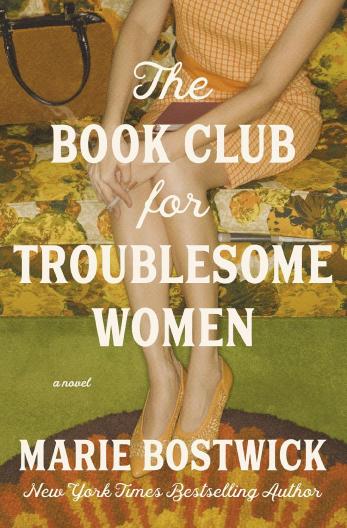
That question sits at the heart of The Book Club for Troublesome Women, Marie Bostwick’s historical novel about four suburban women whose reading group opens a conversation about everything they have been encouraged to accept. Marriage, motherhood, reputation, and personal ambition come into focus as they begin asking what fulfillment might mean on their own terms.
For readers interested in historical fiction about women, the premise offers an inviting tension: a comfortable life can hold affection, security, and disappointment at the same time. Recognizing that complexity is where this story begins.
Marie Bostwick’s Novel and Its Bestseller Recognition
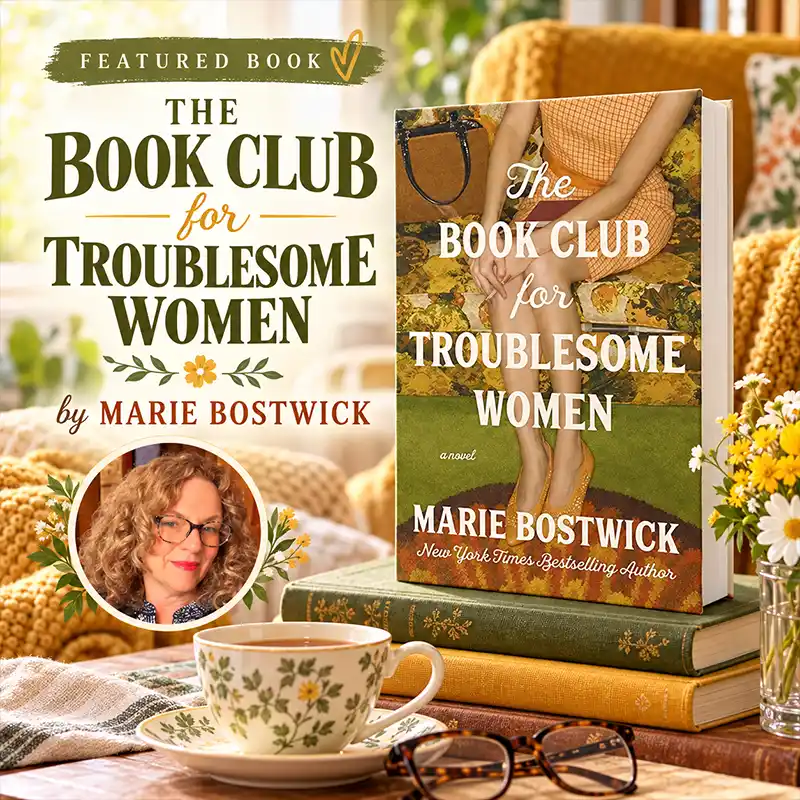
Published by Harper Muse on April 22, 2025, The Book Club for Troublesome Women: A Novel comes from a New York Times and USA TODAY bestselling author whose work spans more than twenty books of contemporary and historical fiction. The publisher identifies the novel as a USA TODAY and Southern Indie bestseller, alongside several book club selections.
Amazon’s listing displays a #1 Best Seller badge in Suburban Fiction; category rankings are subject to change. Those distinctions offer an introduction. The more interesting reason to explore the novel lies in its questions about women’s identity and personal fulfillment—and the friendships that make difficult questions easier to ask.
Behind the Appearance of Having Everything
Margaret Ryan lives in Concordia, a Northern Virginia suburb, with her husband and three children. Her circumstances appear to fulfill an approved version of success, yet she feels something is missing. When intriguing newcomer Charlotte Gustafson arrives, Margaret organizes a book club as an opportunity to know her. Neighbors Bitsy and Viv join them, and their reading of The Feminine Mystique becomes a catalyst for more searching conversations.
This starting point gives the story its emotional stakes. How do you explain dissatisfaction when the people around you see only reasons for gratitude?
The question need not imply rejection of family or domestic life. Someone can value those commitments while wanting intellectual challenge, recognition, creative expression, or greater influence over everyday decisions. Margaret’s situation invites readers to consider whether appreciation for an existing life can coexist with a wish to expand it.
Four Women, Different Paths to Fulfillment
Margaret, Charlotte, Bitsy, and Viv form the group they nickname the Bettys, after Betty Friedan. Bostwick describes them as different personalities with distinct desires and obstacles. In an interview excerpt on her website, she explains that their differences support a central concern: allowing women to pursue their own versions of happiness.
Margaret’s decision to initiate the club makes her an accessible entry point into that concern. A social invitation becomes an opportunity to examine assumptions she has lived with.
Charlotte’s arrival introduces a different presence into Margaret’s familiar surroundings. Her role in the premise raises an intriguing possibility: meeting someone who approaches life differently can reveal how much of our own behavior has become habitual.
Bitsy and Viv broaden the conversation beyond Margaret’s initial uncertainty. Their inclusion matters because a friendship group can contain shared frustrations without producing identical ambitions.
Together, the four women offer a useful lens for thinking about female friendship and sisterhood in literature. Solidarity becomes more meaningful when it leaves room for disagreement, different priorities, and individual choices.
The Feminine Mystique and Women’s Roles in 1960s America
The choice of The Feminine Mystique by Betty Friedan gives the club a specific historical foundation. Published in 1963, Friedan’s book challenged restrictive expectations surrounding women’s lives and contributed to the growth of American feminist activism.
That history also needs perspective. Discussions of women’s rights and social change in the 1960s involved differences of race, class, employment, and opportunity. The National Women’s History Museum documents tensions within the movement over whose needs received attention. A suburban household’s concerns cannot stand for every woman’s experience.
For this novel, the historical setting creates a frame for examining social expectations. Readers can consider how an apparently ordinary conversation about a book might unsettle beliefs about marriage, motherhood, and acceptable ambition.
Historical novels about suburban American life become especially interesting when readers ask who benefits from a community’s standards—and who feels pressure to remain silent.
Why Books and Meaningful Conversations Matter
A book club gives its members a subject to discuss before they are ready to discuss themselves.
An opinion about a passage can become a question about a relationship. Disagreement with an argument can expose an assumption that once felt unquestionable. Reading together creates opportunities to compare perspectives without requiring everyone to begin with a personal confession.
This makes the premise appealing to readers who enjoy novels about book clubs and stories about the power of books and reading. Literature supplies language and competing ideas; the participants must decide what those ideas mean in their own circumstances.
There is also a demanding side to meaningful conversation. Listening requires patience when someone’s choices differ from yours. Support may involve asking a difficult question or admitting that familiar advice does not fit another person’s life.
Seen this way, the club offers a setting for critical thinking as well as companionship.
Women’s Independence, Family, and Individual Choice
Women’s independence in historical fiction is often discussed through visible changes: employment, education, money, or public recognition. An equally useful question concerns who gets to define a worthwhile life.
Independence can include making informed choices, expressing disagreement, developing an interest, and participating meaningfully in decisions that affect a household. It can also include choosing domestic commitments because they are personally valued.
The distinction is whether a person has room to choose.
For readers considering marriage and motherhood in historical fiction, this creates a richer discussion than judging every character against one preferred outcome. A career does not automatically resolve dissatisfaction, and family responsibilities do not erase individuality.
The novel’s premise invites reflection on how personal growth and shared commitments might coexist. Respectful relationships require room for both people’s aspirations to be heard.
What Male Readers Can Take From the Story
A novel centered on women’s lives offers male readers an opportunity to consider experiences beyond their own.
One possible question is whether someone close to us feels understood as an individual. Knowing a partner’s responsibilities does not necessarily mean knowing their ambitions, disappointments, or changing interests.
Another concerns how families make decisions. Whose time is treated as flexible? Who receives encouragement to pursue an opportunity? Are established arrangements still working for everyone involved?
They also apply across genders. Empathy depends on allowing another person to describe their experience without deciding in advance how they ought to feel.
Why Contemporary Readers May Recognize These Questions
Readers seeking women’s self-discovery novels may recognize the distance between appearing successful and feeling personally fulfilled.
That recognition will vary. Financial security, cultural expectations, caregiving, health, and access to opportunity all shape the choices available to someone. Four fictional women in one American suburb cannot represent women around the world.
Still, the questions can travel beyond the setting. How much of a life reflects deliberate choice? Which ambitions have been postponed? Can friends offer support without prescribing the same answer for everyone?
For readers exploring Marie Bostwick books, this novel’s premise brings those questions into a story of friendship. It also gives reading groups material for discussing societal expectations of women, personal responsibility, and the meaning of support.
A Conversation Worth Following
The opening question remains: what happens when an admired life leaves important parts of a person unexplored?
The Book Club for Troublesome Women invites readers to follow four women as reading and friendship give that uncertainty a place to be expressed. Their complete journeys belong to the novel, including the tensions and choices a short summary cannot capture.
For anyone drawn to books about female friendship and personal growth, the invitation is compelling: meet Margaret, Charlotte, Bitsy, and Viv, then consider which conversations their story might begin in your own reading group.
Sometimes the question worth carrying away from a book is simply this: have we given one another enough room to say what we want from our lives?
🔗 For Amazon: Click here
🔗 For Marie Bostwick’s Website: Click here
Source: “The Book Club for Troublesome Women, published April 22, 2025.” Read more at HarperCollins Focus.