Velma Childs Bell

Featured Voice of the Week – Velma Childs Bell

Velma Childs Bell: An Educator’s Lifelong Commitment to Helping Children Read

A child looking at a page of unfamiliar words may see a challenge. A thoughtful teacher sees a learner who deserves time, encouragement, and the right kind of support. That difference in perspective has shaped the professional life of Velma Childs Bell, an Atlanta-born educator whose work has long centered on helping students find their way forward.

After more than four decades in education, Bell has carried her commitment to children beyond the classroom and into publishing. Now retired from Atlanta Public Schools, she writes with the conviction that learning to read can change how young people see themselves and the world around them. Her children’s book, Teacher, Teacher! I Want to Learn to Read, brings that conviction to life through a story rooted in real experience.

For Mrs. Bell, the aim is clear: give parents and educators another reason to help children develop a lasting love of reading.
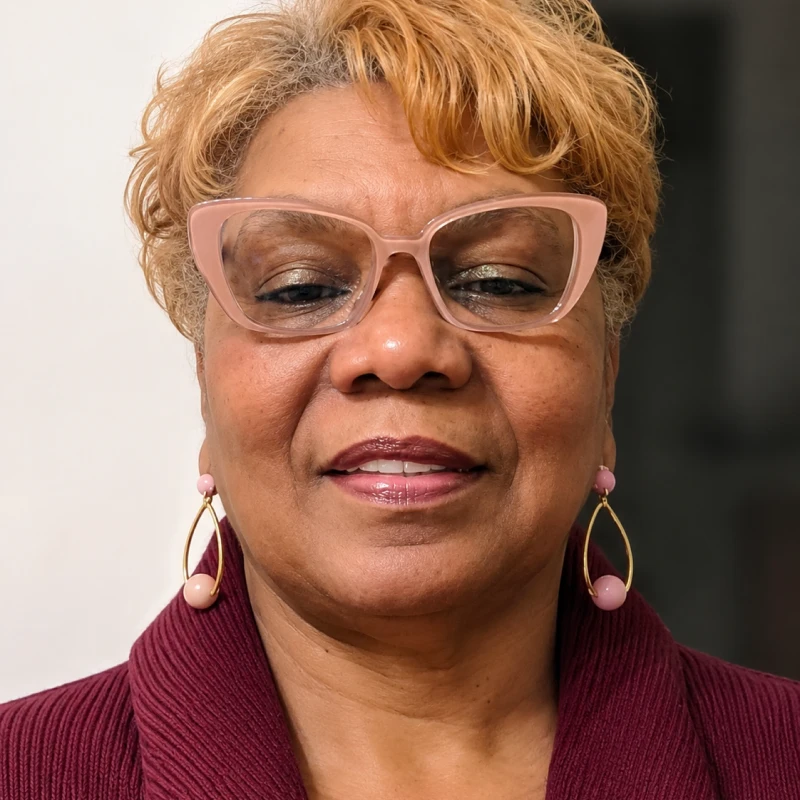
Author Velma Childs Bell, writer of Teacher, Teacher! I Want to Learn to Read, wearing pink glasses and a burgundy sweater in a close-up portrait.

A Career Built Around the Needs of Learners

Bell’s professional journey began in her hometown of Atlanta, Georgia. She earned a Bachelor of Science in Elementary Education, with a minor in Special Education, from Morris Brown College in 1976. A year later, she completed a master’s degree in Learning Disability at Atlanta University, now known as Clark Atlanta University.

Her education did not end there. In 1996, she received a T-6 specialist degree in Inter-related/Learning Disability from Clark Atlanta University. She also holds a Reading Endorsement


certificate. Together, those credentials reflect a sustained interest in how children learn and the different kinds of instruction and encouragement they may need.

During her career in the Atlanta Public Schools system, Bell worked within a profession where progress rarely looks the same for every student. Some children grasp new material quickly. Others need more time, a different explanation, or the reassurance that difficulty does not mean defeat. Her work and writing emphasize the importance of meeting learners with patience rather than allowing a struggle to define their potential.

On her website, Velma Childs Bell describes having well over 40 years of experience in education and says she has repeatedly witnessed what can happen when children receive the resources and support they need. It is a perspective grounded in a long career rather than a passing interest in literacy.

Why Encouragement Matters in Learning to Read

Reading is often discussed in terms of skills: recognizing letters, connecting sounds, understanding sentences, and making sense of stories. Those skills matter, and they require effective instruction and practice. Yet the emotional side of learning matters, too. A child who feels embarrassed by a mistake may become reluctant to try again; one who feels supported may be more willing to keep going.

Bell’s educational message speaks directly to the adults who shape those experiences. Teachers make countless decisions about how to explain a lesson, respond to uncertainty, and recognize progress. Parents can help create room for books and conversation outside school, even when time is limited.

Neither role requires turning every shared story into a test. Sometimes the most useful contribution is simple attention: listening to a child read, answering a question, celebrating a new word, or allowing a young reader to choose a book that interests them.

Bell wants families and educators to see reading as something children can approach with curiosity, not only as a task they must complete. That outlook also explains why she has made the subject central to her work as an author.

From Teaching Experience to the Written Page

Before publishing her children’s story, Bell wrote Roll Up Your Sleeves, Get to Work…Teach the Children. Drawing on her teaching background, the book addresses the demands of the profession and encourages educators to seek thoughtful, innovative approaches that serve their students.

Her second published work, Teacher, Teacher! I Want to Learn to Read, speaks to a related concern from a different direction. Rather than addressing teachers primarily as professionals, it invites

children into a colorful, imaginative story about the possibilities of reading. The book is based on a true story and follows a journey led by Mrs. Magical Bell, a character who brings a sense of possibility to the learning experience.

The move from a teacher-focused book to a children’s book reveals a consistent interest in the relationship between those who teach and those who are learning. Adults need encouragement and useful ideas; children need opportunities to feel engaged and capable. Bell’s two books approach those needs from different sides of the same classroom.

Her children’s title is not presented as a replacement for reading instruction. Its value lies in the invitation it offers: imagine what can happen when a child begins to believe that books hold something worth discovering.

A Message for Parents and Educators Beyond the Classroom

Mrs. Bell has been direct about what she hopes her children’s book will accomplish. She wants it to inspire greater attention to literacy and serve as a resource that encourages parents and educators to help children fall in love with reading.

That mission is especially relevant because a child’s relationship with books is shaped in more than one setting. In school, a teacher may introduce a new reading strategy or make space for questions. At home, a parent or caregiver may read aloud, talk about a character, or return to a favorite passage. These experiences are different, but they can reinforce a shared message: reading belongs in a child’s life.

Velma Childs Bell’s emphasis on imagination also matters. A story can offer young readers a reason to wonder what happens next. Illustrations can provide another way to engage with the material, especially when children are still developing confidence with text. The pleasure of noticing a detail or asking a question can become part of the reading experience itself.

There is no single moment that guarantees a lifelong reader. Interest develops over time, shaped by access, instruction, practice, and encouragement. Bell’s message is an appeal to the adults who can make those conditions more welcoming.

Continuing the Work Through Books and Conversation

Retirement from the school system has not ended Bell’s involvement in education. Her website presents her continuing work as an author, advocate, and speaker, with an interest in supporting teachers, parents, and students through books and community engagement.

That continued presence is significant. Much of what educators learn comes from years of responding to real children with different strengths and needs. Publishing gives Bell another way to

share the concerns that have shaped her career and to invite discussion about how children can be better supported.

Author Velma Childs Bell, writer of Teacher, Teacher! I Want to Learn to Read, wearing pink glasses and a burgundy sweater in a close-up portrait.

For readers encountering her work for the first time, Teacher, Teacher! I Want to Learn to Read offers an introduction to the purpose behind it. For teachers and parents, Bell’s larger story may also prompt a familiar question: What can I do today to help a child feel more willing to open a book tomorrow?

The answer may begin with an ordinary moment of patience, interest, or shared reading. Bell has devoted her career to the belief that those moments deserve attention.

Explore more about Velma Childs Bell, her educational journey, and Teacher, Teacher! I Want to Learn to Read at velmachildsbell.com.