Featured Voice of the Week: Velma Childs Bell

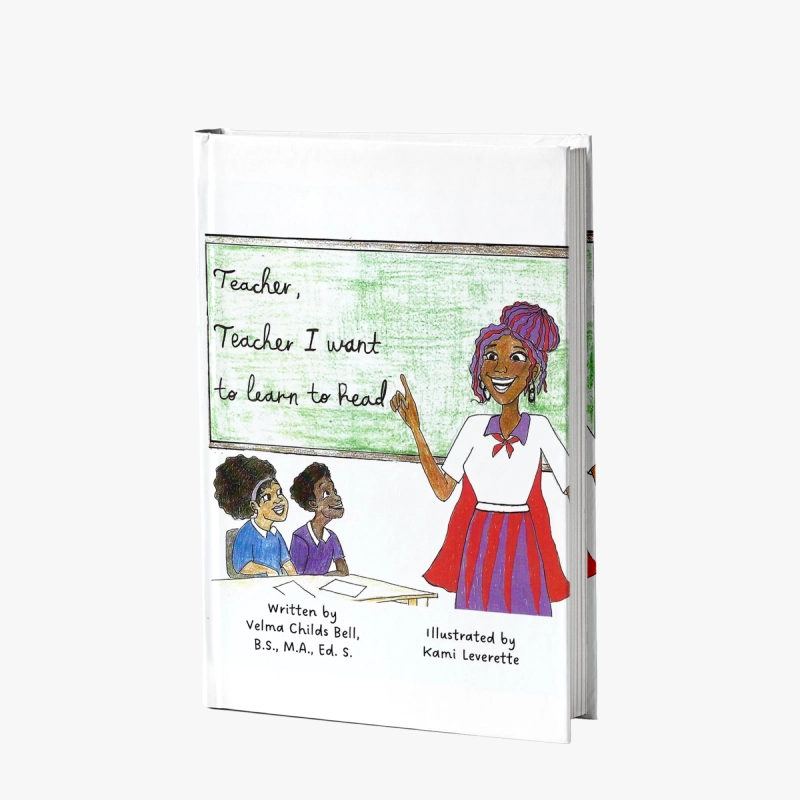
Teacher, Teacher! I Want to Learn to Read by Velma Childs Bell, featuring an illustrated teacher and two children in a classroom, promoting early literacy and learning to read.

There is something remarkable about a child who wants to learn to read. Behind that simple desire lies a world of possibilities: stories waiting to be discovered, questions waiting to be answered, and ideas that may one day shape how that child understands the world.

But the journey toward reading is not always easy. For some children, recognizing words and understanding sentences comes with frustration, uncertainty, and moments of self-doubt. What often makes a difference is having someone who recognizes their effort and encourages them to keep trying.

That belief lies at the heart of Teacher, Teacher! I Want to Learn to Read, a beautifully illustrated children’s book by educator and author Velma Childs Bell.

Inspired by a true story, the book introduces young readers to an imaginative journey led by Mrs. Magical Bell. Through its emphasis on curiosity, encouragement, and discovery, the story invites children to consider what reading can make possible.

Featured as part of Author Spotlight by America Publishers’ Voice of the Week, Bell’s work brings attention to a message worth sharing with families and classrooms: every child deserves an opportunity to discover the joy of reading.
Teacher, Teacher! I Want to Learn to Read: Where the Journey Begins

The title itself captures a desire many educators and parents have heard from young learners: the wish to understand the words that fill books, classrooms, and everyday life.

Teacher, Teacher! I Want to Learn to Read is Bell’s second published literary work. Described on her official website as a story based on real events, it encourages children to use their imagination and recognize reading as a path toward knowledge and discovery.

At the center of the book is Mrs. Magical Bell, who leads readers on what the author describes as a fantastic voyage. The story’s imaginative approach gives children a way to think about reading beyond worksheets, assignments, and the pressure to get every word right.

Its central invitation is particularly meaningful for young learners who may have encountered difficulties with reading. Rather than allowing those challenges to dominate the experience, the book offers a hopeful perspective on what learning can become.

It is an idea that speaks to children, but its importance reaches the adults responsible for supporting them.

Meet Mrs. Magical Bell: Bringing Imagination into Reading

A memorable character can change how a young reader approaches a story. Mrs. Magical Bell gives this book a distinctive identity, bringing a sense of imagination to a subject that can sometimes feel intimidating.

The character’s presence creates room for an important idea: learning can involve discovery, excitement, and the freedom to wonder.

Children often respond to stories that allow them to picture new possibilities. An imaginative teacher figure offers opportunities to talk about guidance, encouragement, and the people who help children develop confidence in their abilities.

For parents and educators reading the book with children, Mrs. Magical Bell can also become a starting point for conversation. What makes a teacher encouraging? Why is it important to keep trying when something feels difficult? What would a child most like to discover through reading?

Such questions extend the reading experience beyond simply reaching the final page.

A True-Story Inspiration with an Imaginative Heart

One of the distinguishing aspects of Teacher, Teacher! I Want to Learn to Read is its foundation in a true story.

Bell’s background as a longtime educator gives additional context to her interest in children’s reading experiences. Having spent more than four decades in education, she understands that learners bring different strengths, needs, and expectations into the classroom.

The book’s combination of real-life inspiration and imaginative storytelling allows its educational message to reach readers through a creative format.

A child does not need to understand every professional challenge involved in teaching literacy to appreciate a story about wanting to read. That desire is accessible and deeply human.

For adults, however, the book can prompt reflection on the importance of listening when a child expresses an interest in learning. It is a reminder that children’s questions and ambitions deserve attention, particularly when their progress requires additional patience and support.

How Illustrations Invite Children into the Story

The visual presentation of a children’s book often creates the first connection between the reader and the story.

Illustrated by Kami Leverette, Teacher, Teacher! I Want to Learn to Read features colorful artwork that brings its classroom setting and characters into view.

The book’s cover, showing Mrs. Magical Bell alongside young students, immediately introduces the relationship between learning, guidance, and curiosity.

For children who are still developing their reading skills, illustrations can provide another way to engage with a story. They invite readers to notice expressions, observe details, make predictions, and connect visual information with the words being read aloud.

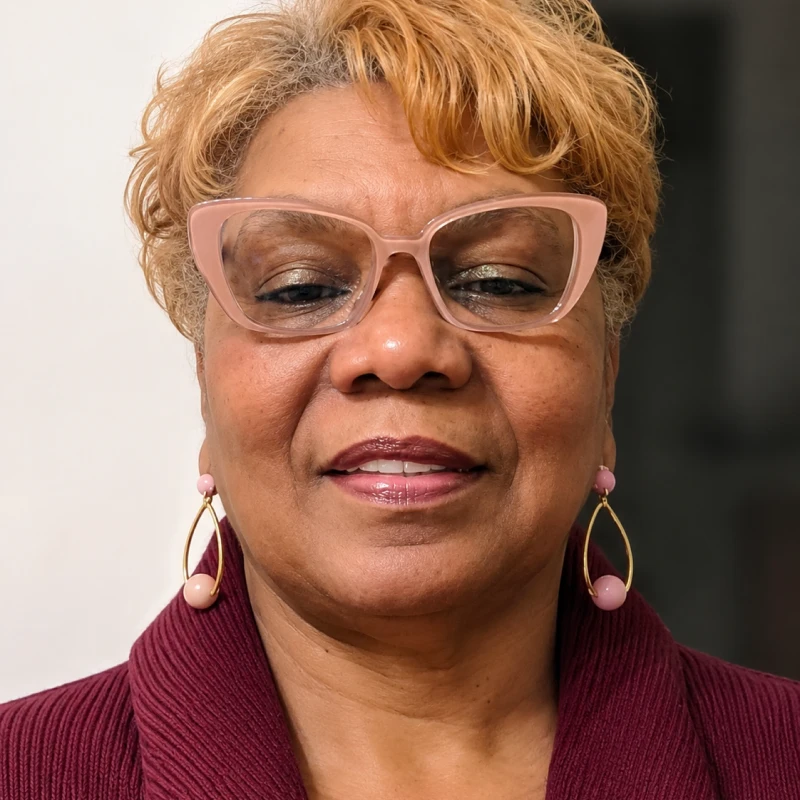
Author Velma Childs Bell, writer of Teacher, Teacher! I Want to Learn to Read, wearing pink glasses and a burgundy sweater in a close-up portrait.

A parent might encourage a child to describe what is happening in a picture. A teacher might ask students what they notice about the characters or what questions the artwork raises.

These small conversations can make shared reading more interactive and enjoyable, allowing children to participate even when they are not yet ready to read every sentence independently.

Visit the Official Author Website: Click Here